
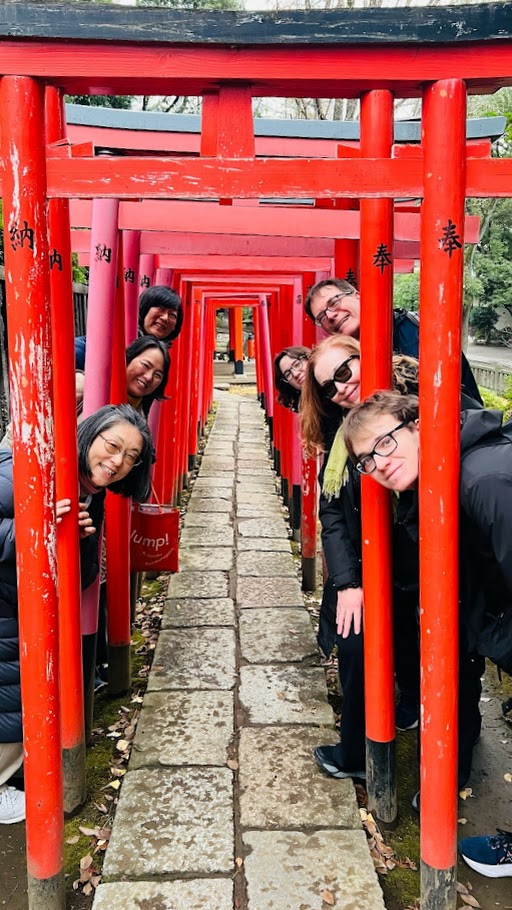
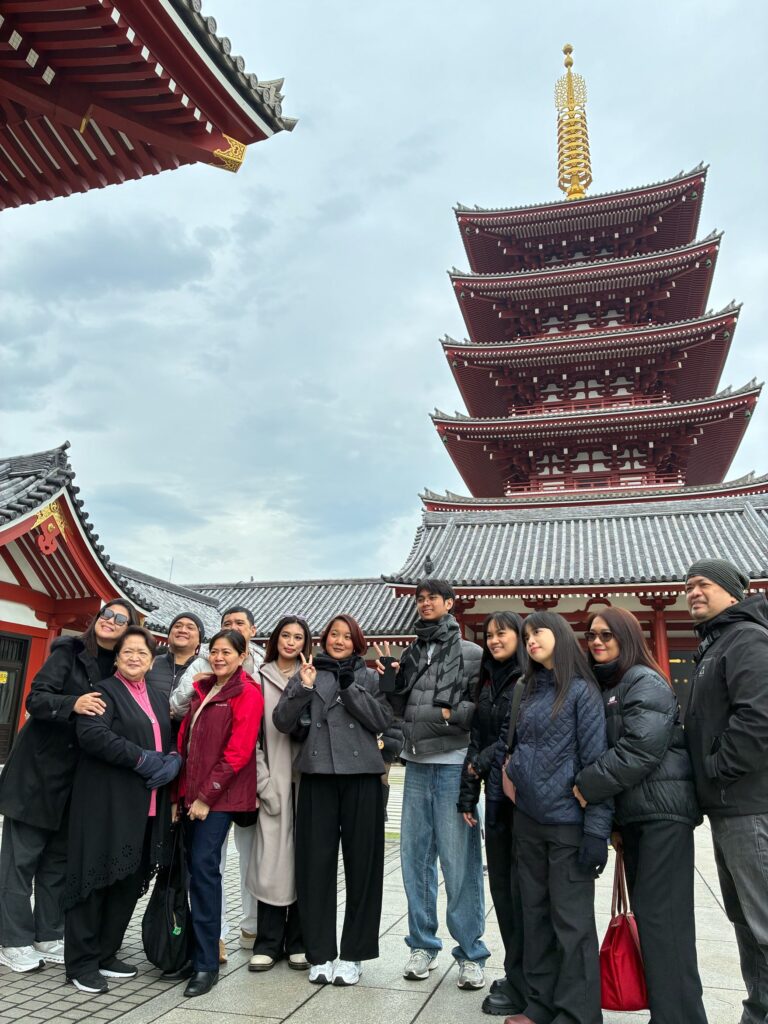
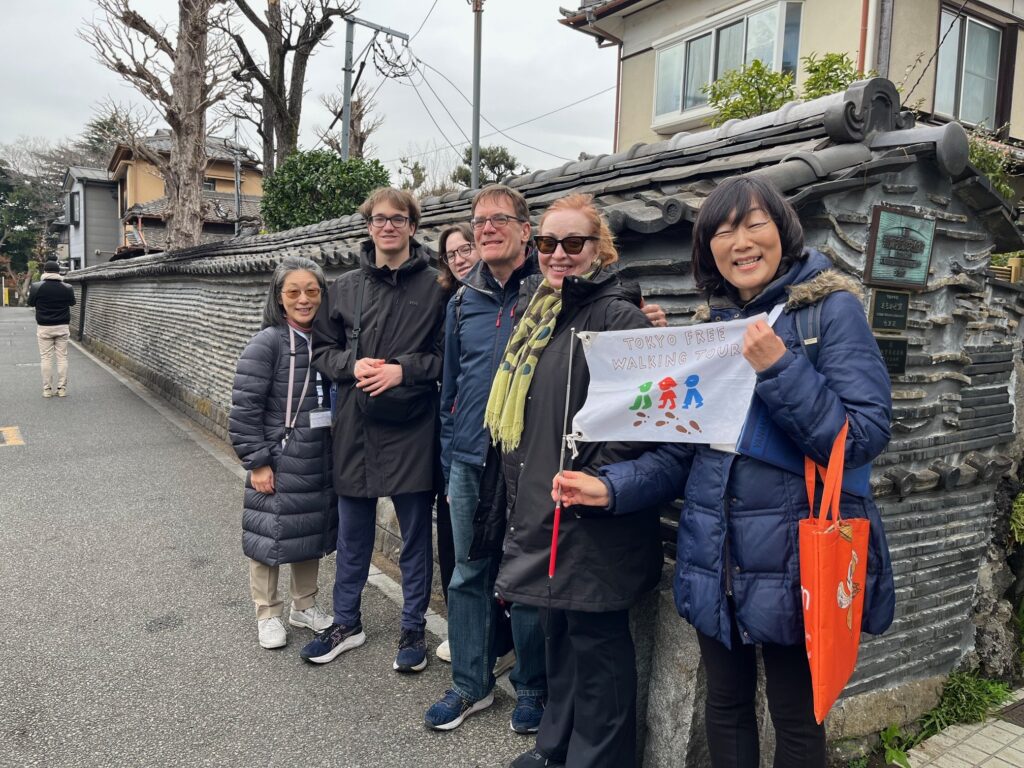
Thank you very much for joining our Tokyo Free Walking Tour in Asakusa and Yanaka/Nezu on December 25, 2025. We were delighted to welcome 22 wonderful guests from the Philippines, Canada, and Singapore. It was truly a pleasure to spend time with you, sharing lively conversations while exploring the history and charm of Asakusa and Yanaka/Nezu together. We sincerely hope that each of you found something memorable along the way.
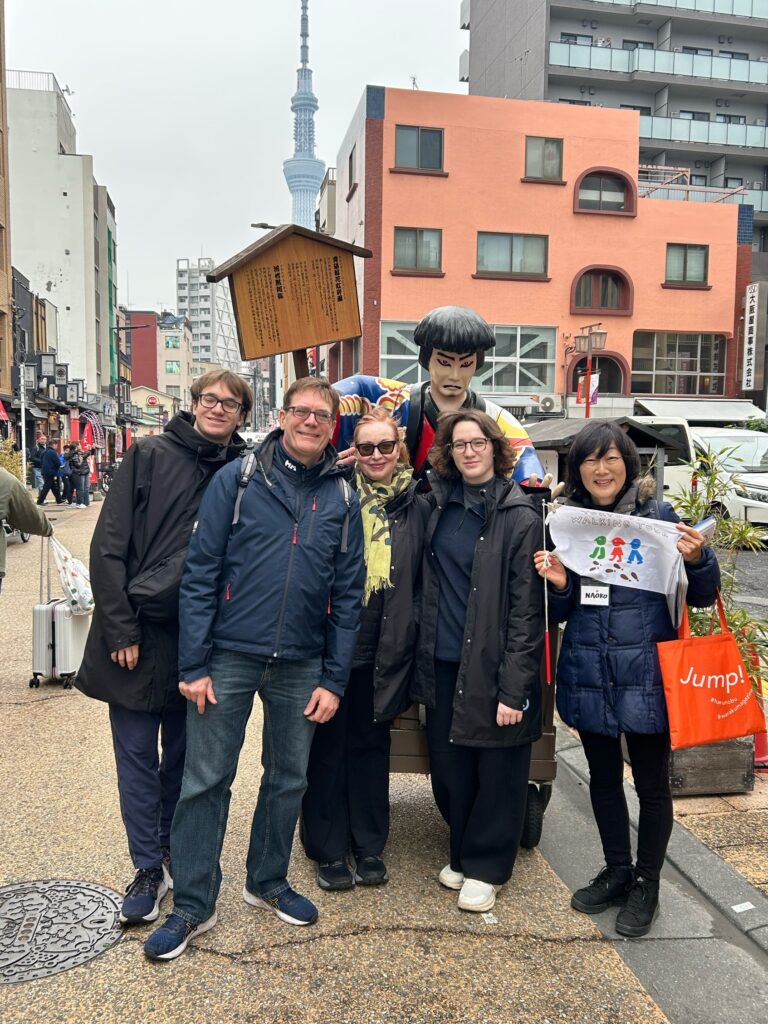
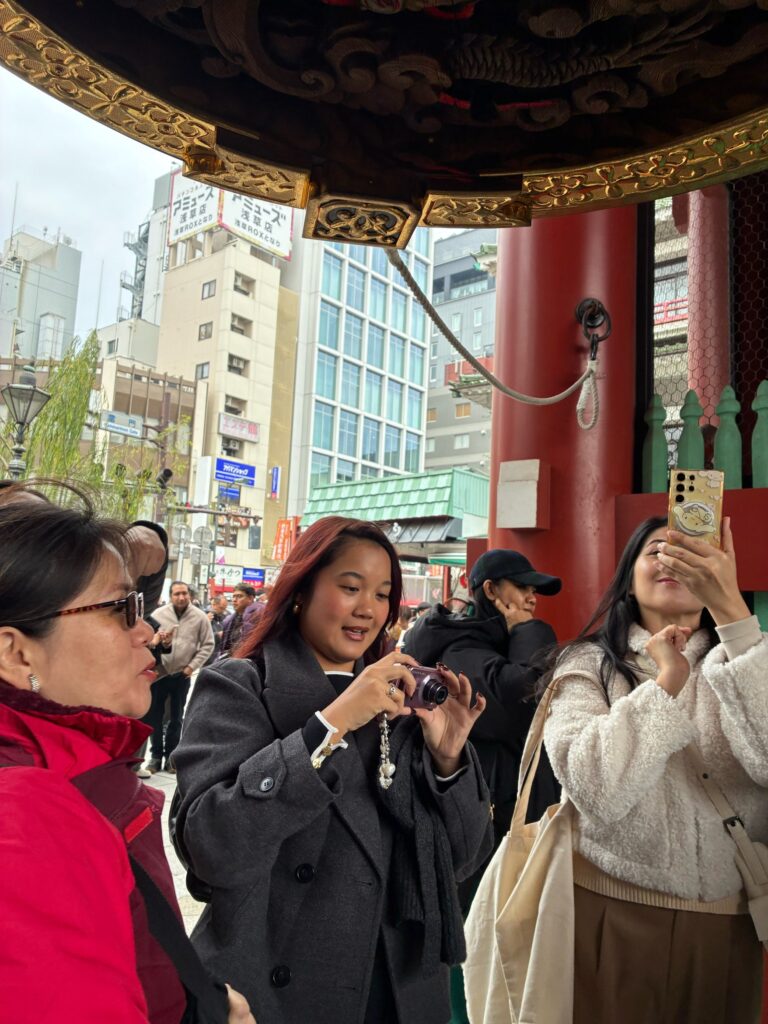
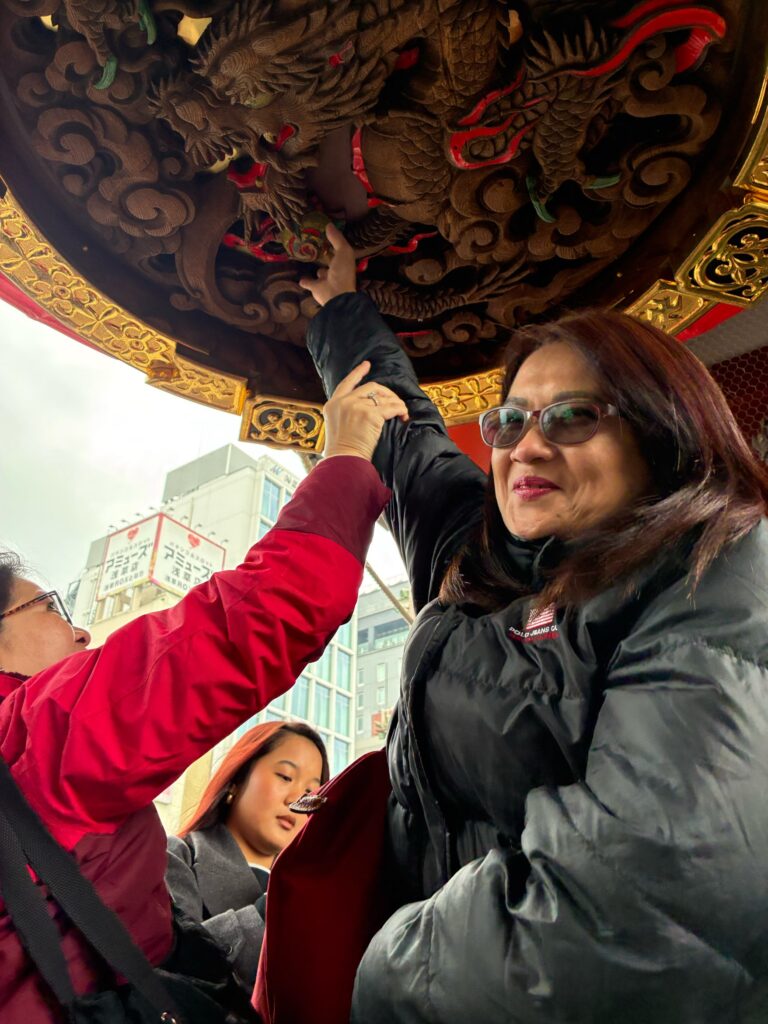
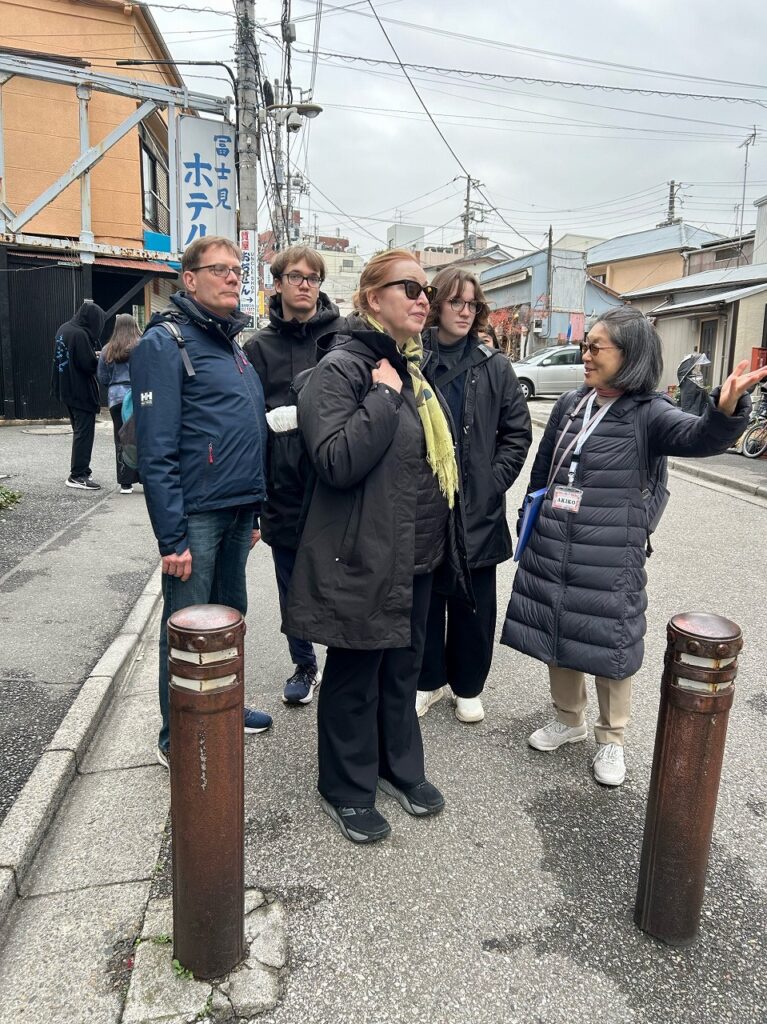
In Asakusa’s Group A, the guests showed interest in a mini-lesson on Chinese characters, using the lantern at Kaminarimon Gate as an example. They were also interested in the fact that a fire-breathing Western dragon is regarded as a water deity in Japan. However, it seems difficult to fully understand how Japanese can accept multiple religious beliefs
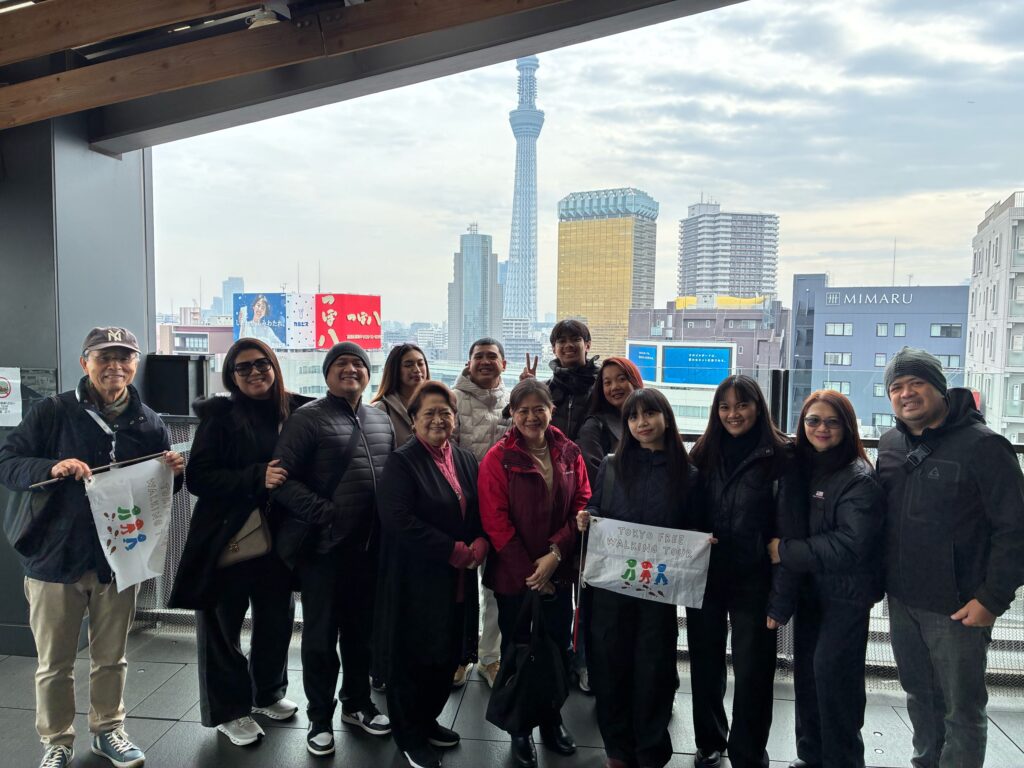
Group B was a large family group of twelve relatives. They had contacted other volunteer tour organizations about joining a tour, but TFWT was the only one that accepted the entire group, for which they said they were very grateful.
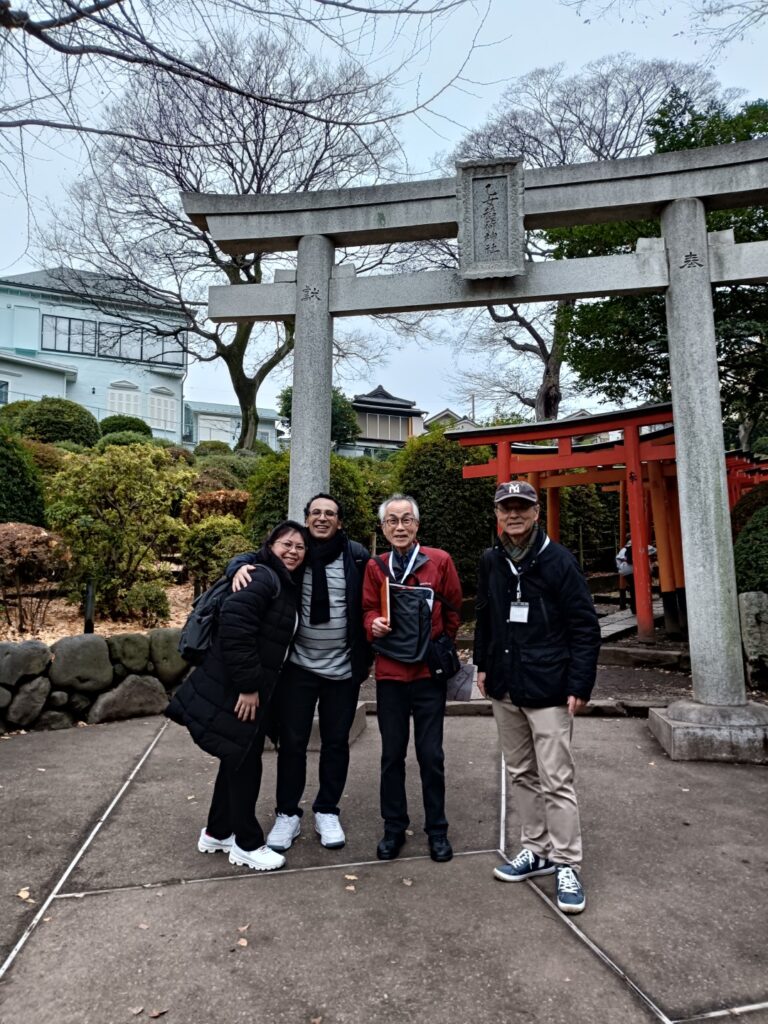
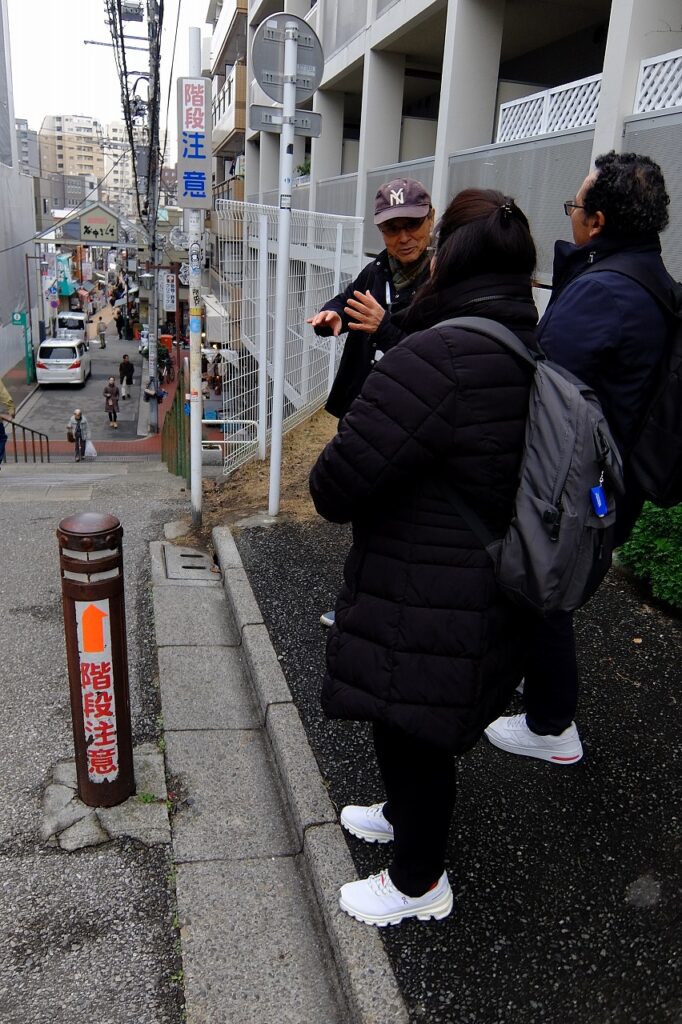
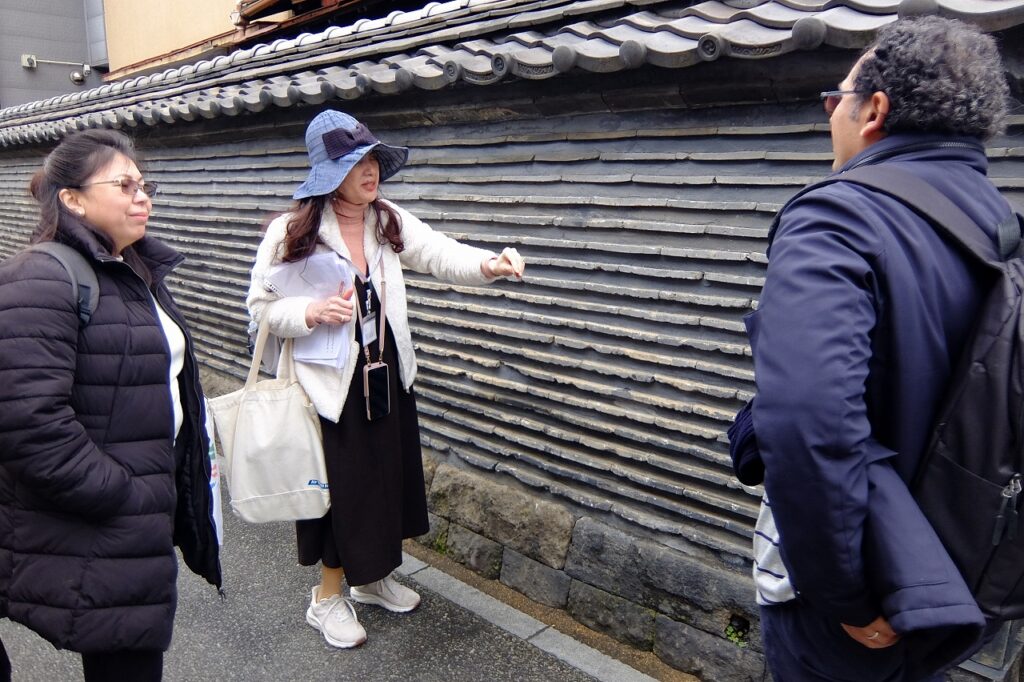
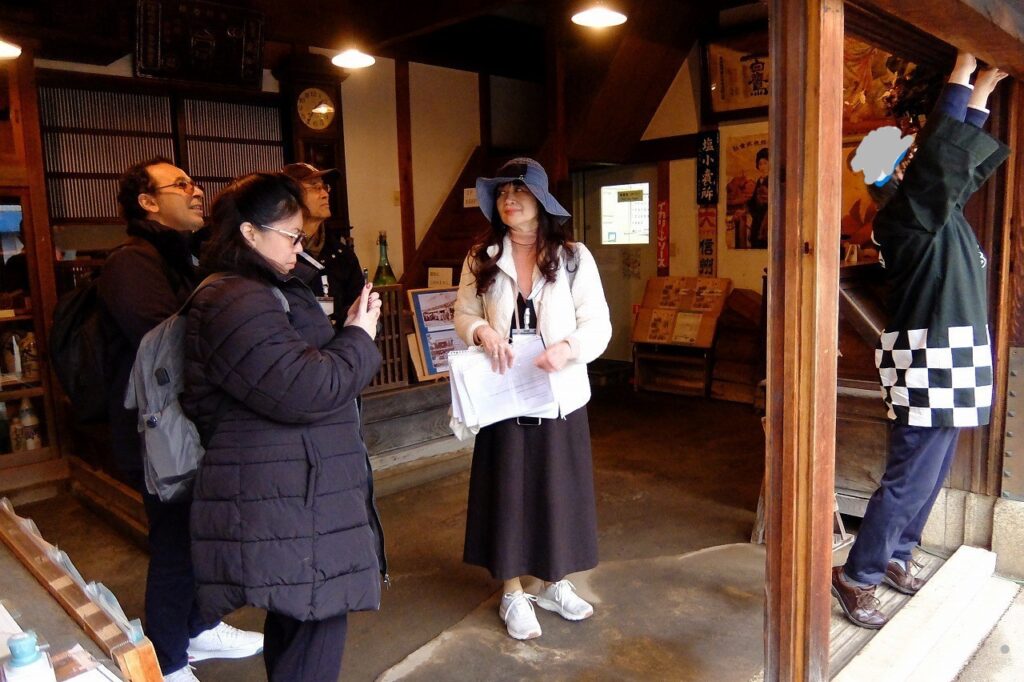
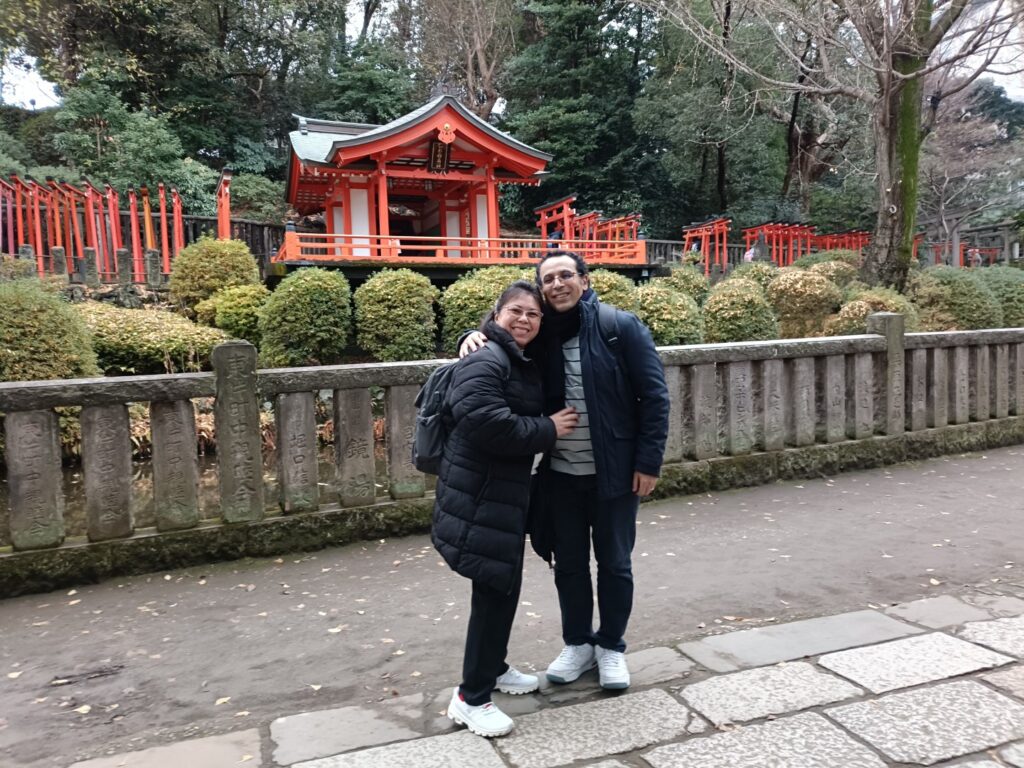
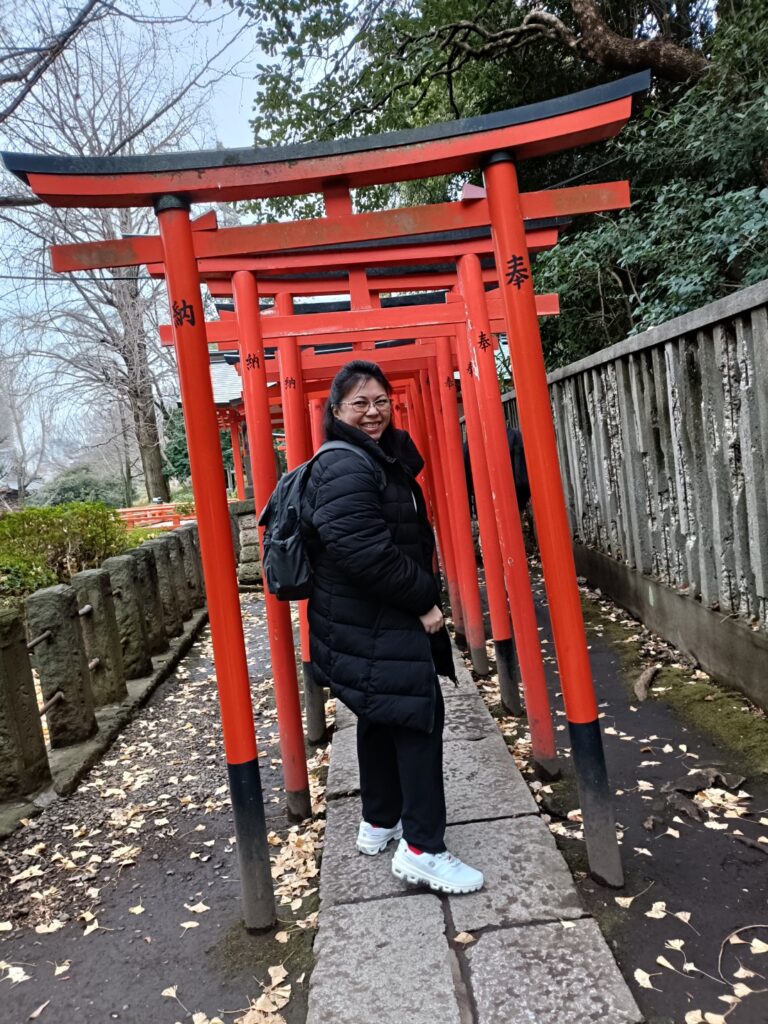
In the afternoon, the Nezu’s Group A welcomed a sweet couple from Singapore. They showed great interest in everything, making the tour very enjoyable. They were particularly interested in: sutra memorial tablets at the Yanaka cemetery, a pump at a well, the burial mound of the placenta of the sixth Shogun at Nezu Shrine, and so on.
Group B had a very close-knit family of four from Canada. Since it was a private tour just for the family, we proceeded answering various questions about New Year decorations and osechi ryori (Japanese New Year’s special dishes), the reason why Japanese streets are clean and tidy, and why fruits are so expensive among others.
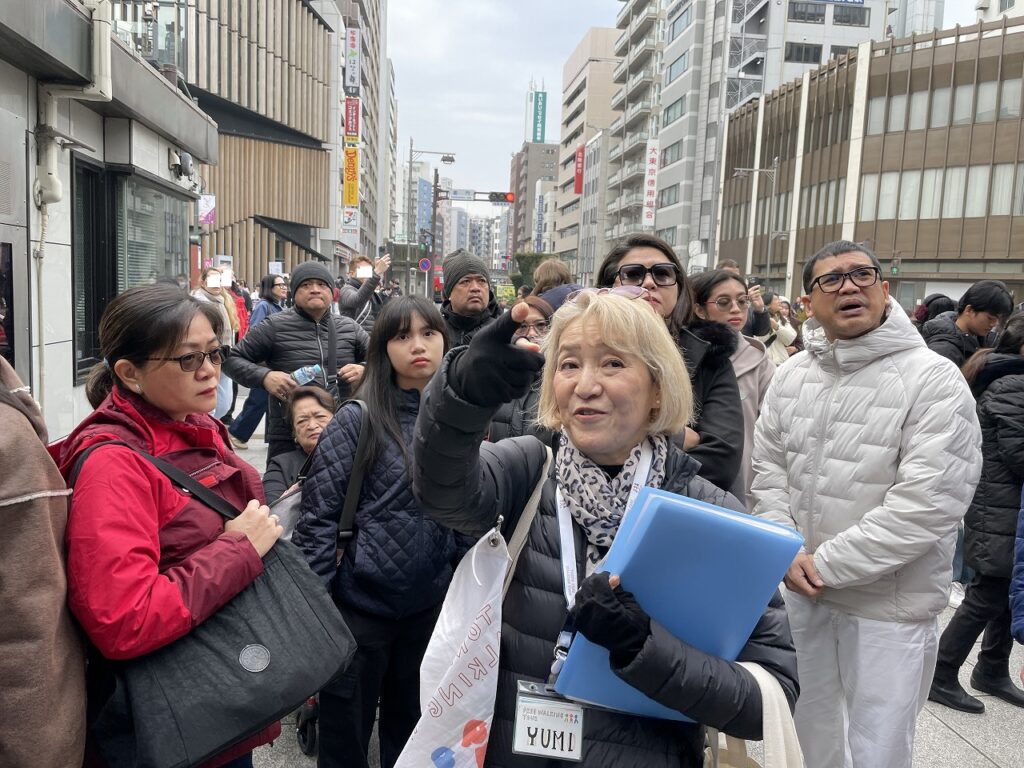
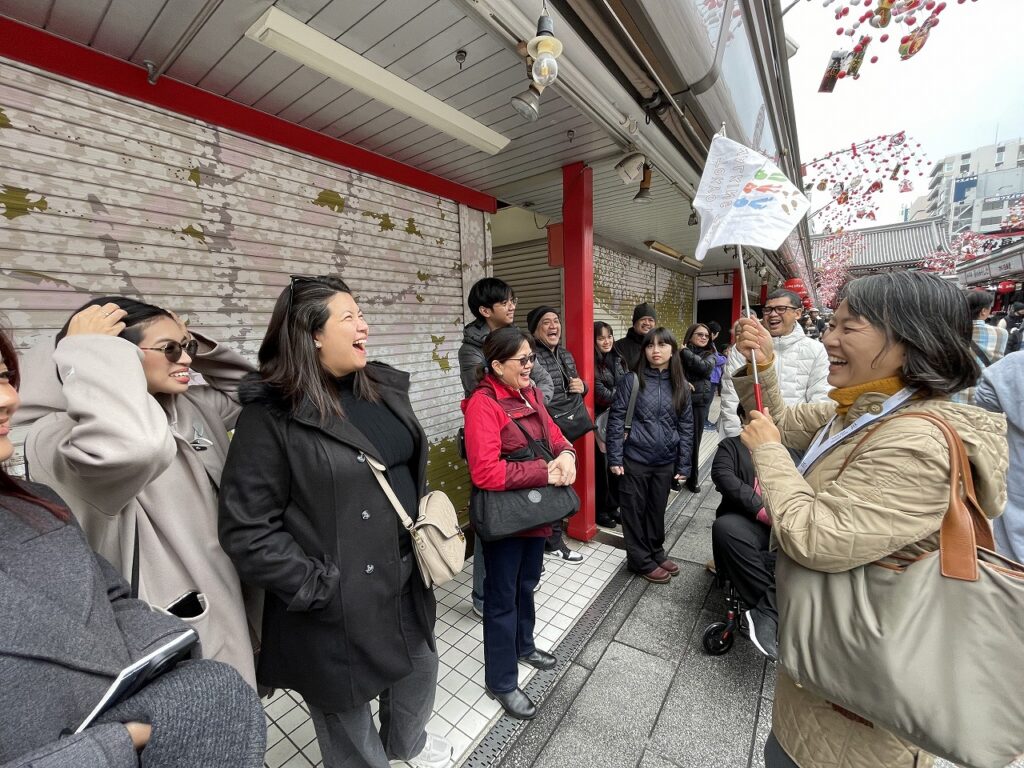
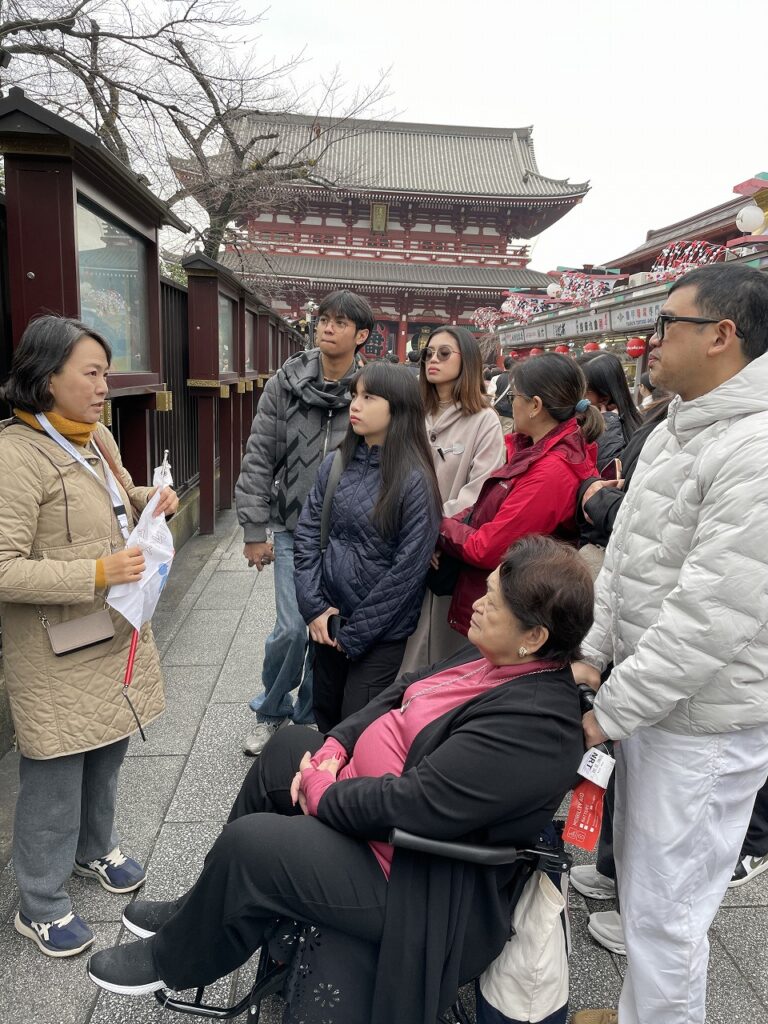
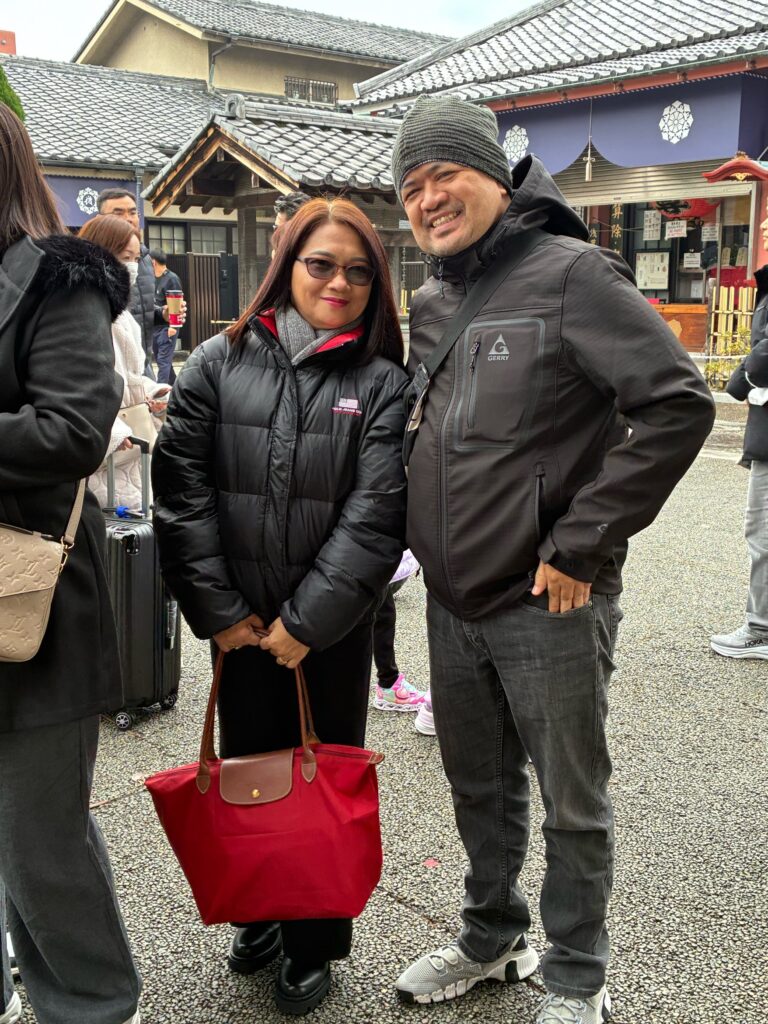
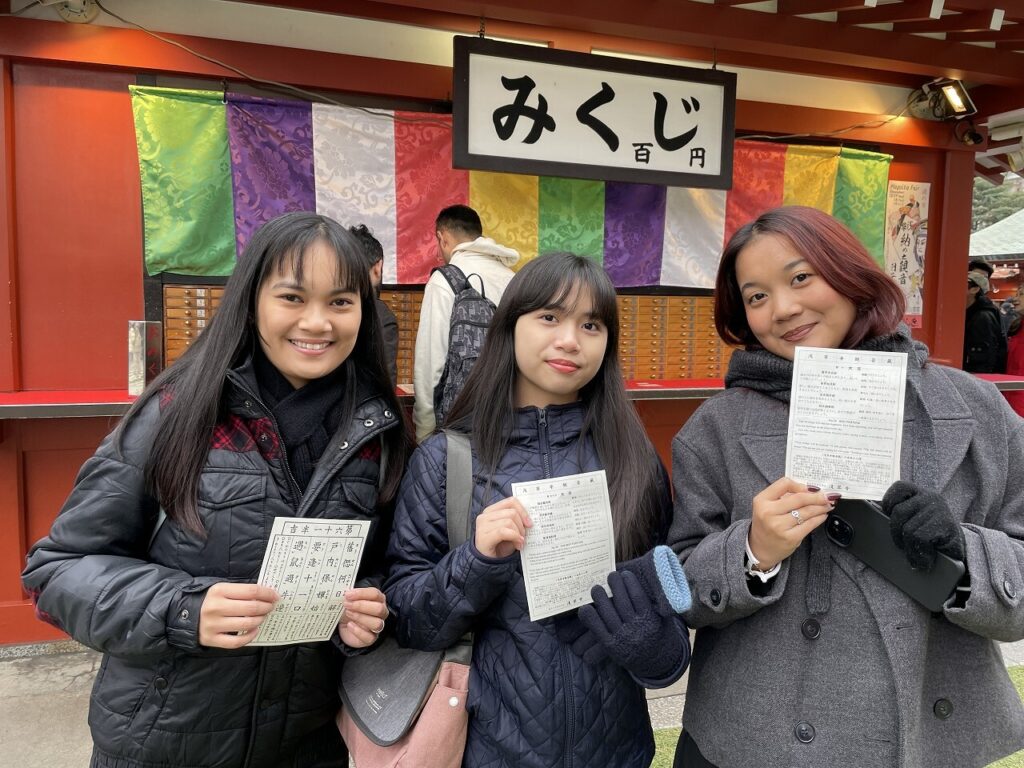
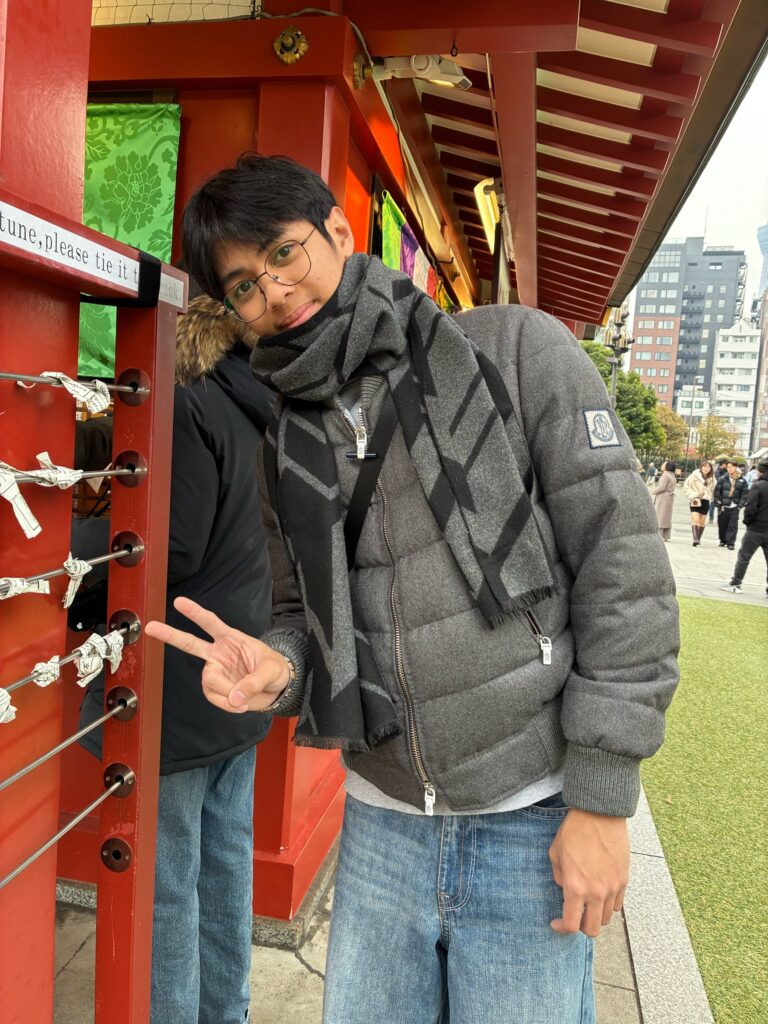
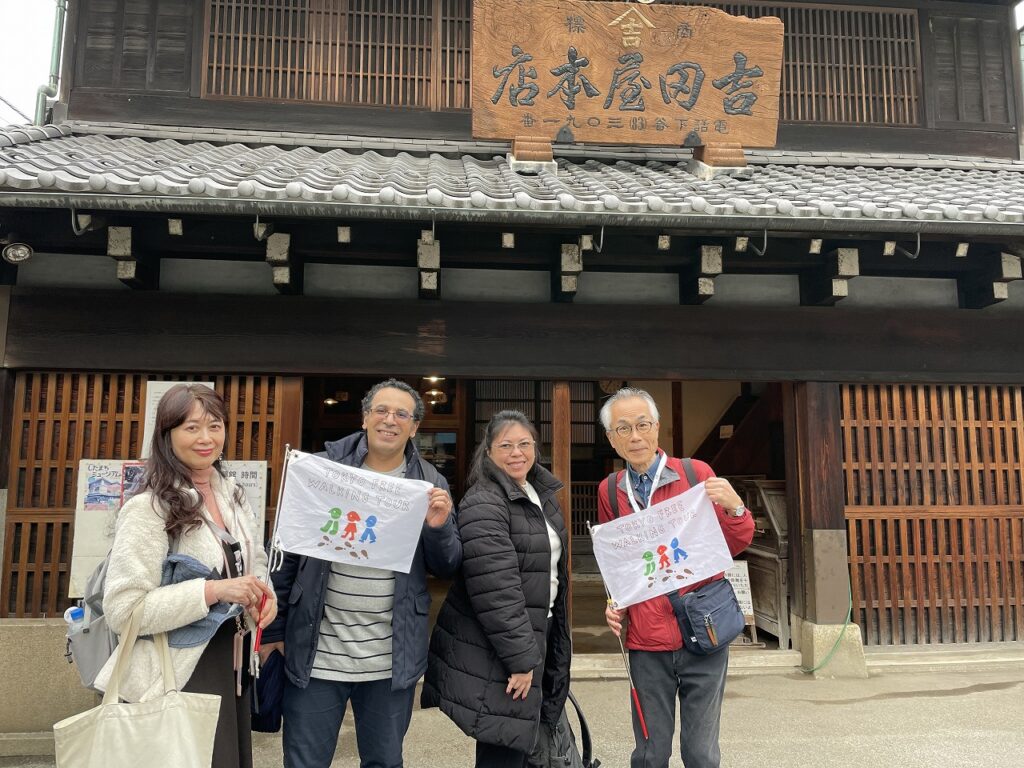
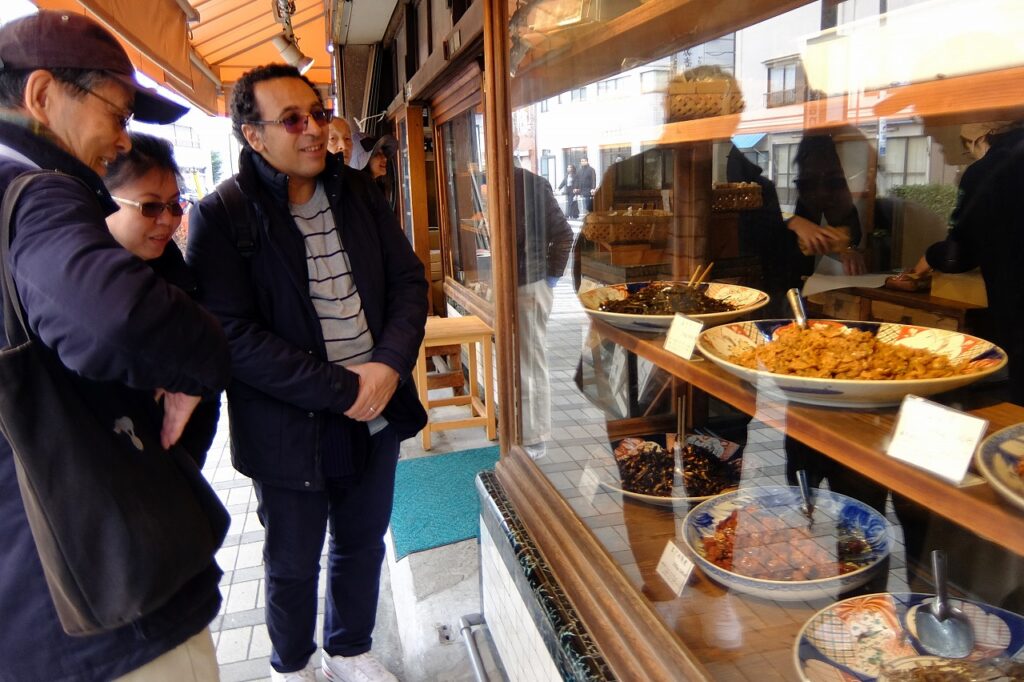
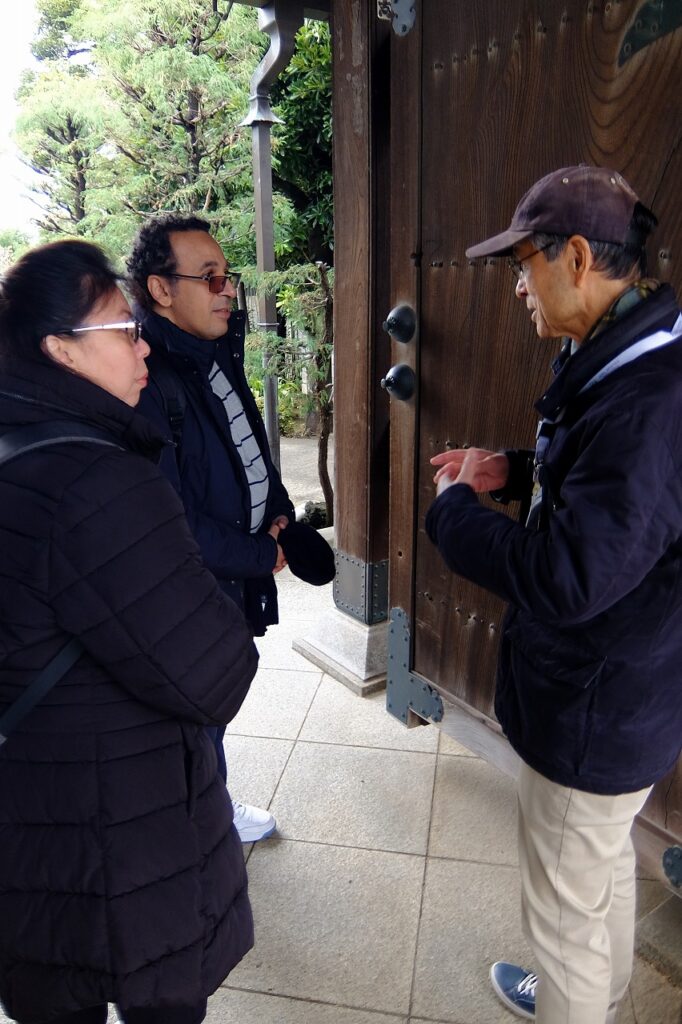
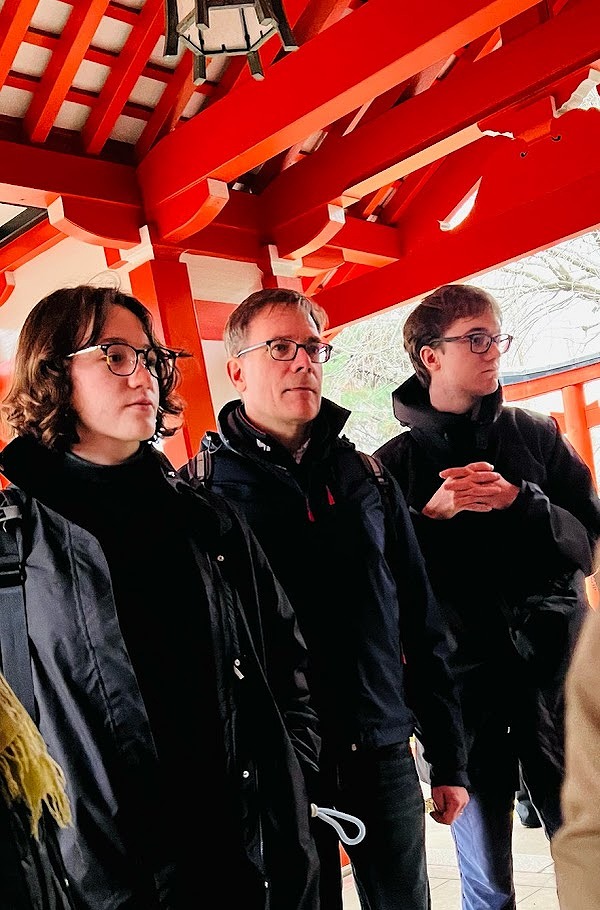
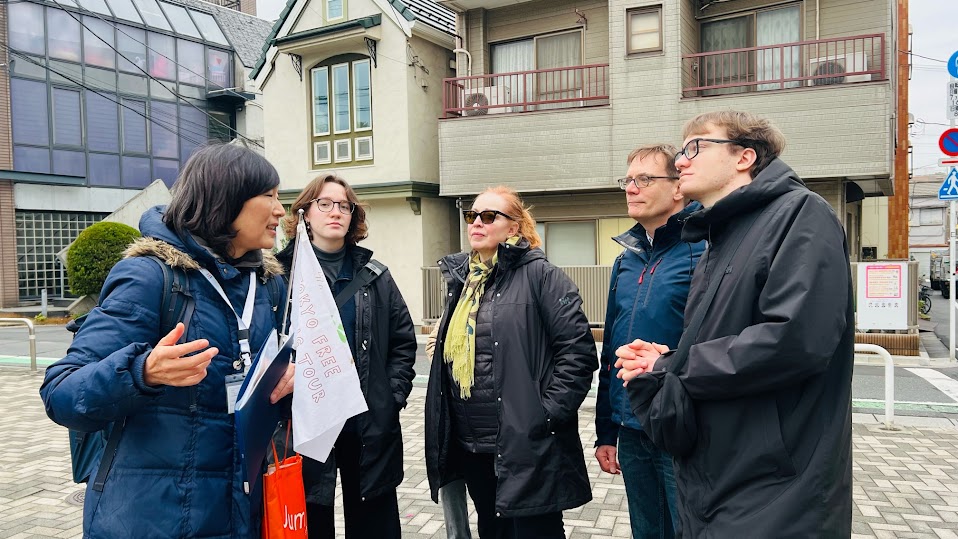
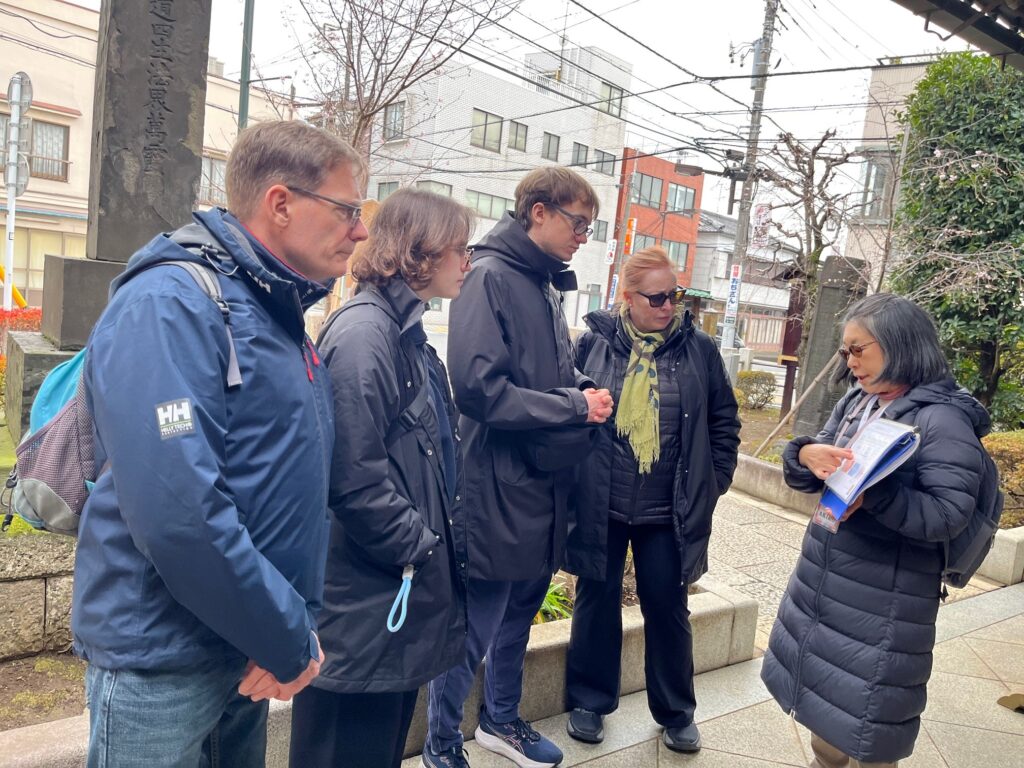
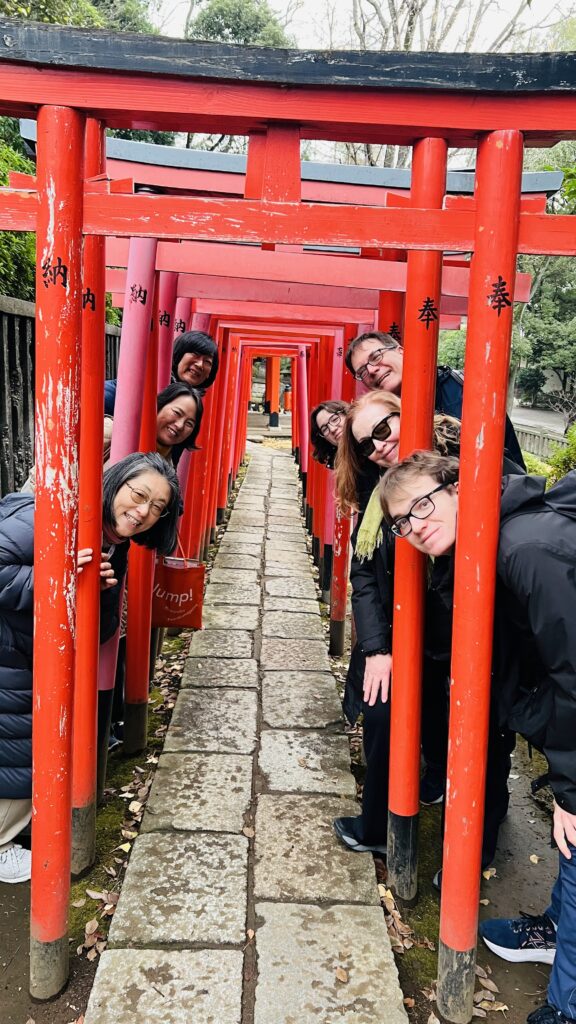
Group photos and snapshots are attached here so you can look back on the fun moments we shared during the tour.


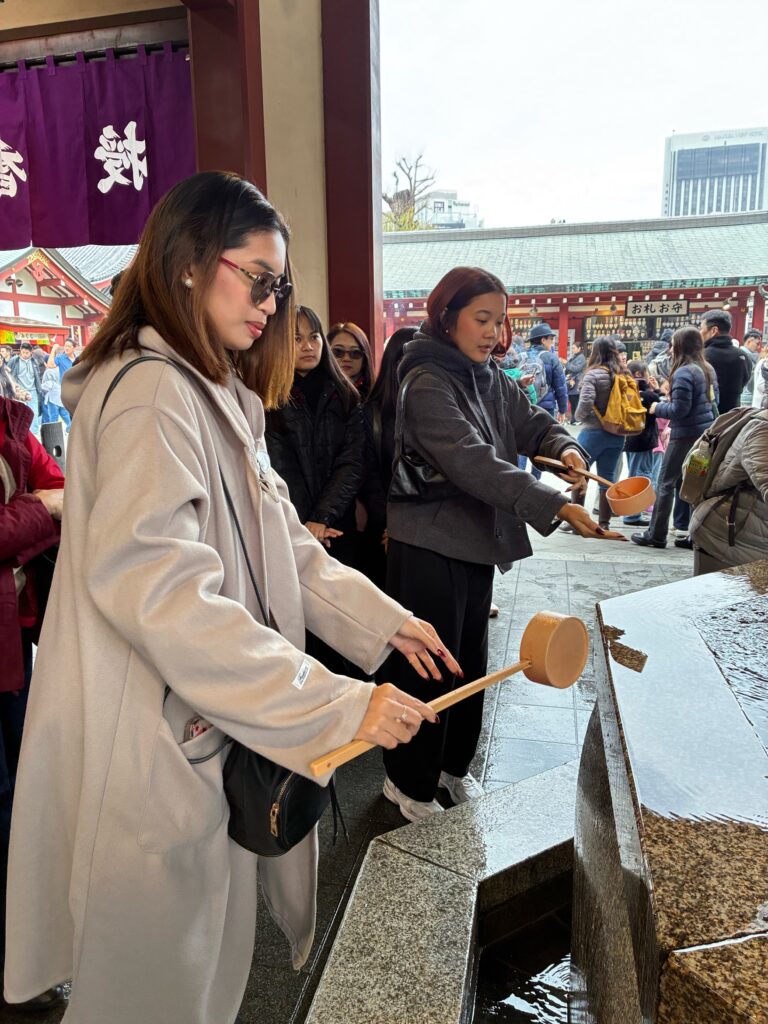
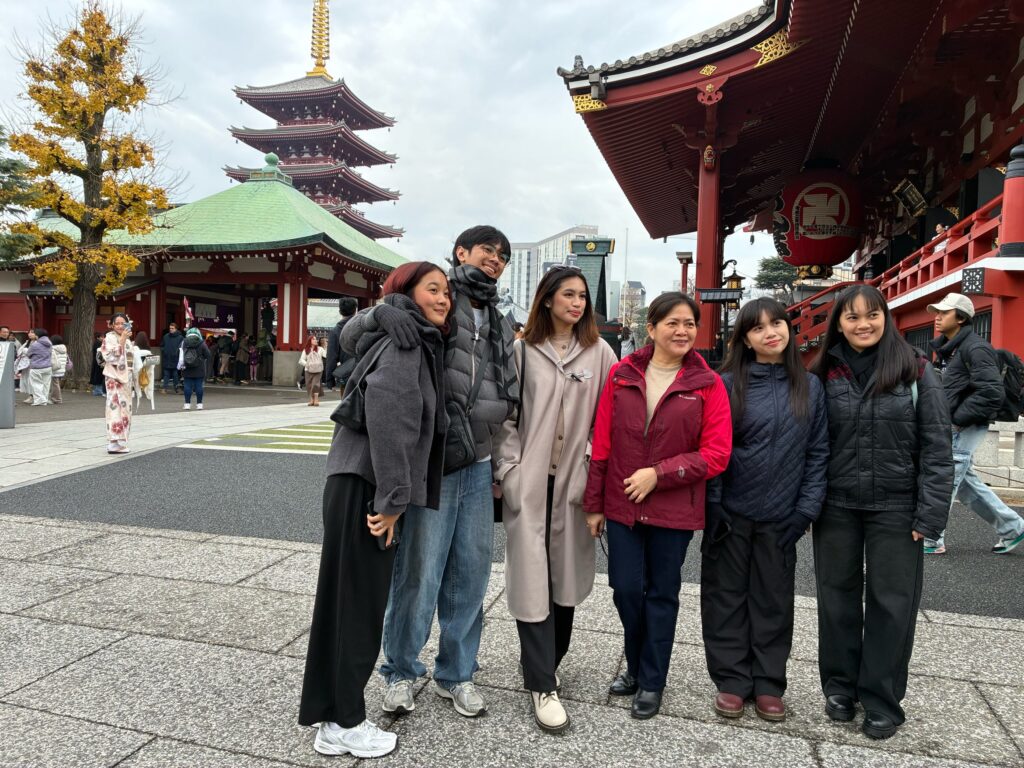
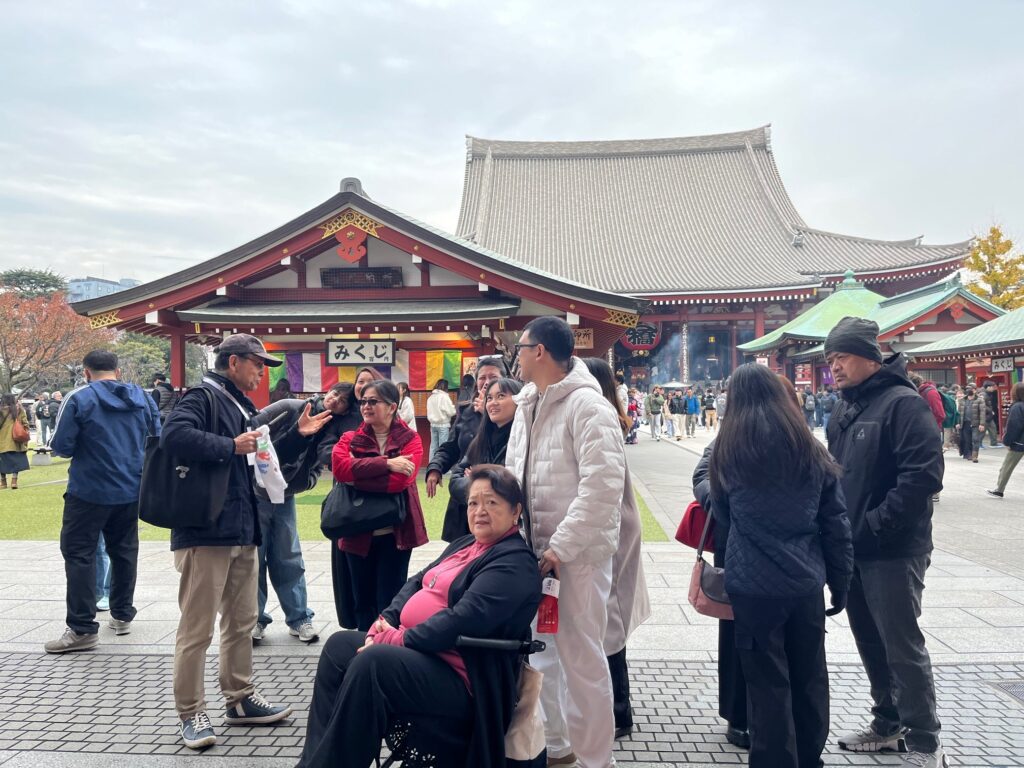
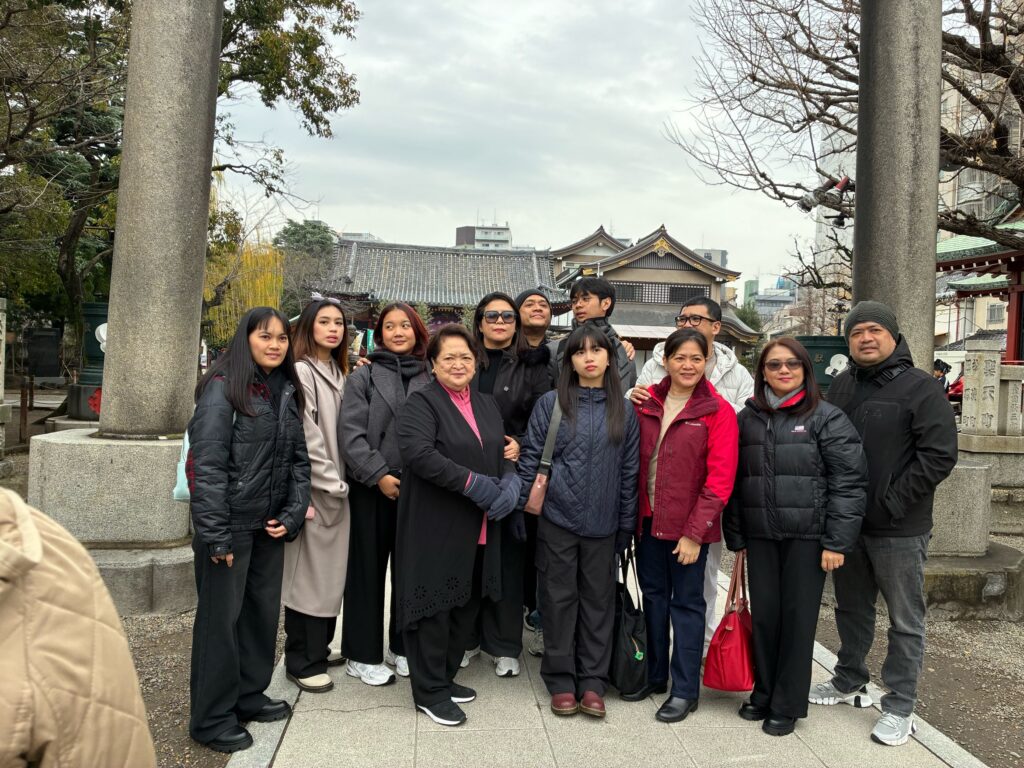

The “rainy” Christmas is now over.
Before the COVID-19 pandemic, pop songs by artists like Tatsuro Yamashita or Wham! filled shopping streets at full volume. Supermarkets and department stores piled up boxes of Christmas cakes, and in nightlife areas such as Shinjuku and Ikebukuro, red-faced Santas wandered unsteadily through the streets.
Since the pandemic, however, things have changed. Christmas in Tokyo has become quieter. And that’s perfectly fine.
Next come New Year’s Eve and the first shrine or temple visit of the year. The main event on New Year’s Eve is Joya-no-Kane, a traditional Japanese ritual of temple bells rung 108 times at midnight. This ritual is meant to cleanse us of the earthly desires we have accumulated over the year and to welcome the new year with a clear heart.
Why 108 times? One theory says that we are believed to have 108 earthly desires, which are eliminated one by one with each toll of the bell. (Personally, I may need a few more than 108.)
At Sensoji Temple, the first strike of the bell rings at midnight from the bell tower on Benten-yama Hill, in the southeastern corner of the temple grounds, announcing the arrival of the new year. Shortly afterward, the main hall—closed until then—opens its doors to welcome the first visitors of the year.
At Nezu Shrine, the Karamon Gate opens when the New Year’s Eve bell is heard ringing from Yanaka, allowing worshippers to pay their first respects of the year to the deities. (And yes, I am one of them.)
May peace come to the world in the coming year!
Once again, thank you very much for joining Tokyo Free Walking Tour during your stay in Tokyo. If you have another opportunity to visit the city, we would be happy to help you enjoy more wonderful experiences in places such as the East Gardens of the Imperial Palace, Asakusa, Meiji Shrine and Harajuku, Ueno, and Yanaka/Nezu.
For more information about our tours, please visit our website or social media pages:
https://tfwt.jp
https://www.facebook.com/TokyoFWT
Tokyo Free Walking Tour on TripAdvisor: https://www.tripadvisor.jp/
Posted by Shun