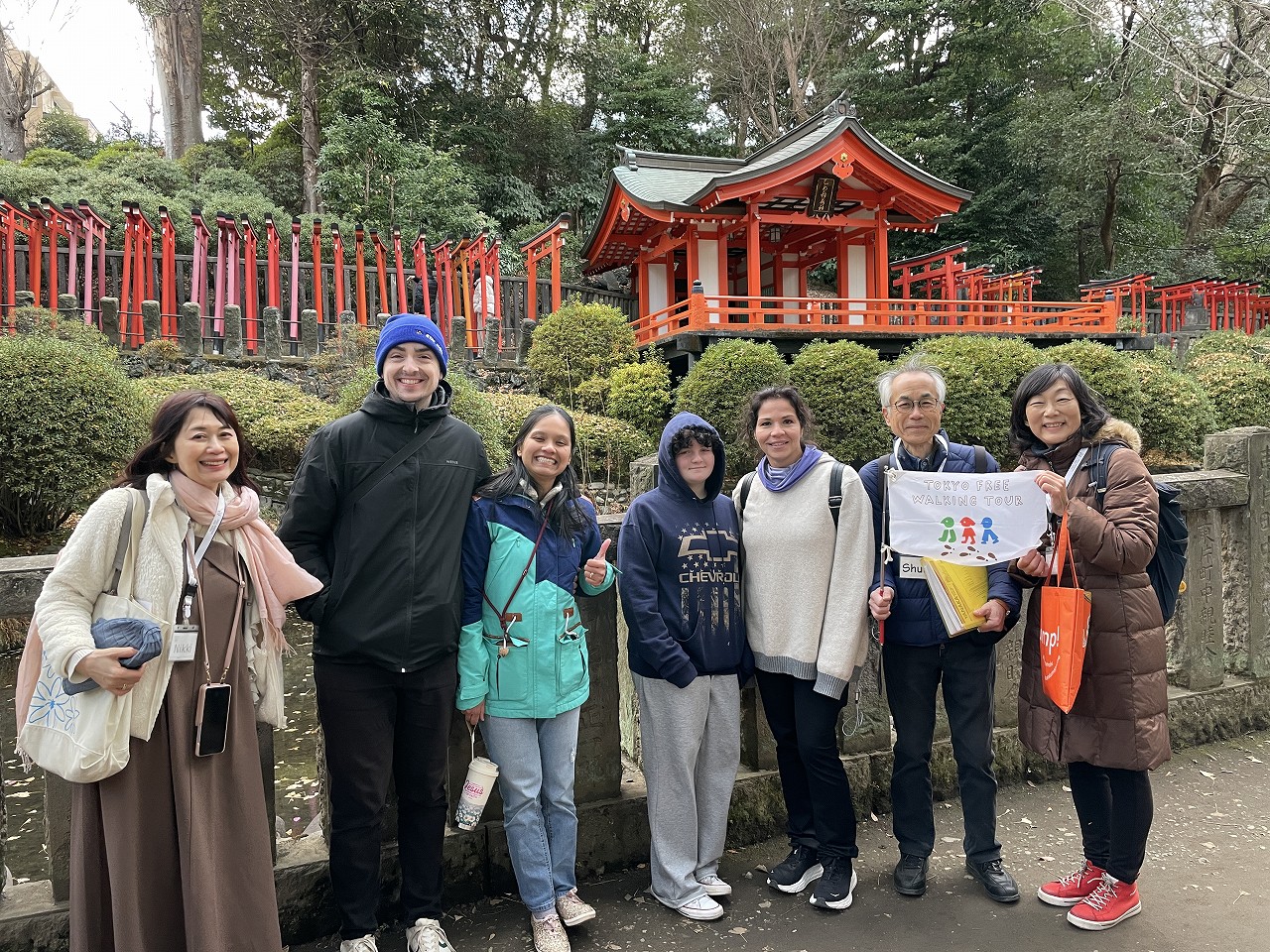
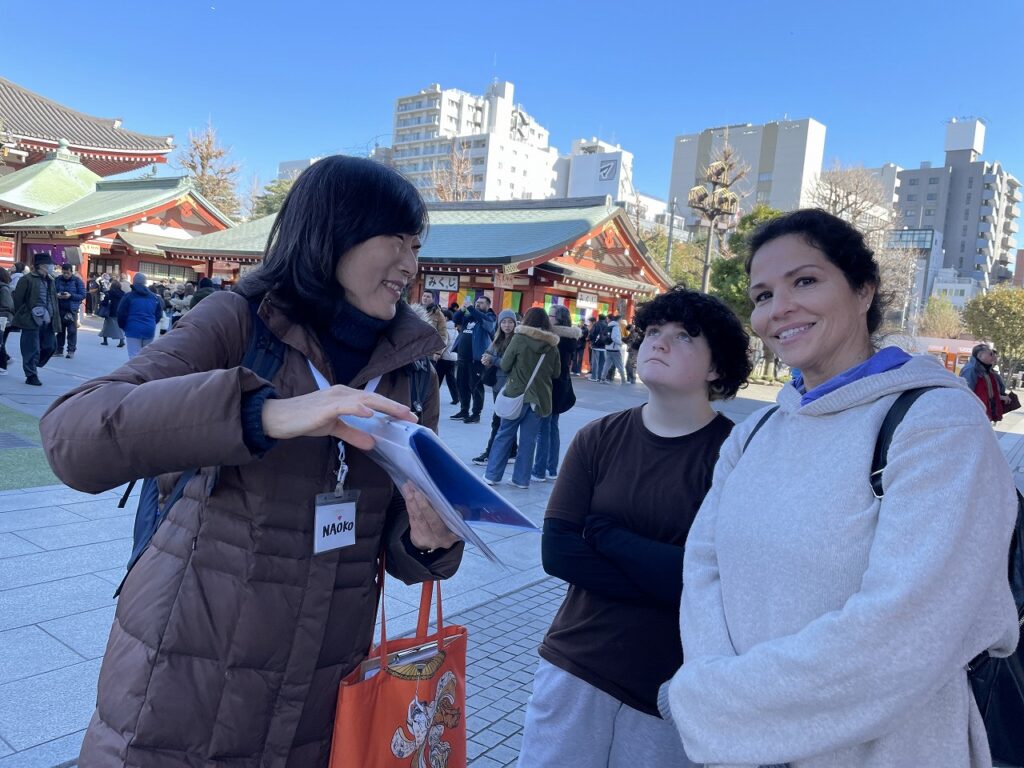
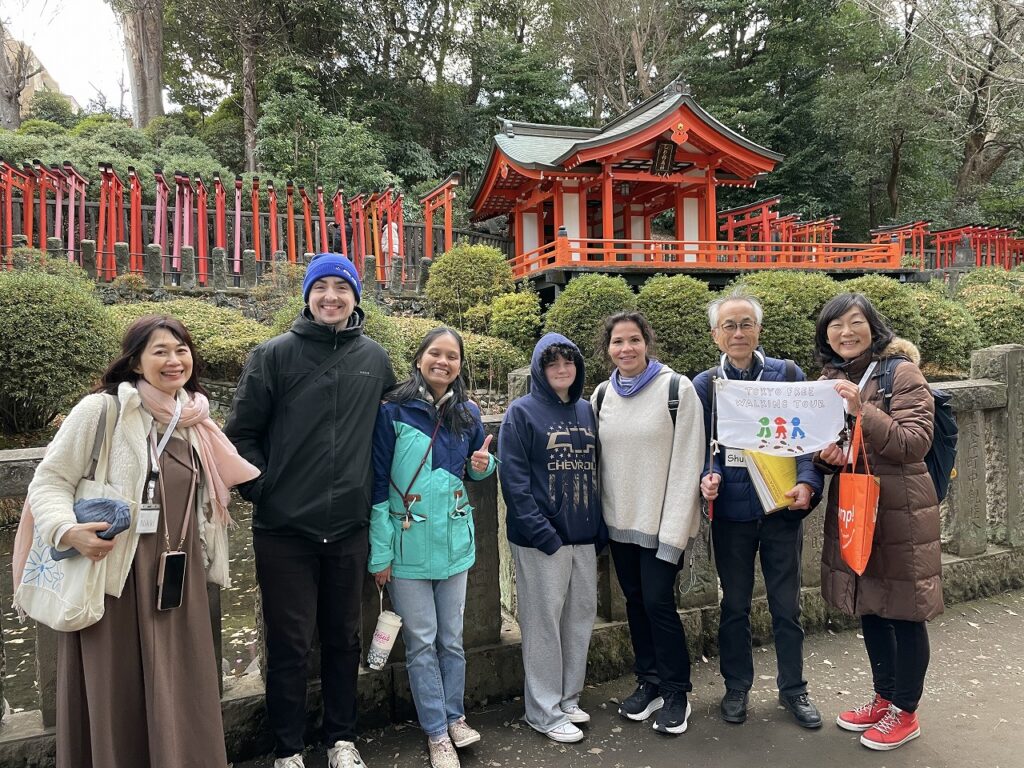
Thank you very much for joining our first tours of the year in Asakusa and Yanaka/Nezu on January 8th, 2026.
We were delighted to welcome 13 wonderful guests from the U.S.A and Australia. It was a great pleasure to spend time with you, sharing lively conversations while exploring the history and charm of Asakusa and Yanaka/Nezu together. We sincerely hope that each of you found something memorable along the way.
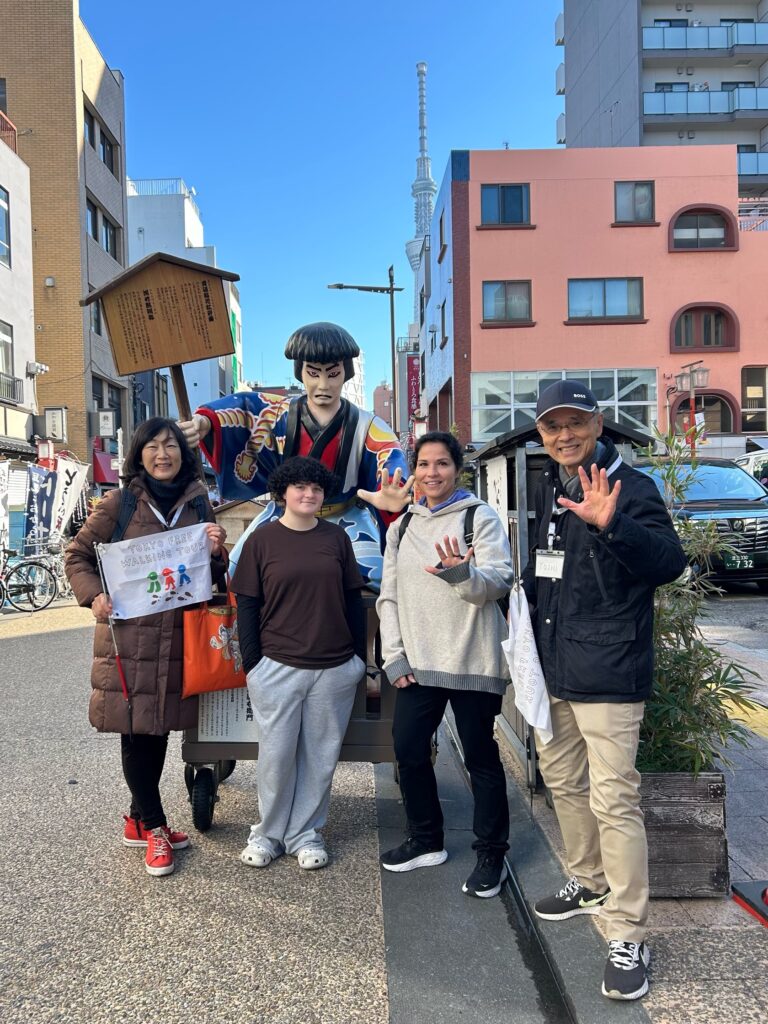
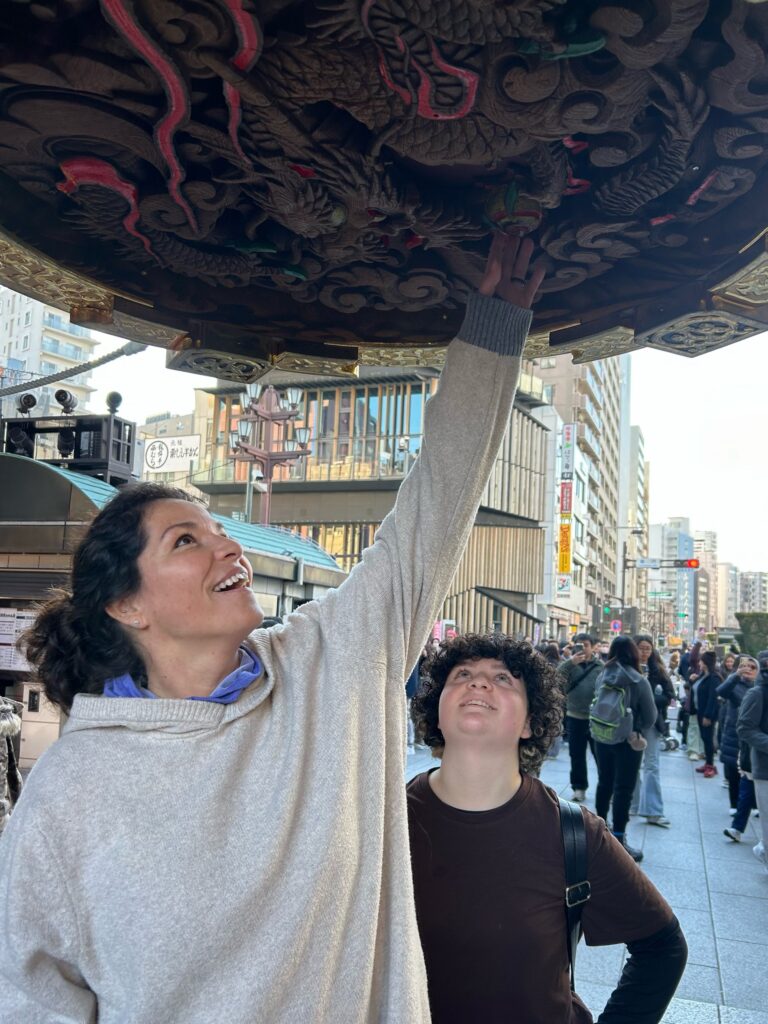
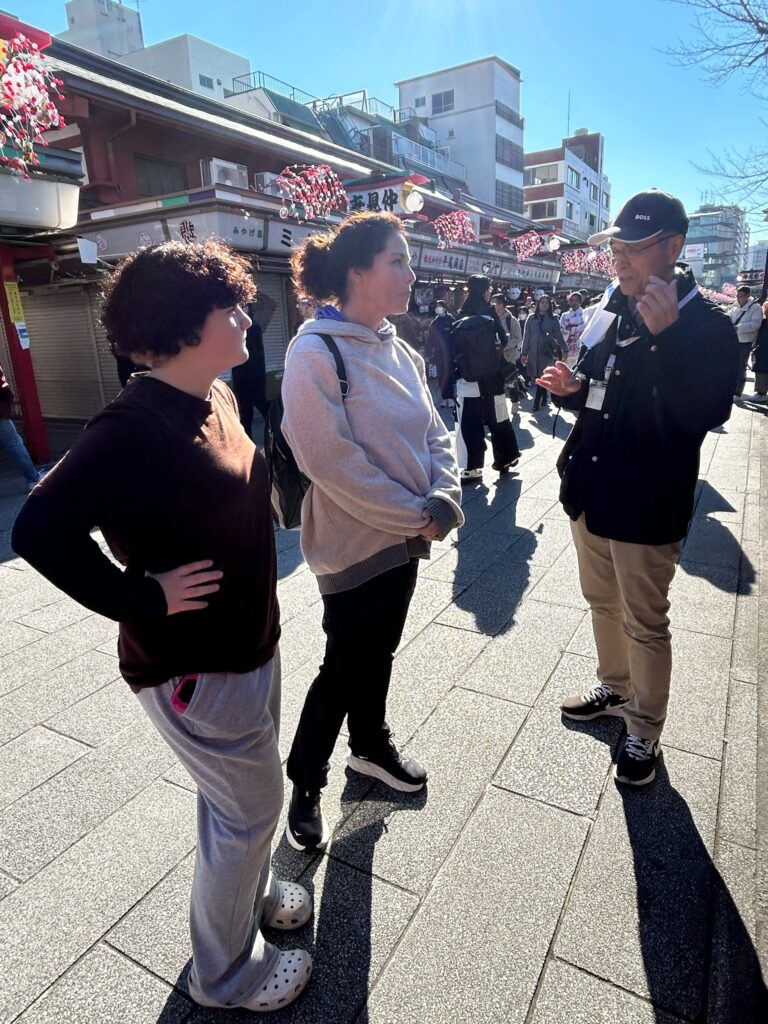
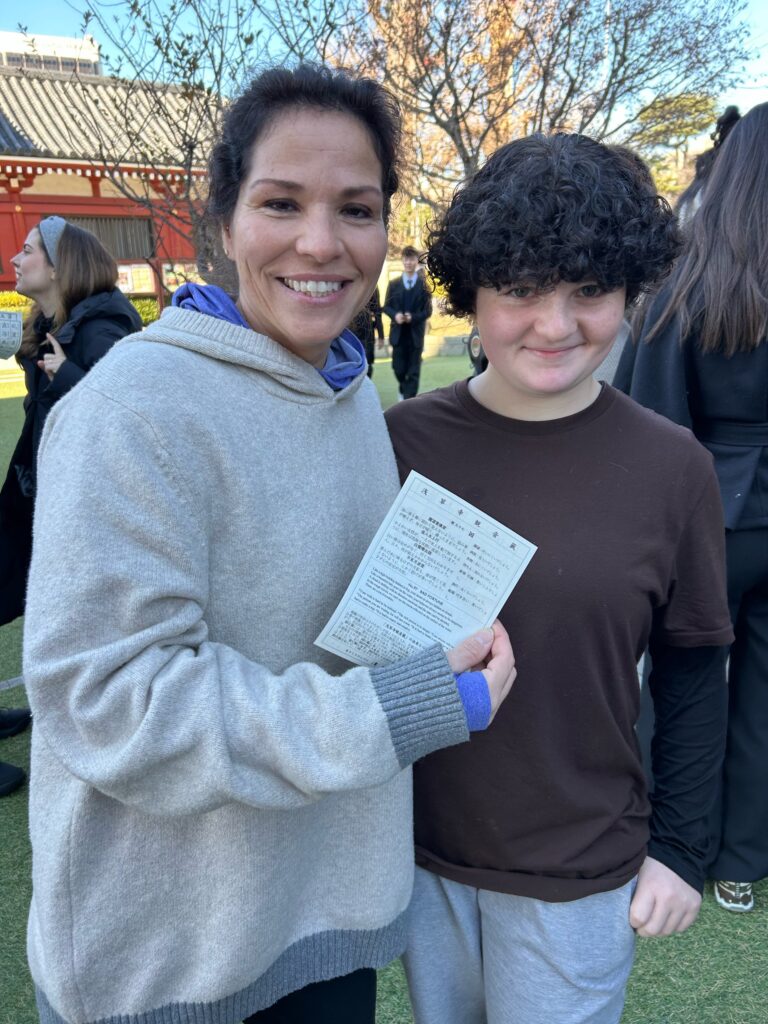
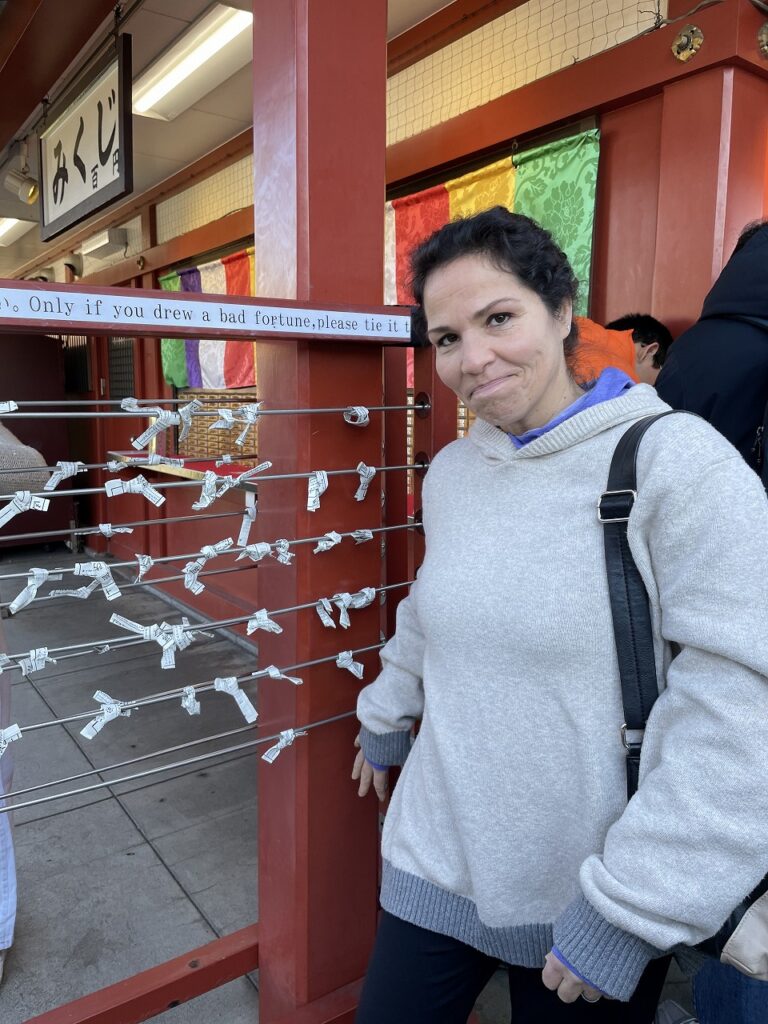
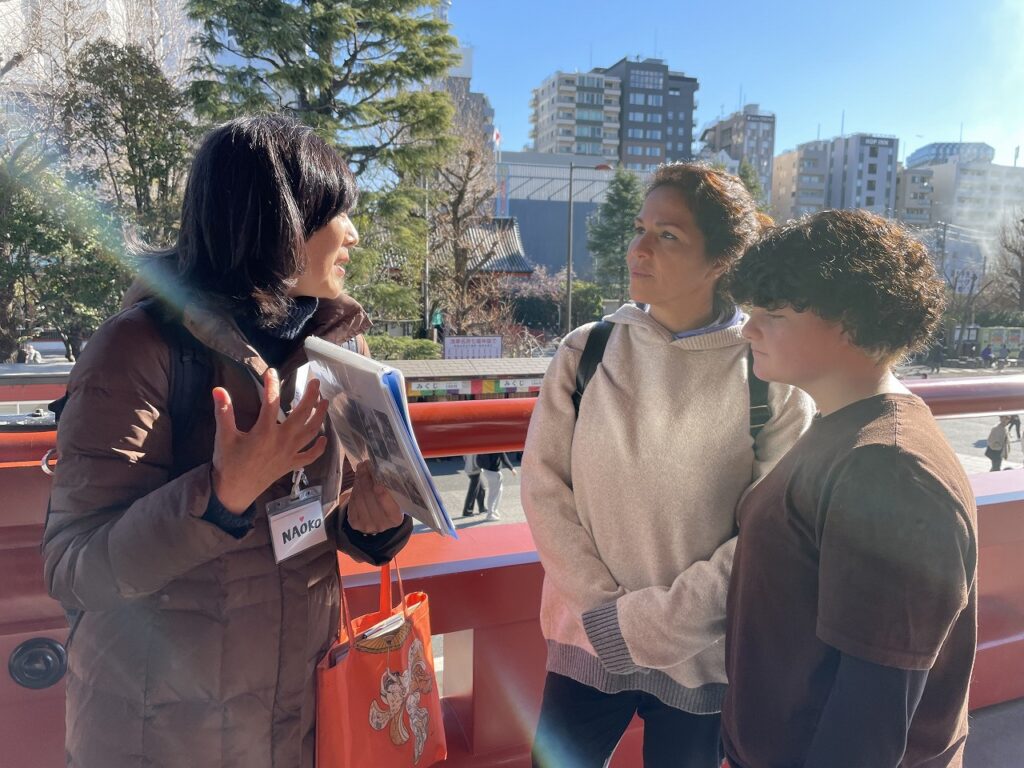
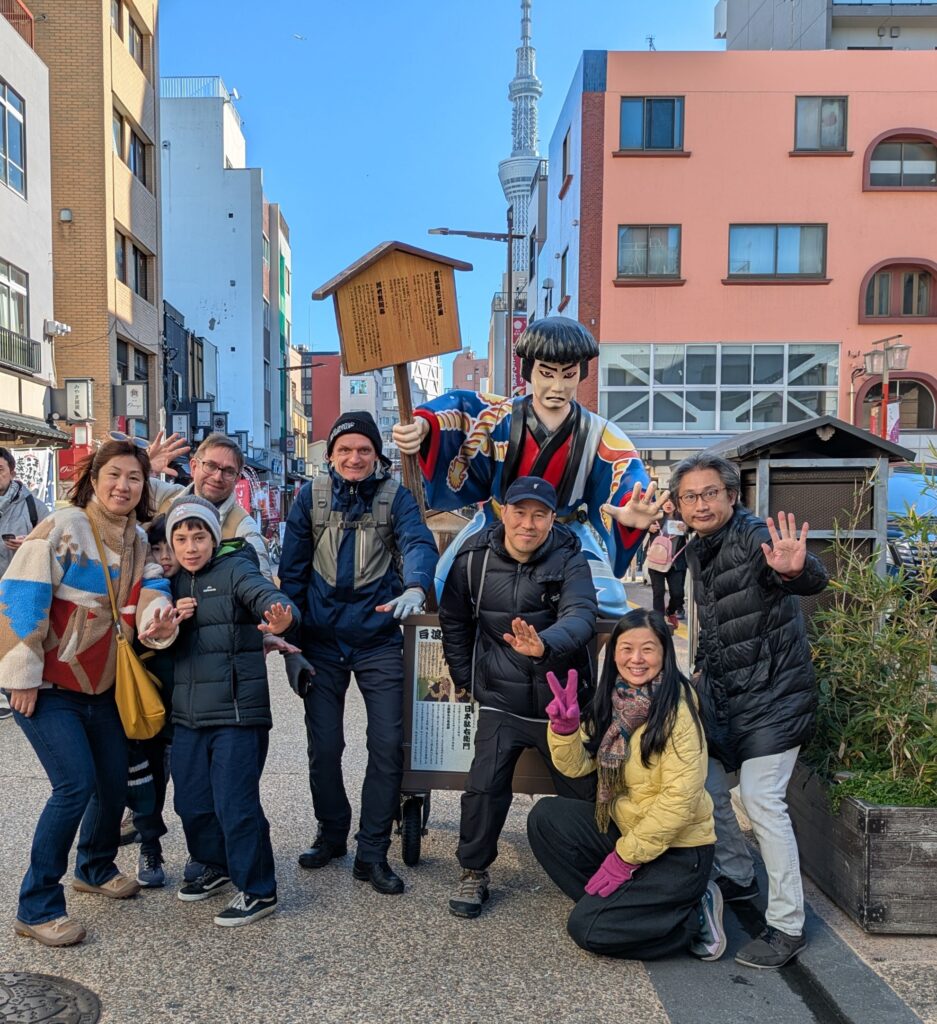
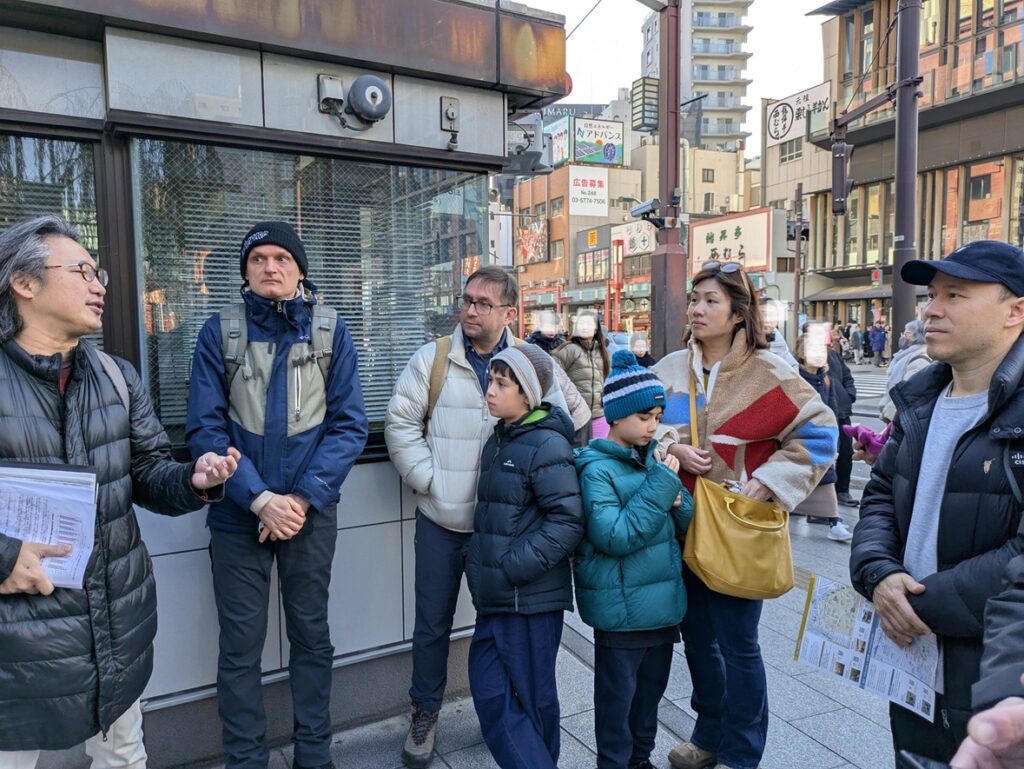
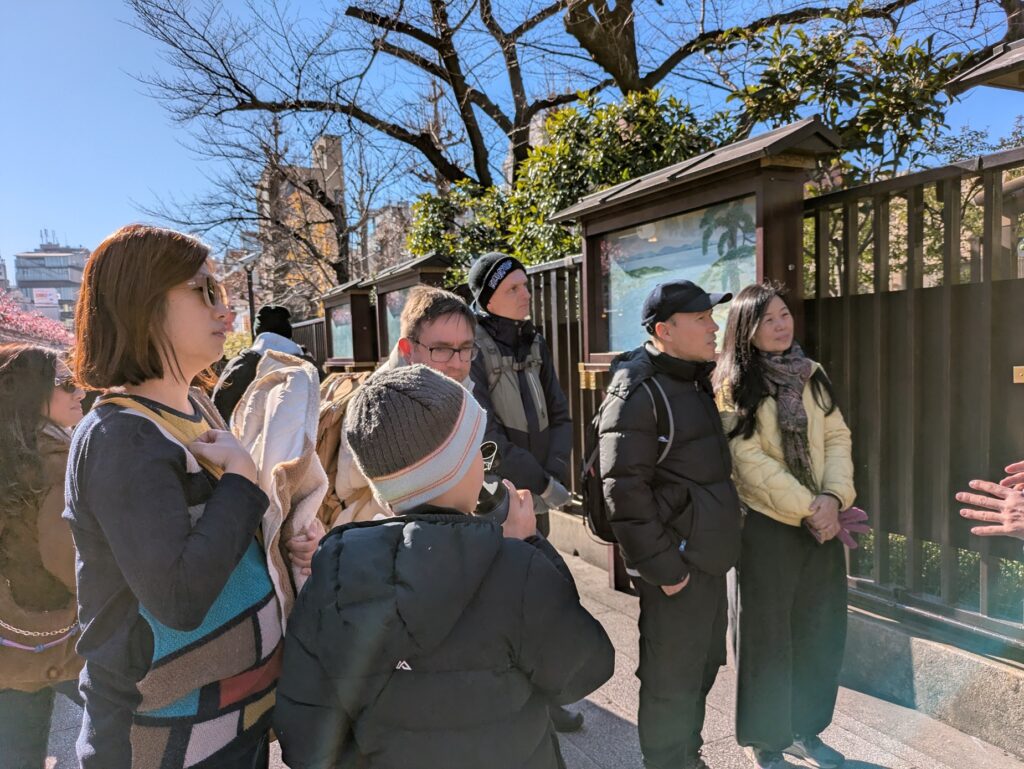
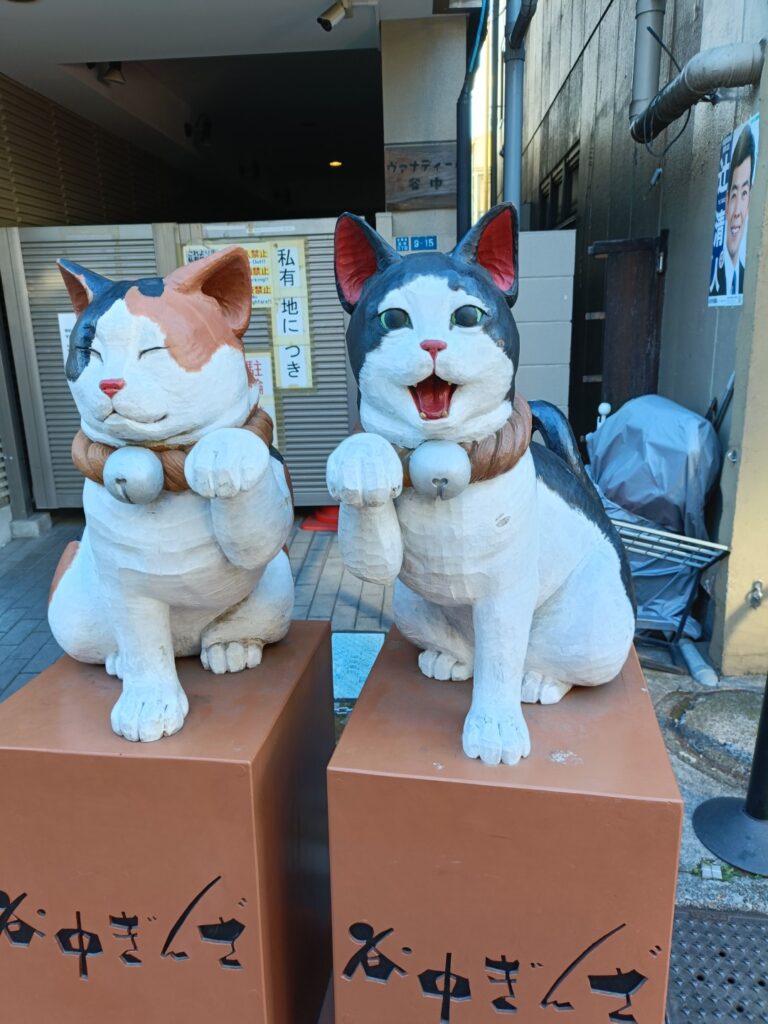
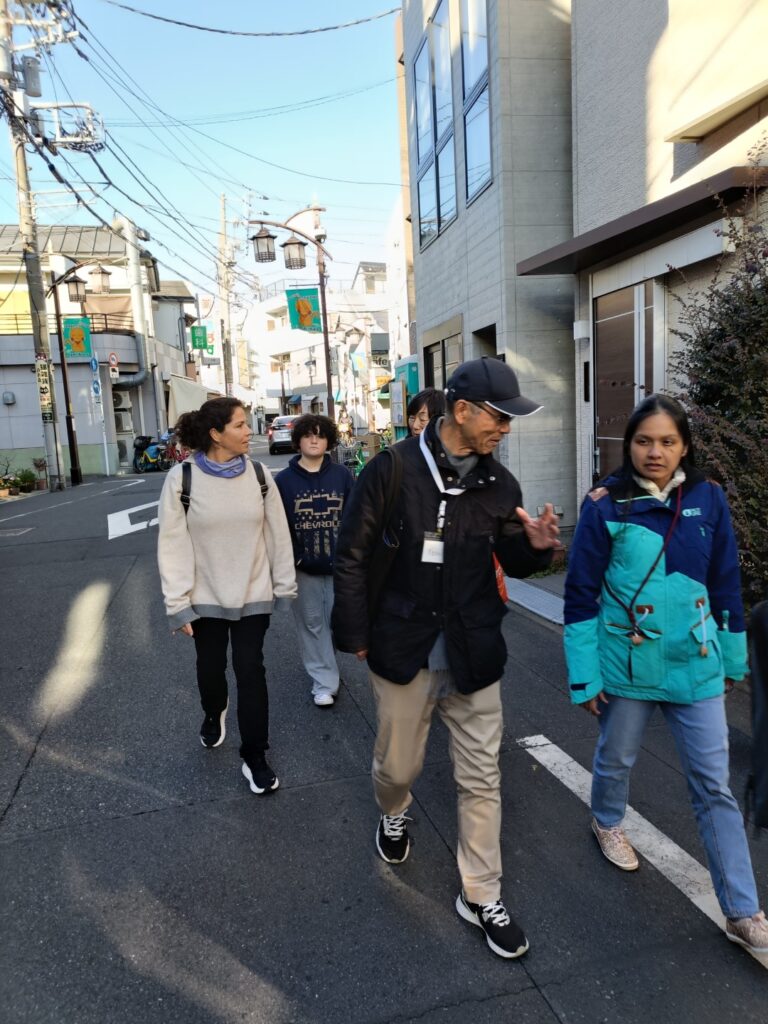
Group photos and snapshots are attached here so you can look back on the fun moments we shared during the tour.
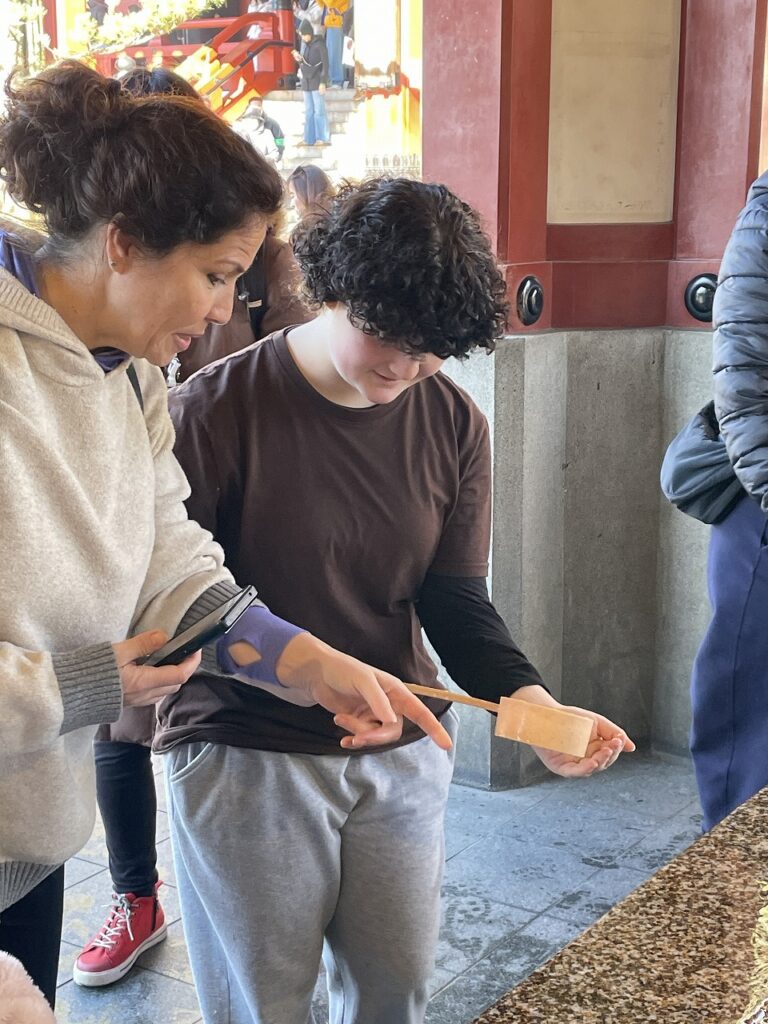
hands and mouth before warshiping
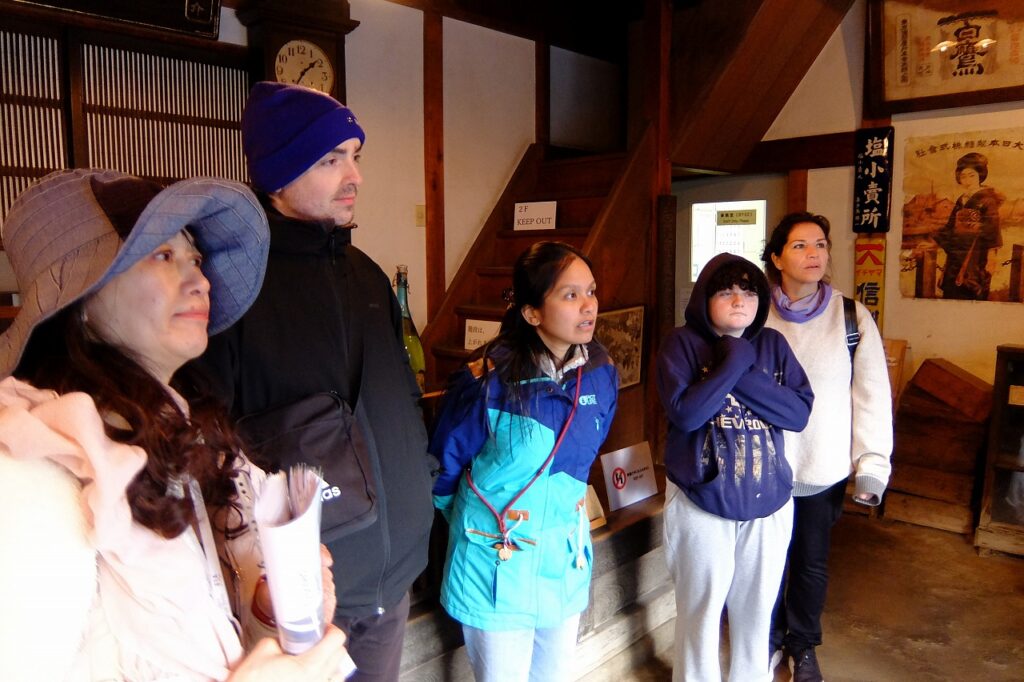
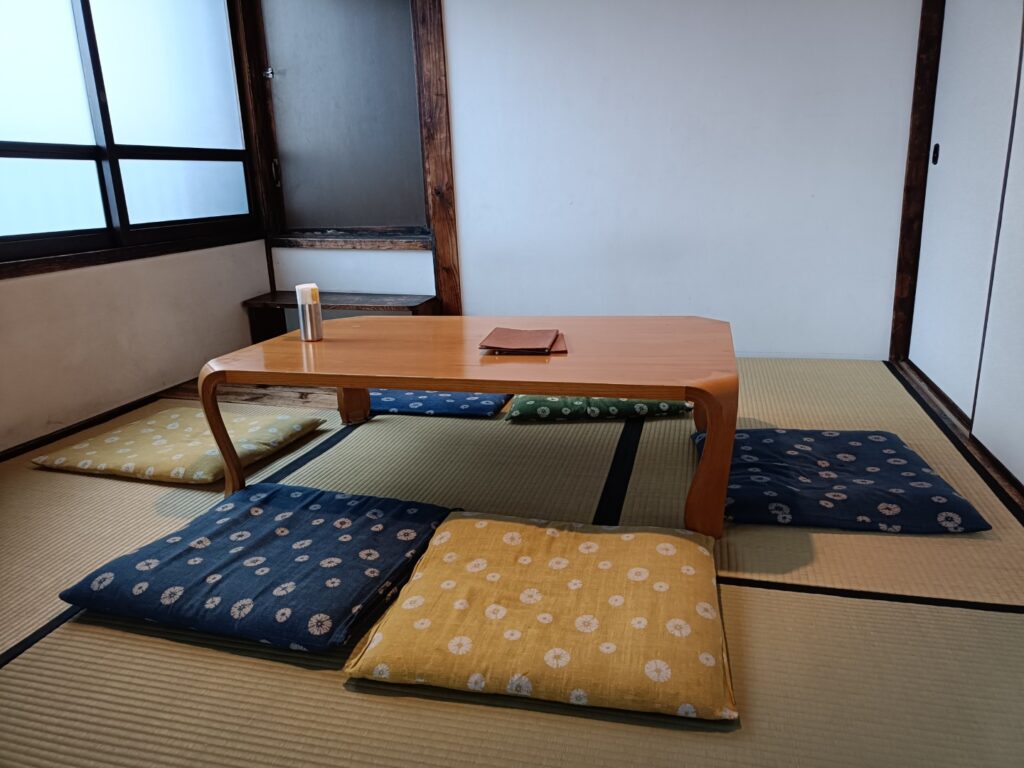
Kayaba Coffee Shop in Yanaka
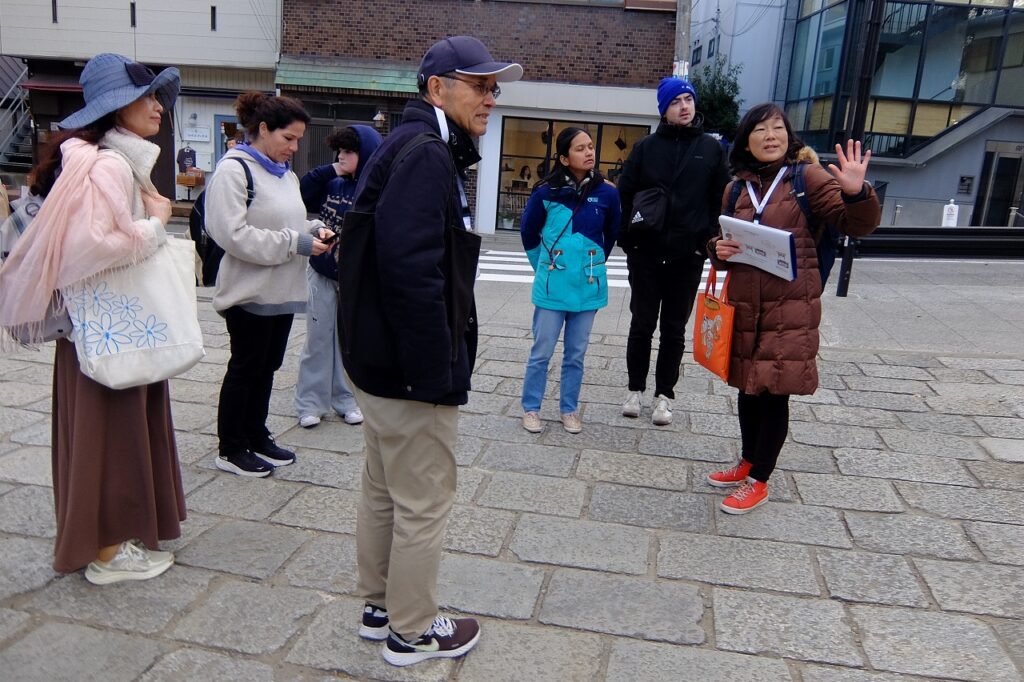
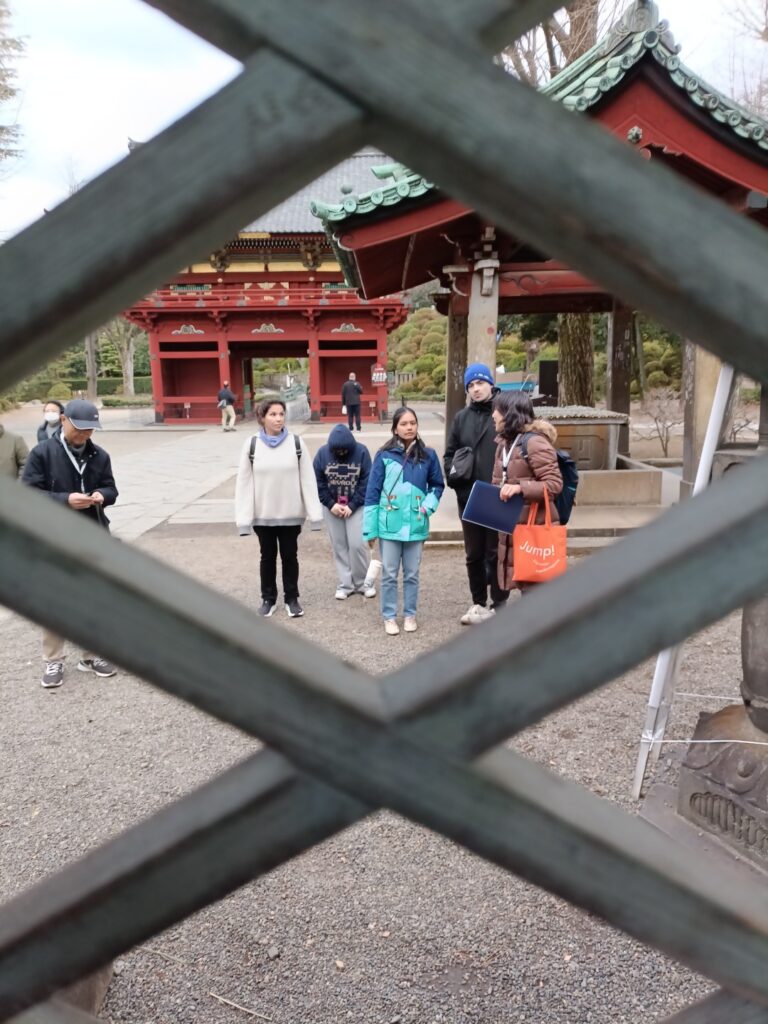
Traditionally, after the first visit of the year to a shrine or temple, many people go on a pilgrimage known as Shichifukujin Meguri, a tour of the Seven Gods of Fortune, who are believed to bring good fortune, wealth, and longevity.
The pilgrimage is usually held during the first week of January in several districts of Tokyo, including the Asakusa and Yanaka areas.
During the pilgrimage, participants visit each deity and receive red ink seals with calligraphy in a stamp book or on a stamp sheet as proof of their visit.
The Seven Lucky Deities are Ebisu, the god of prosperity and commerce; Daikokuten, the god of commerce and agriculture; Bishamonten, the god of protection against evil; Benzaiten, the goddess of beauty, music, and art; Fukurokuju, the god of wisdom and longevity; Jurojin, the god of health and longevity; and Hotei, the god of happiness and contentment.
Each deity has a different cultural origin. Some have roots in Buddhism, others in Hinduism, while Ebisu is the only indigenous Japanese deity.
On the Asakusa route, Sensoji Temple enshrines Daikokuten, the god of commerce and agriculture, in the Yogodo Hall, located northwest of the main hall. (Unfortunately, this hall is off our usual tour route.) Asakusa Shrine enshrines Ebisu, the god of prosperity and commerce.
On the Yanaka route, Choanji Temple enshrines Jurojin, the god of health and longevity. It lies along the walking route, but due to time constraints, we will not be visiting it.
Each route takes about two and a half hours, but it is worthwhile to try at least one of them. If you have the time and interest, please give it a try sometime.
Once again, thank you very much for joining Tokyo Free Walking Tour during your stay in Tokyo. If you have another opportunity to visit the city, we would be happy to help you enjoy more wonderful experiences in places such as the East Gardens of the Imperial Palace, Asakusa, Meiji Shrine and Harajuku, Ueno, and Yanaka/Nezu.
For more information about our tours, please visit our website or social media pages:
https://tfwt.jp
https://www.facebook.com/TokyoFWT
Tokyo Free Walking Tour on TripAdvisor: https://www.tripadvisor.jp/
Posted by Shun