
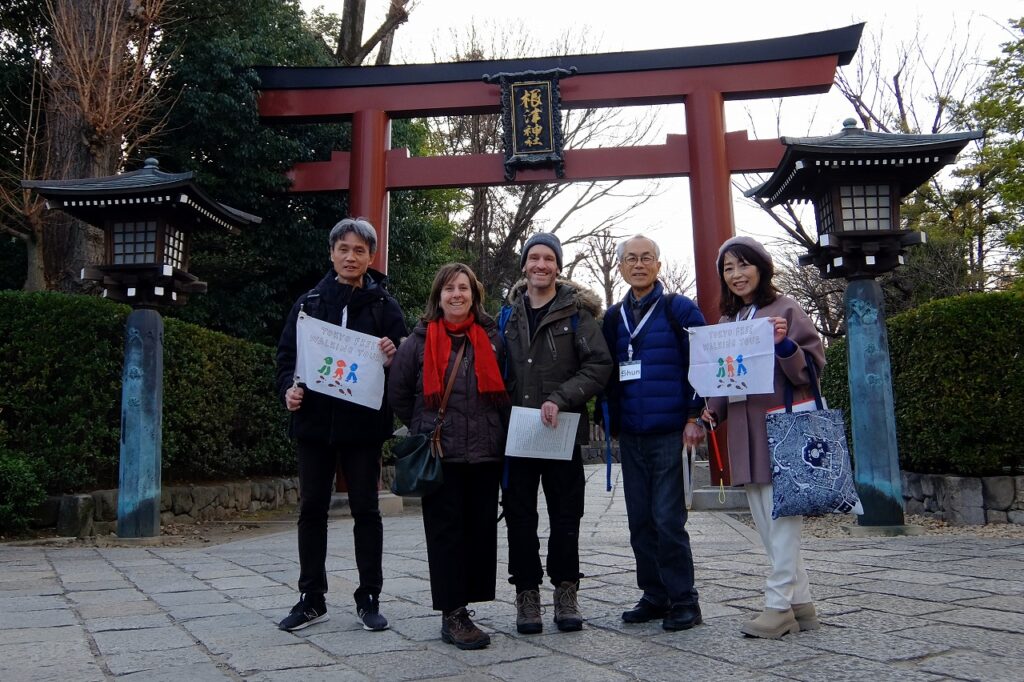
Thank you very much for joining our walking tours in Meiji Shrine and Yanaka/Nezu on January 18th, 2026.
We were delighted to welcome 17 wonderful guests from Australia, Germany, Brazil, the Netherlands, Switzerland, China, Korea, and the U.K. It was a great pleasure to spend time with you, sharing lively conversations while exploring the history and charm of Meiji Shrine and Yanaka/Nezu together. We sincerely hope that each of you found something memorable along the way.
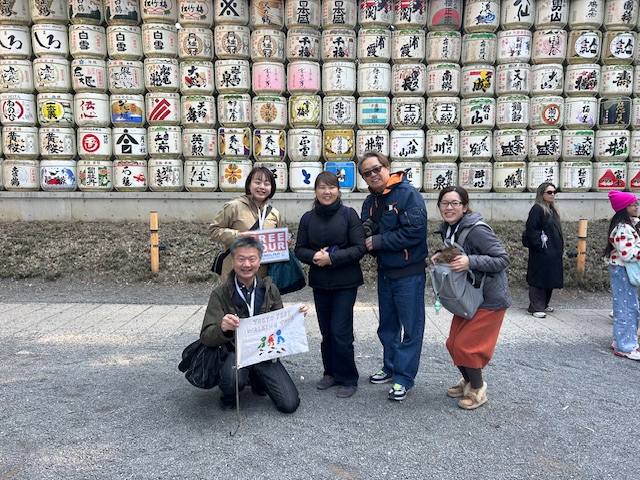
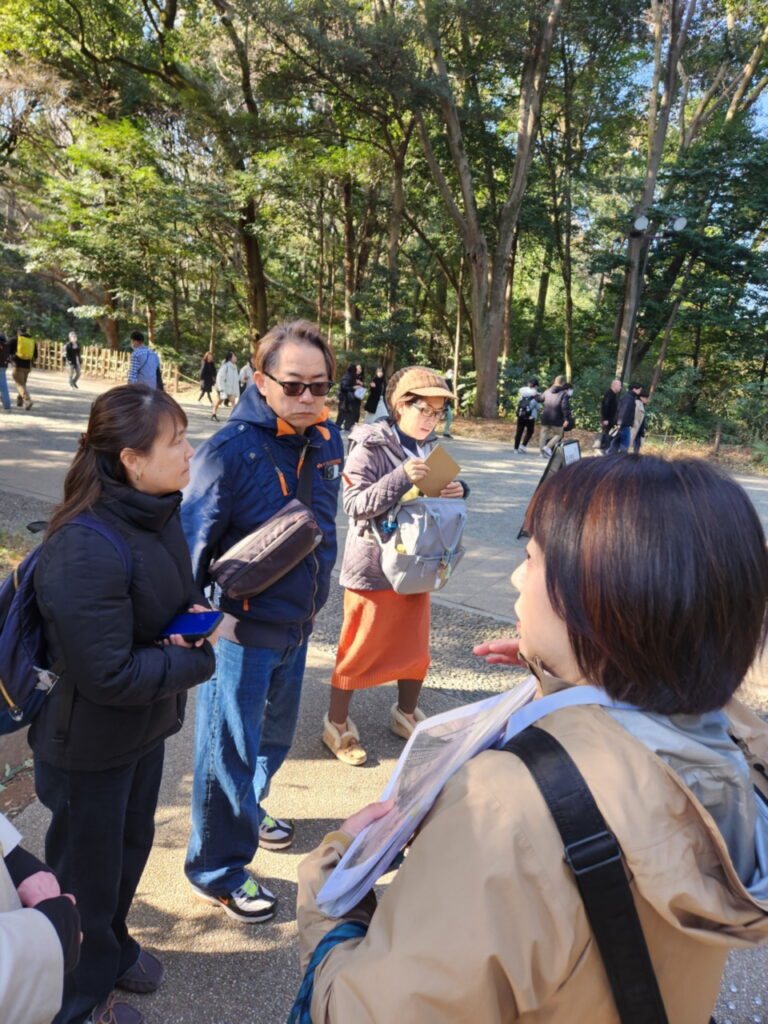
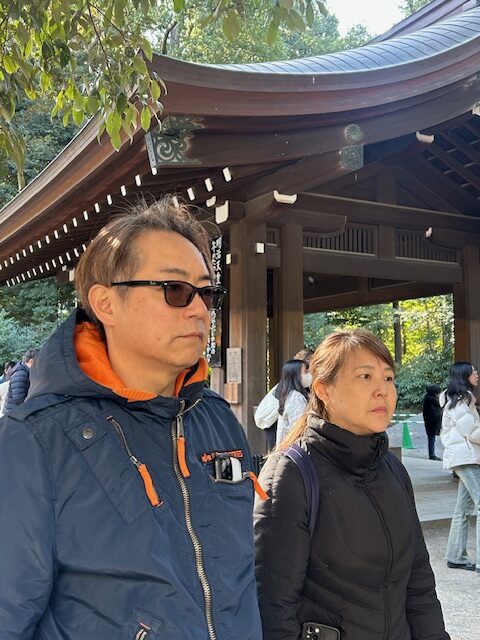
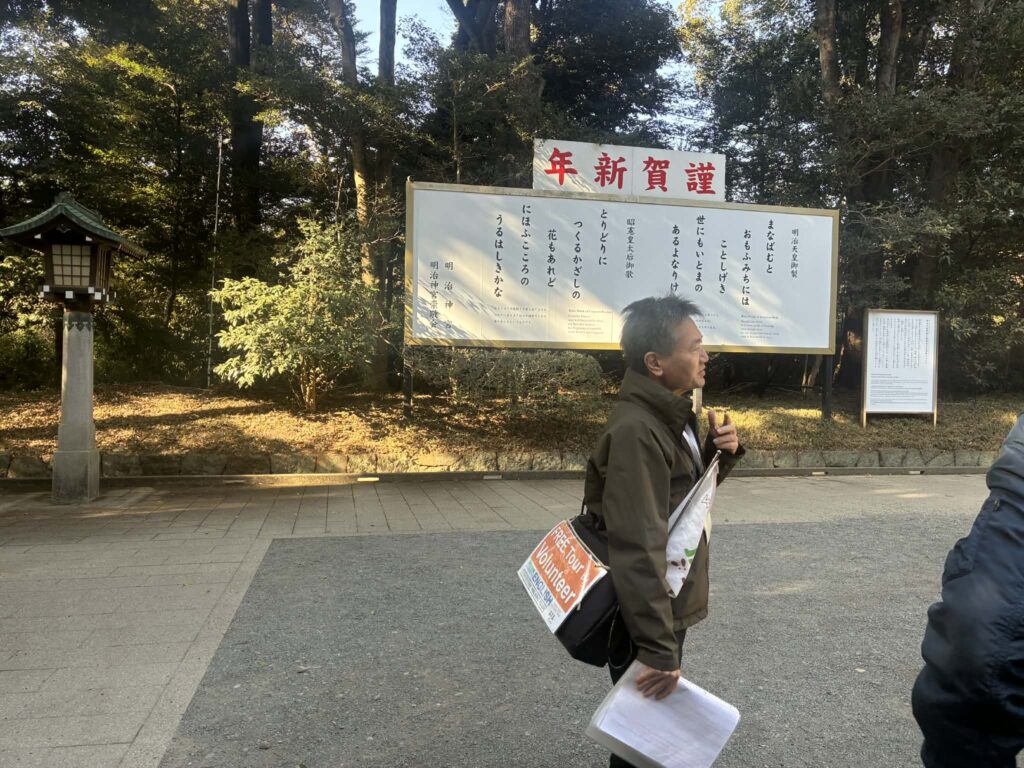
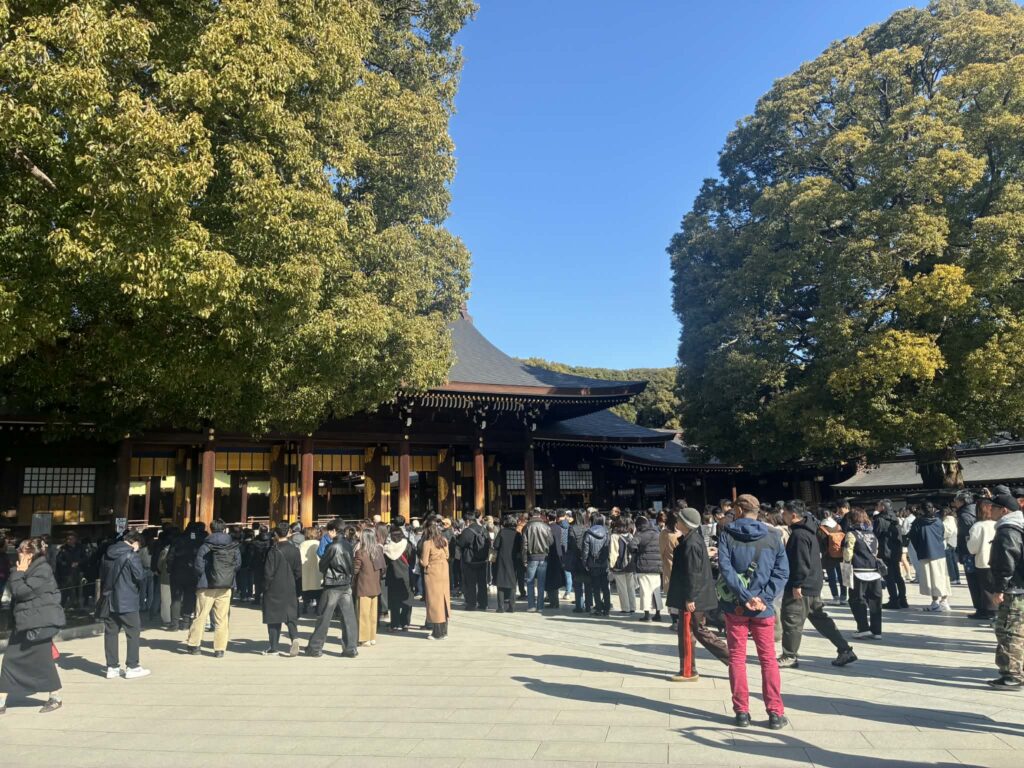
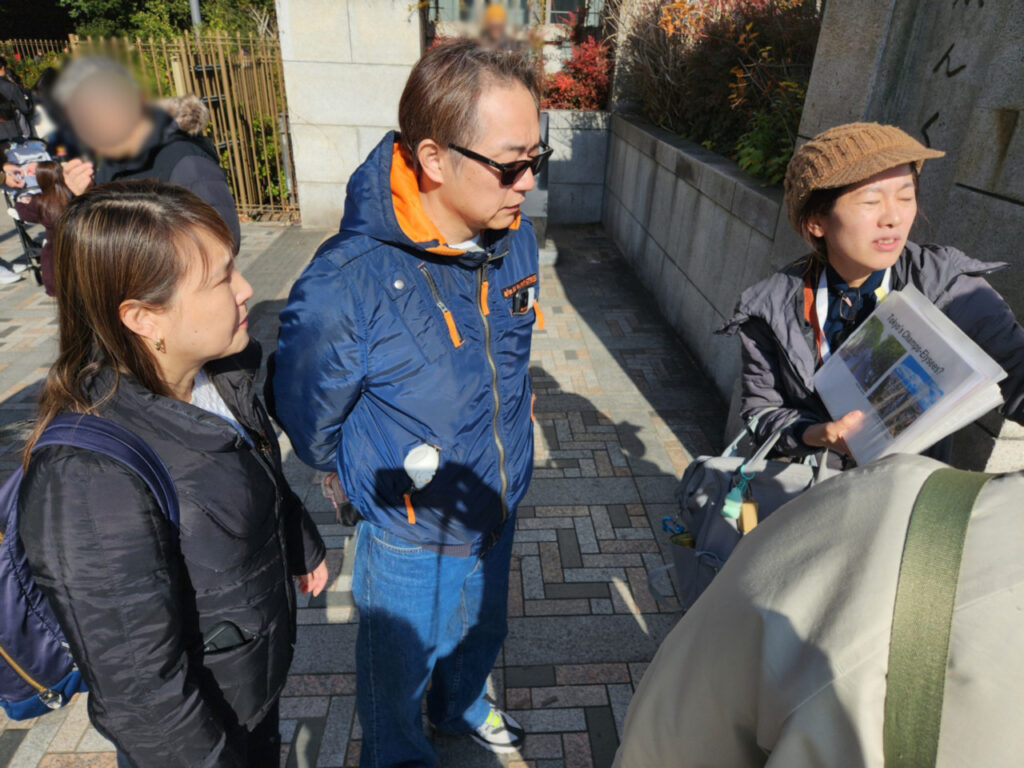
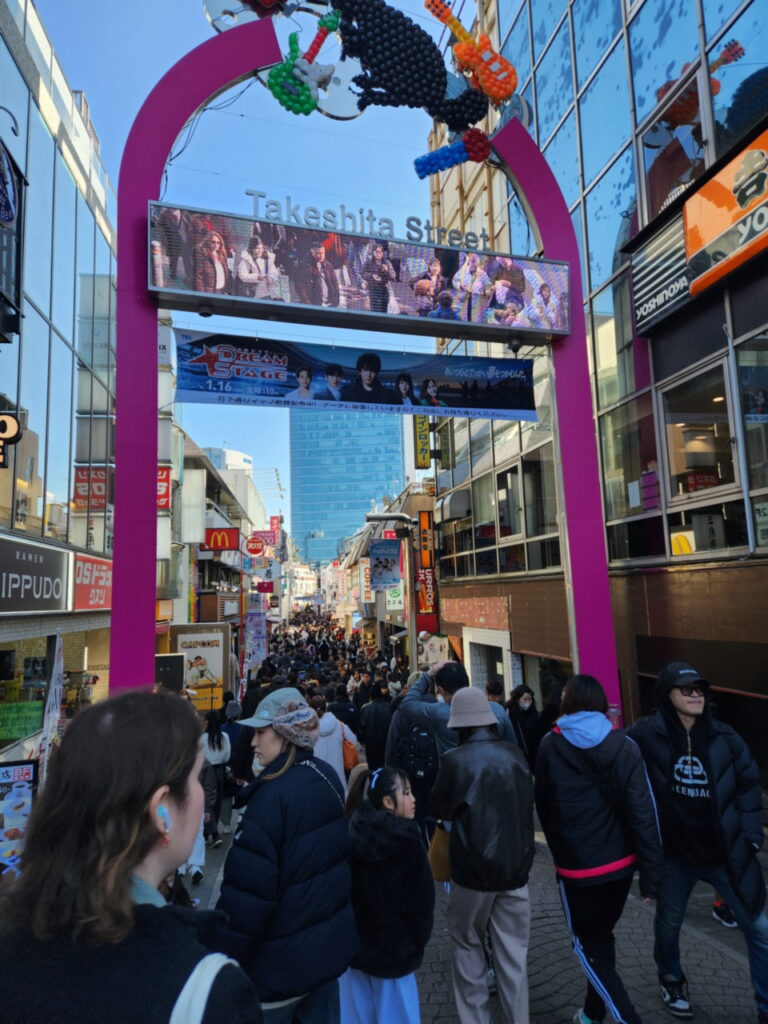
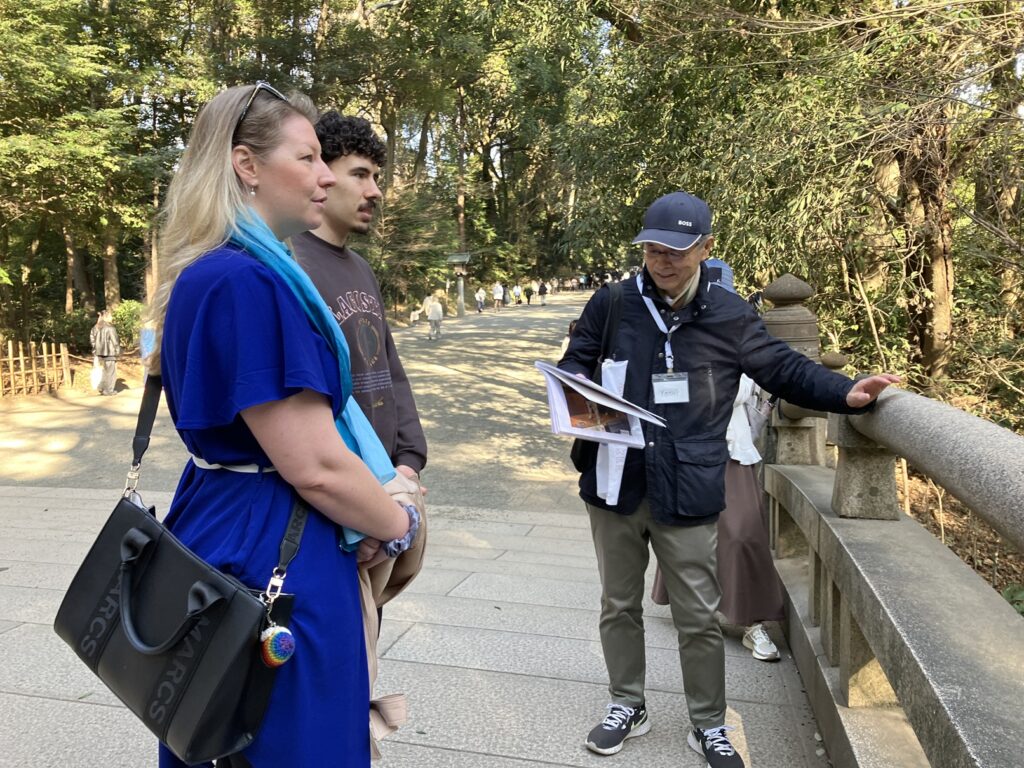
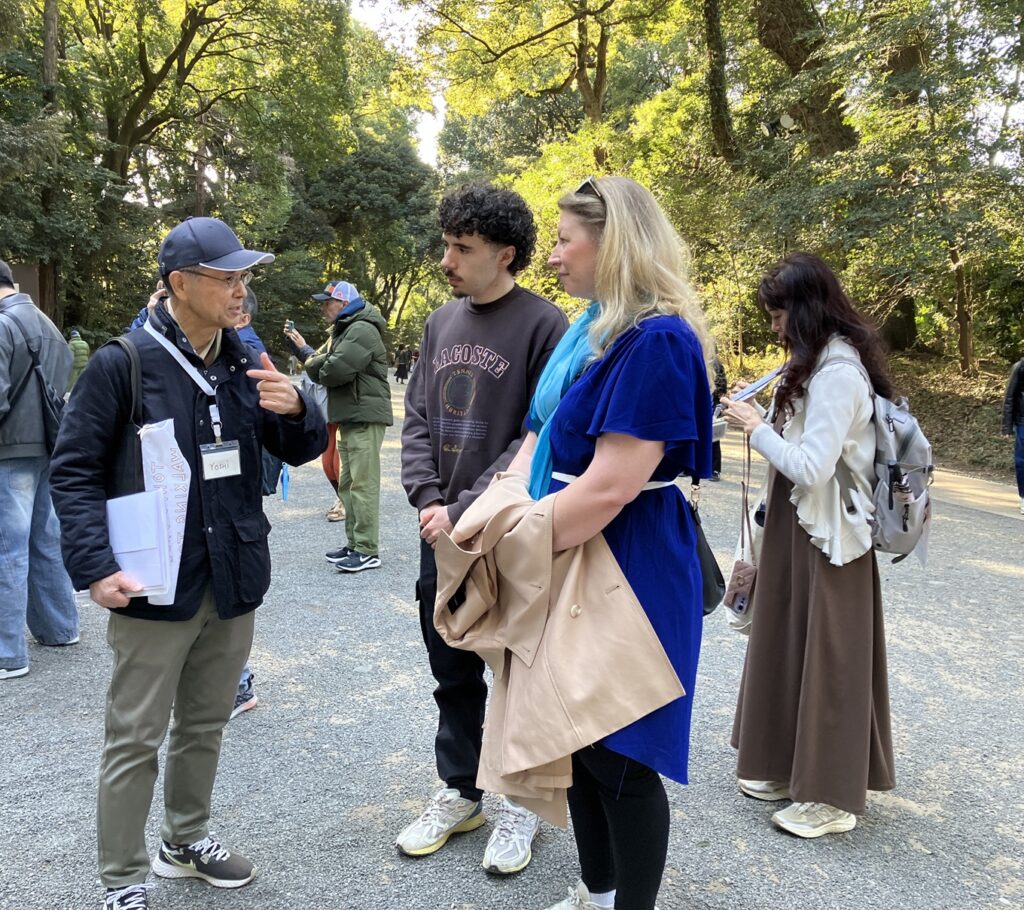
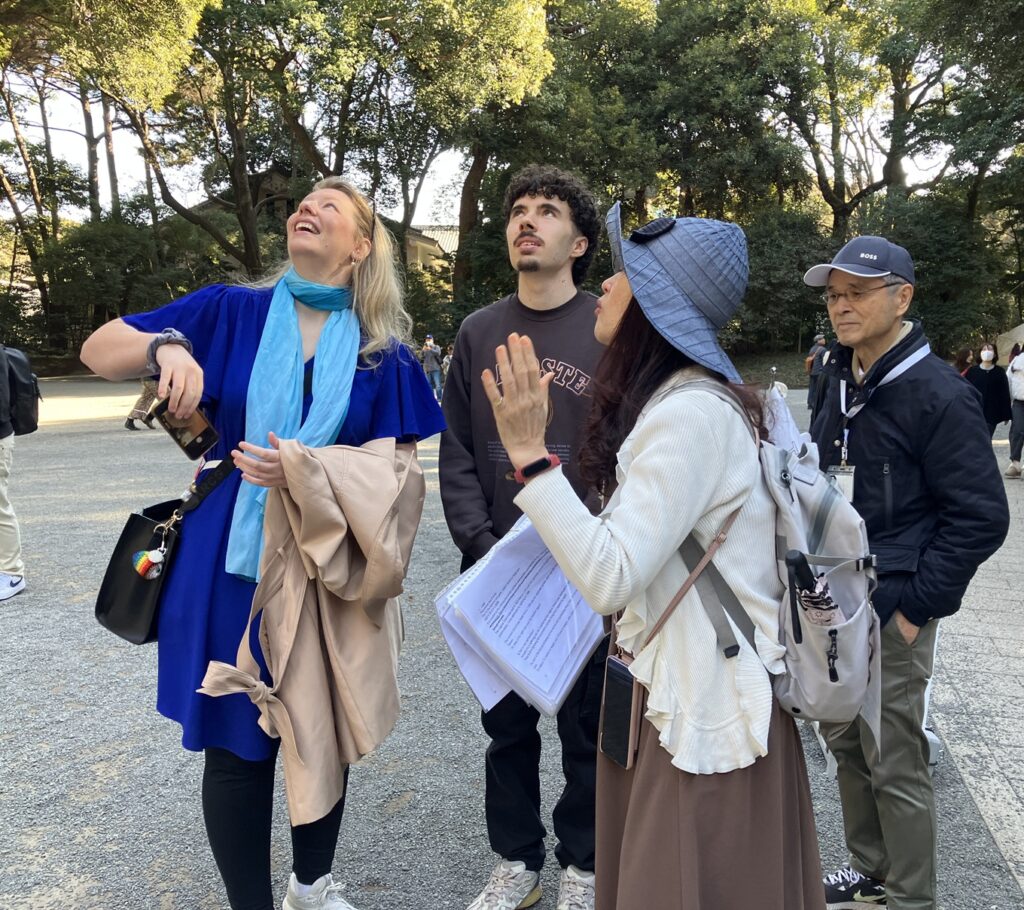
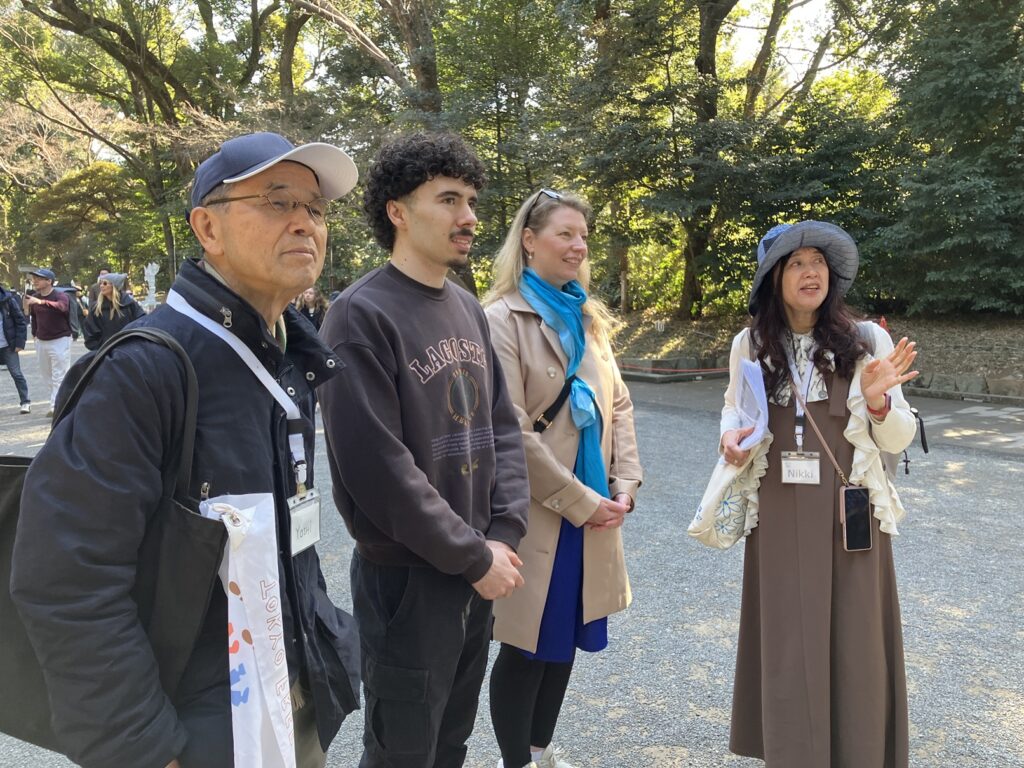
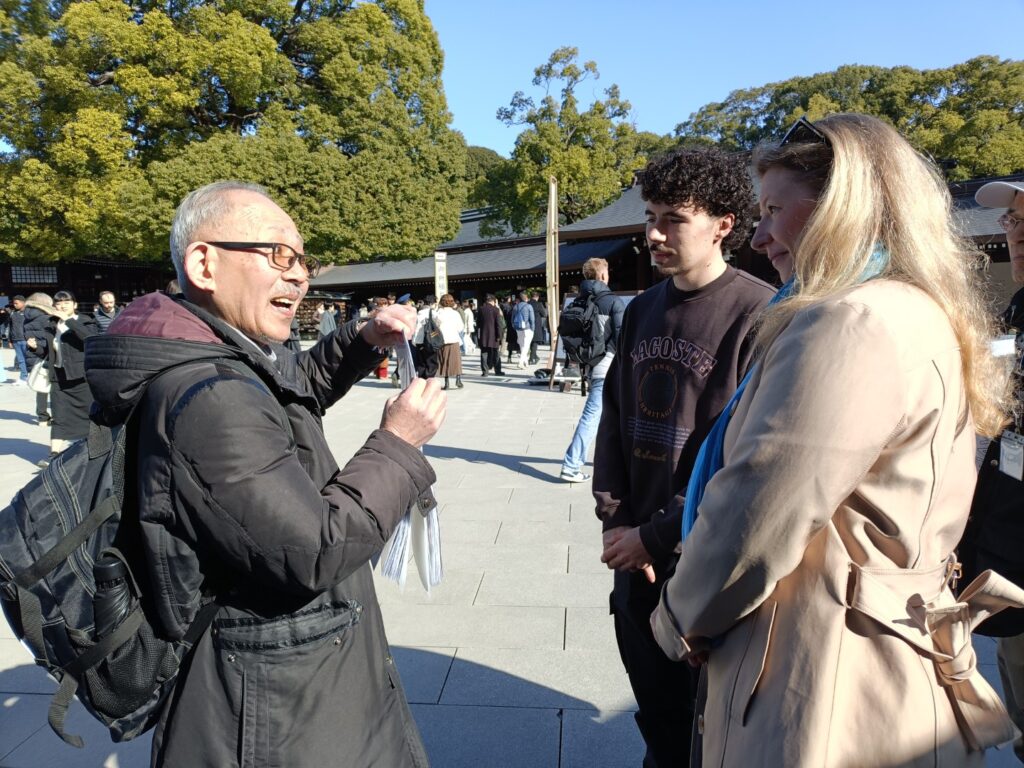
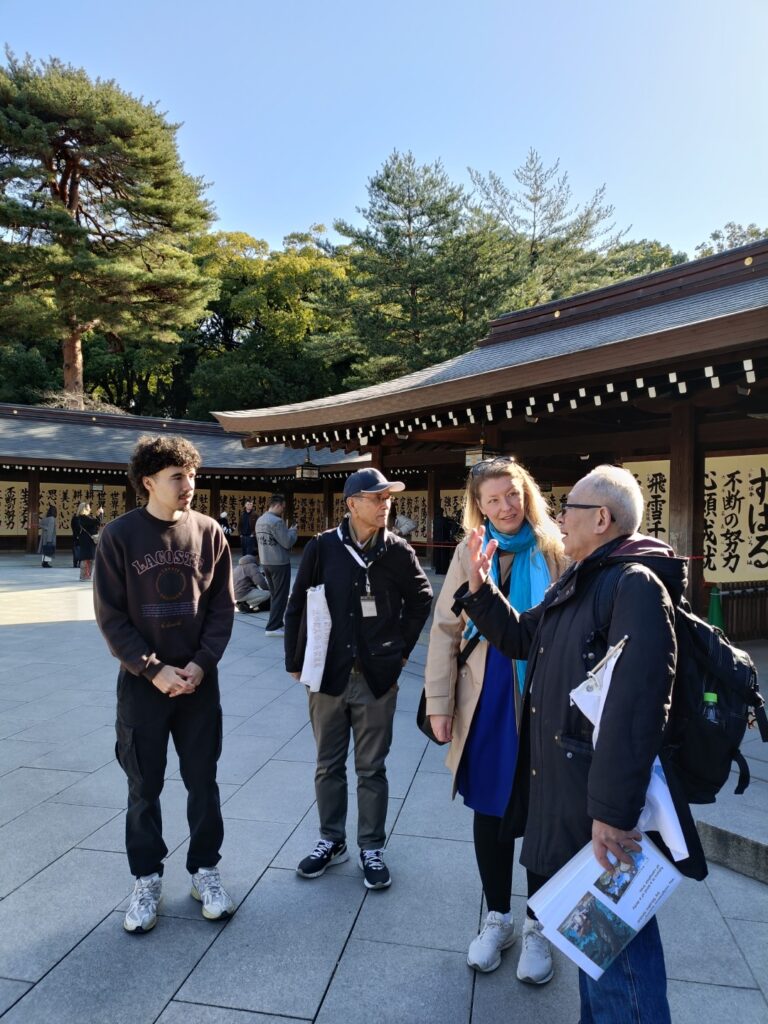
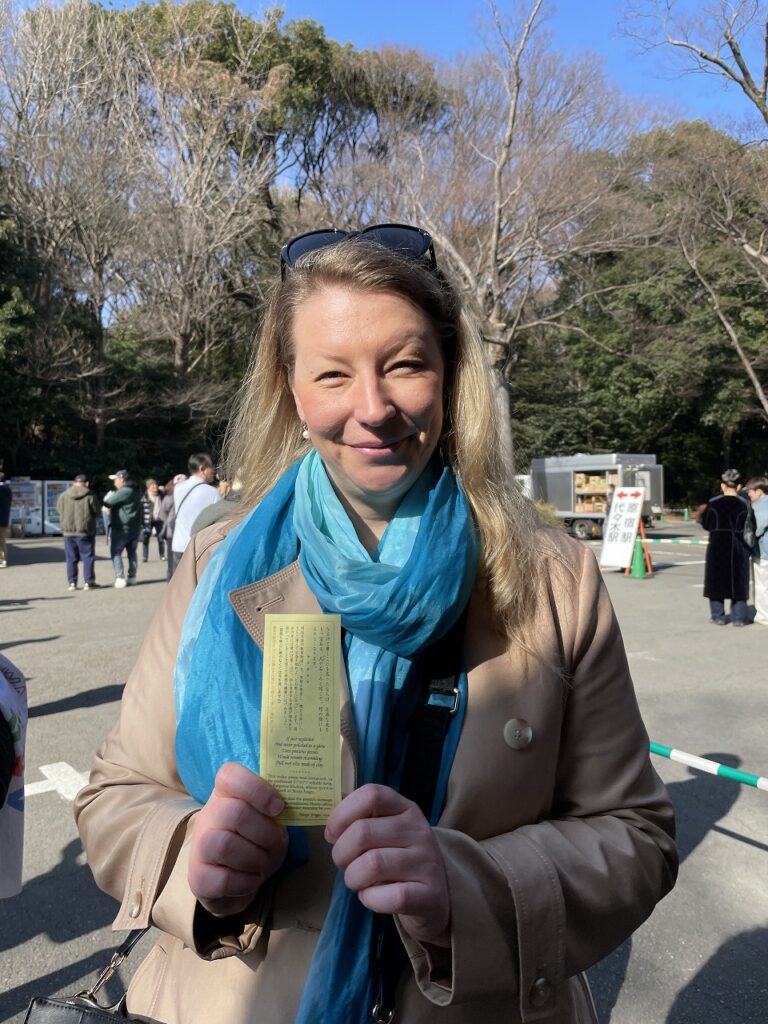
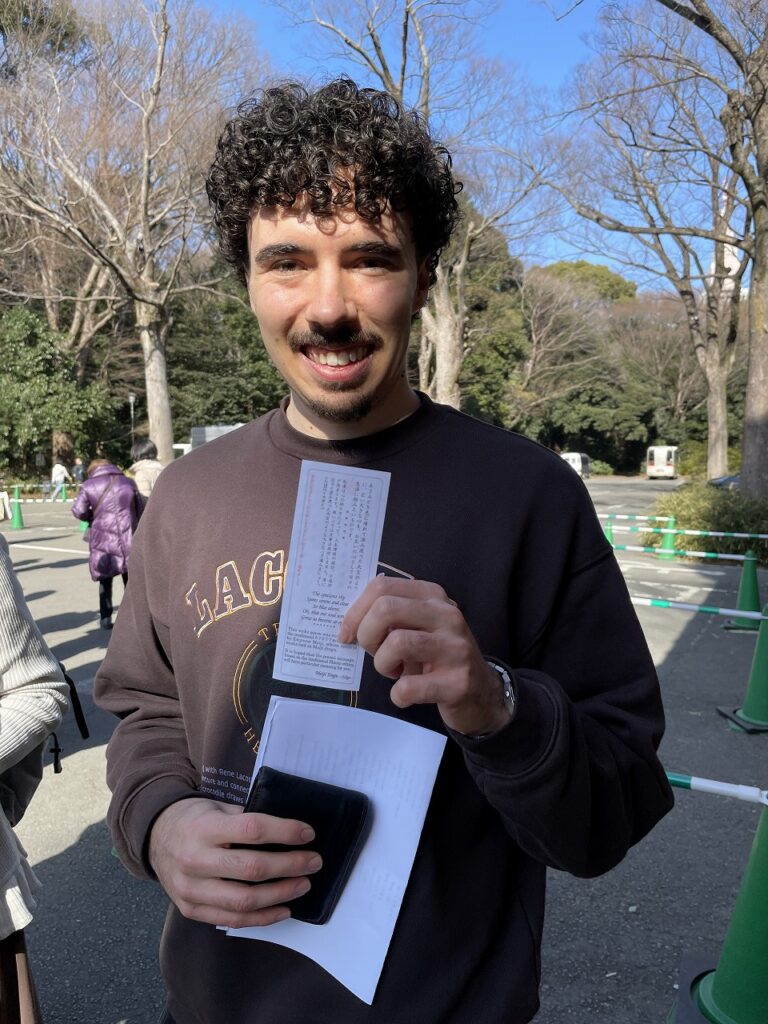
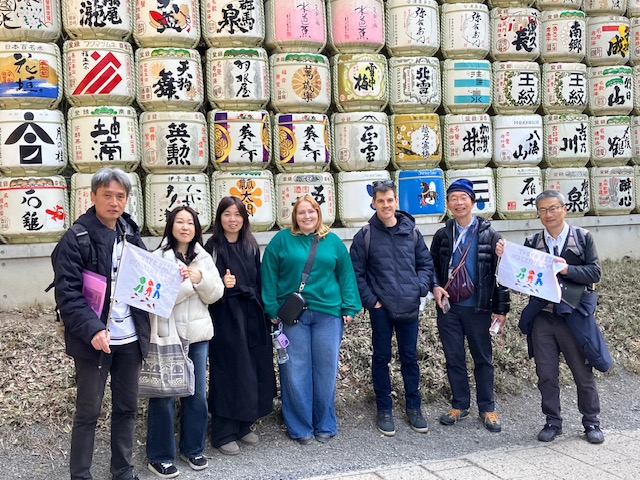
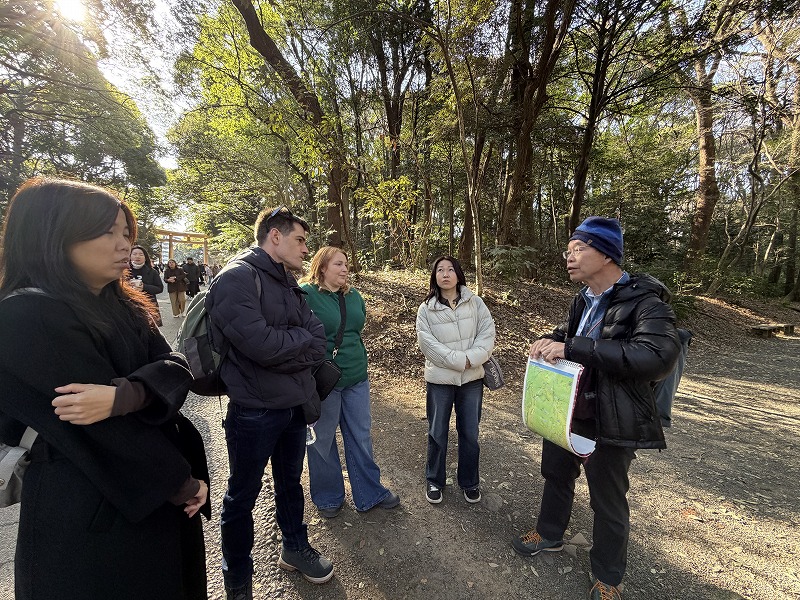
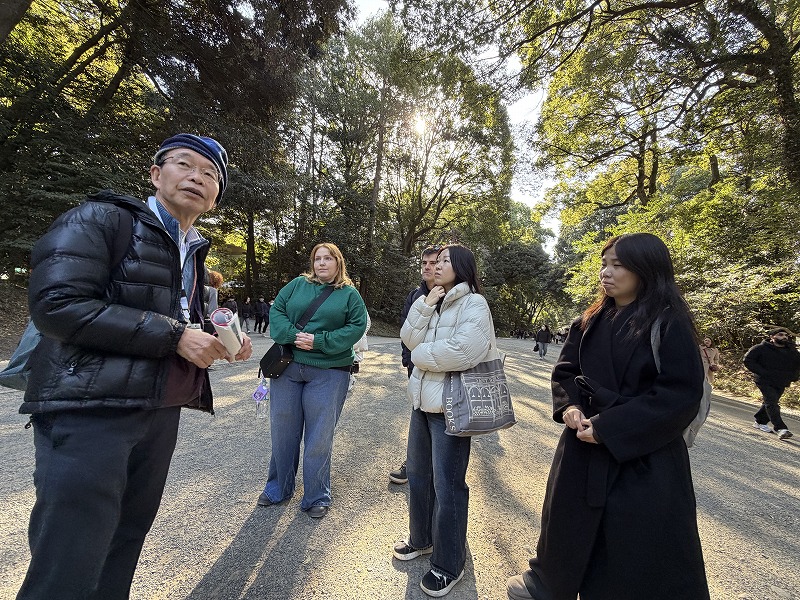
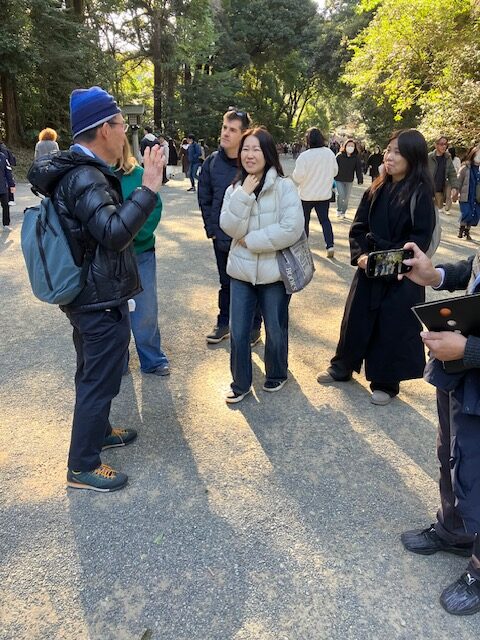
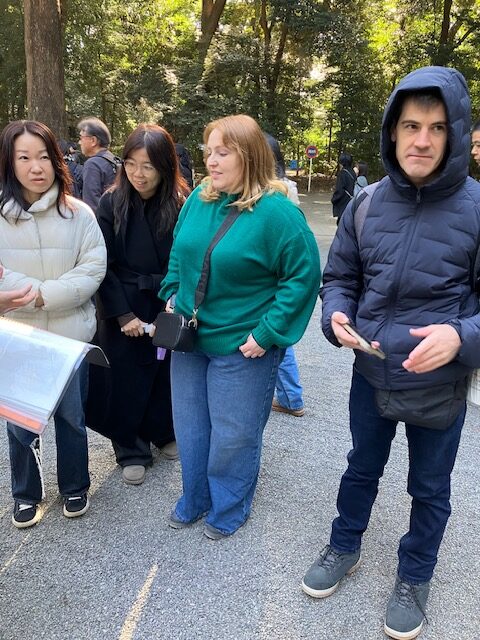
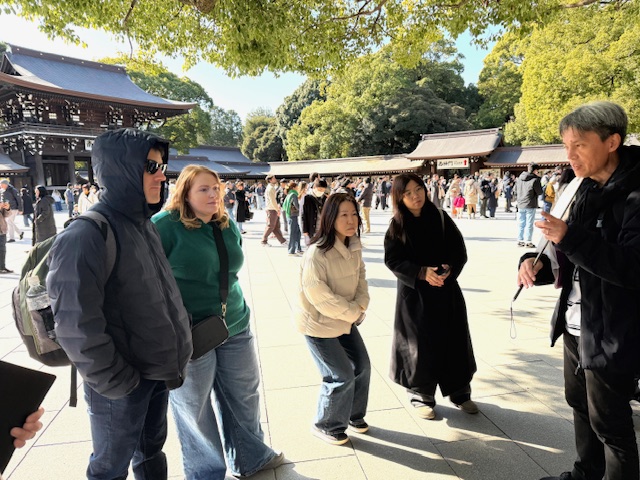
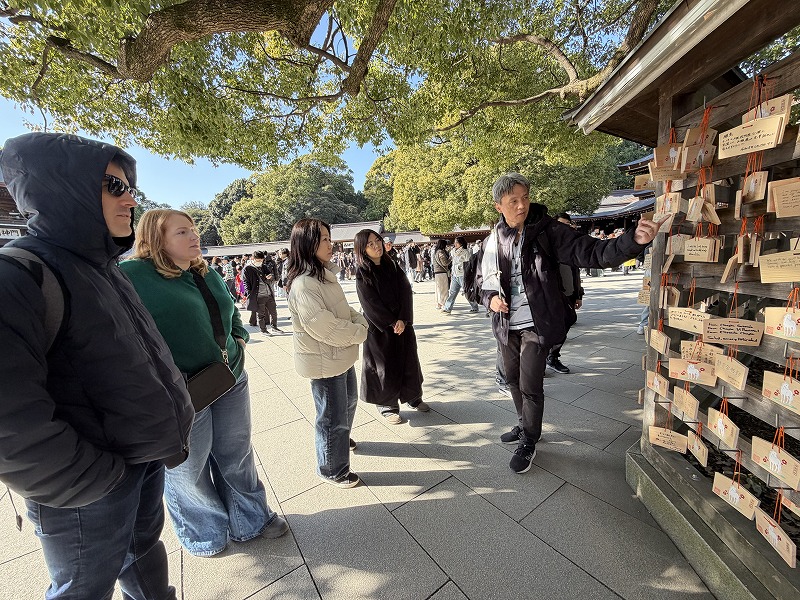
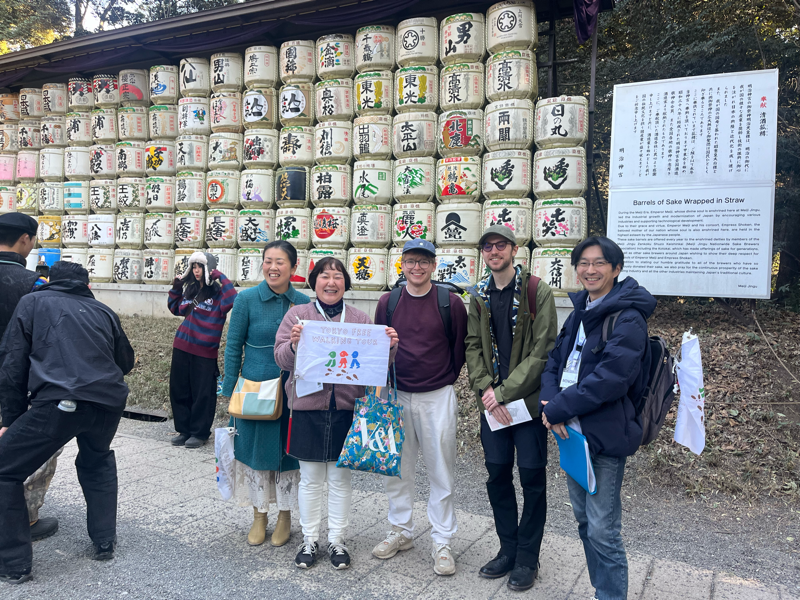
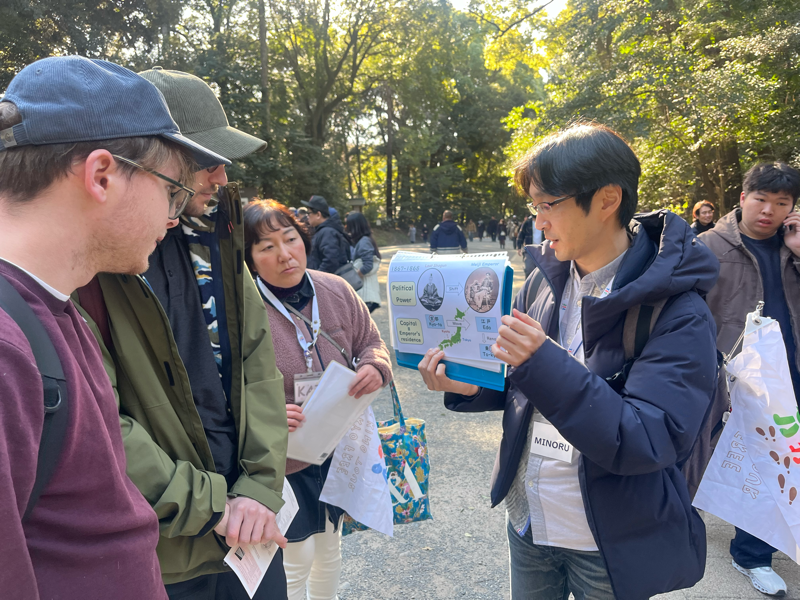
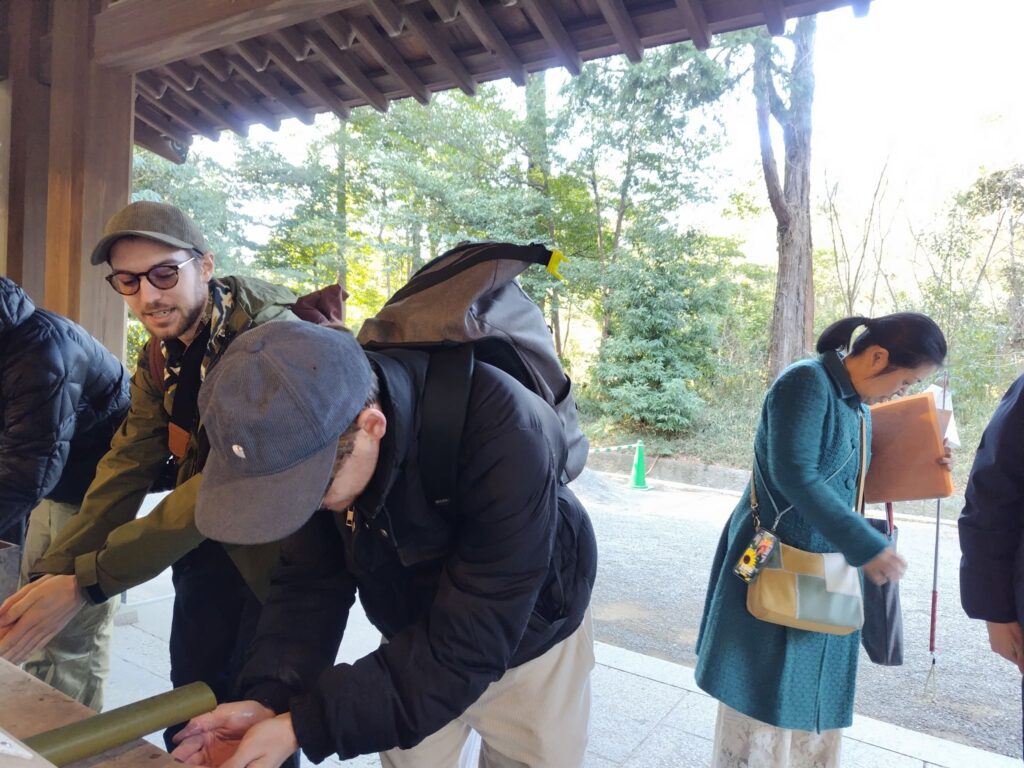
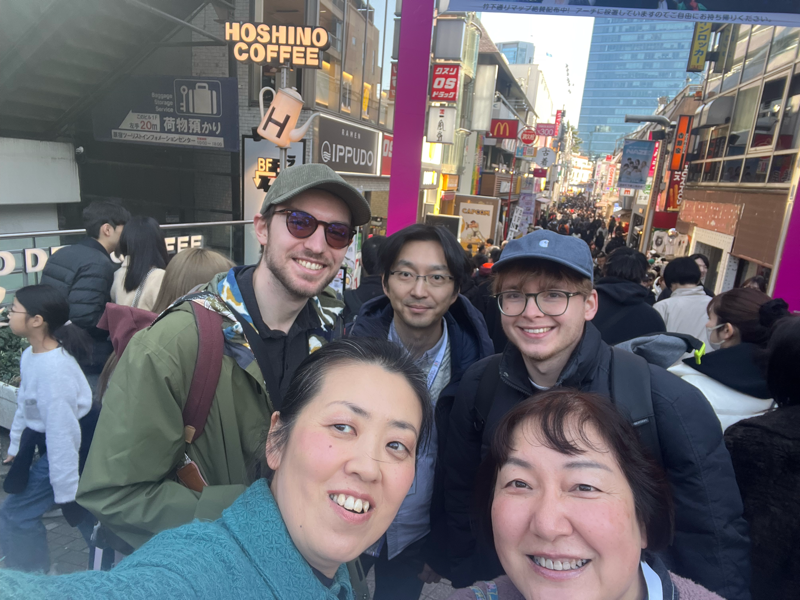
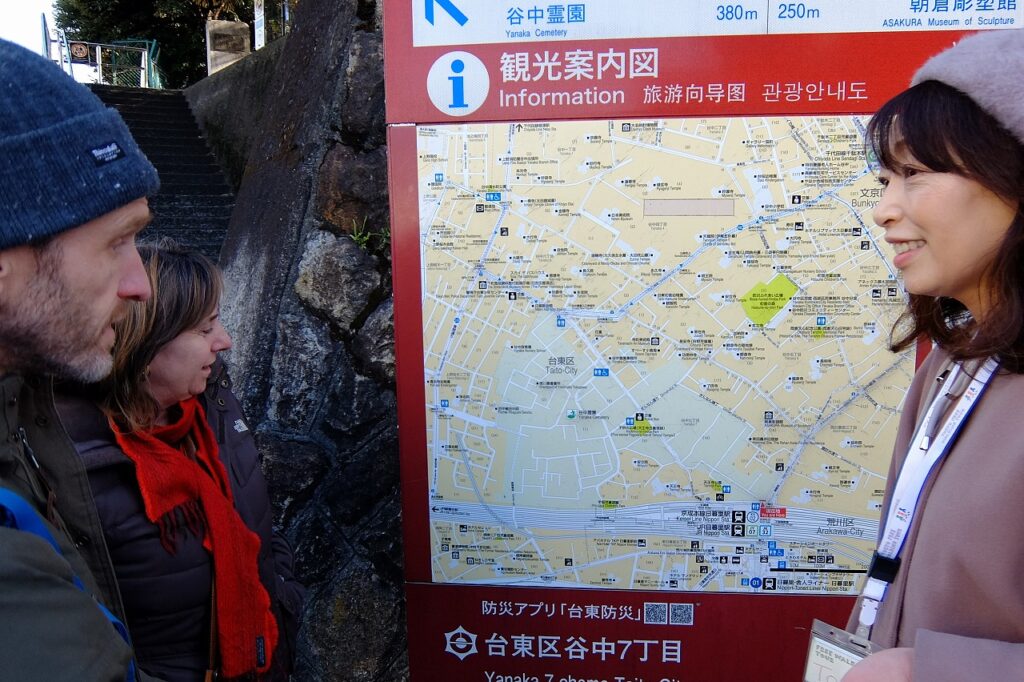
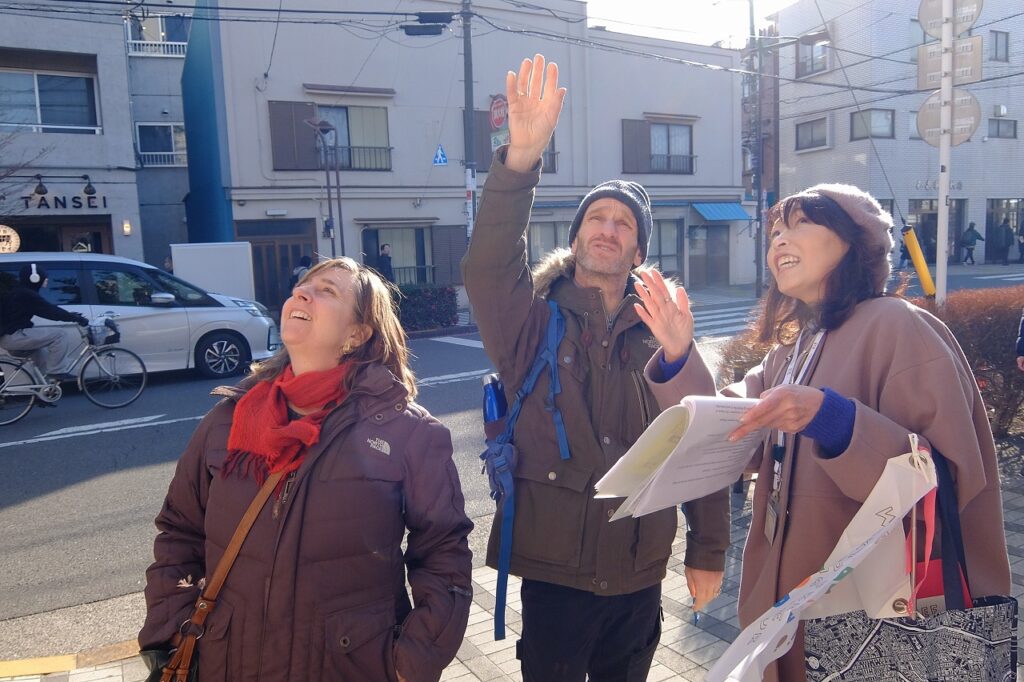
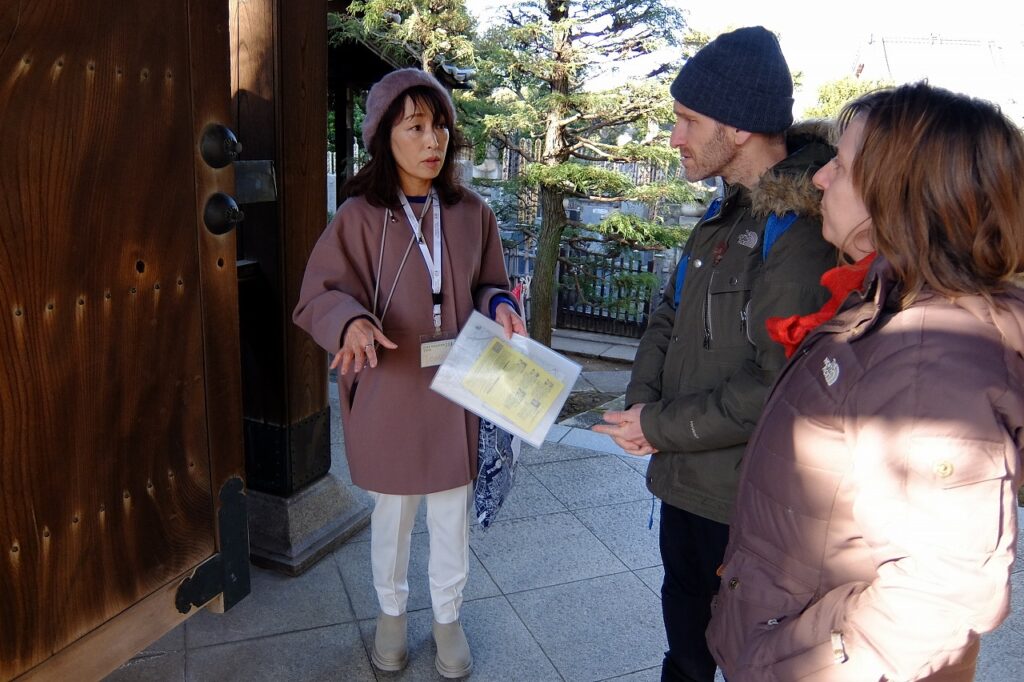
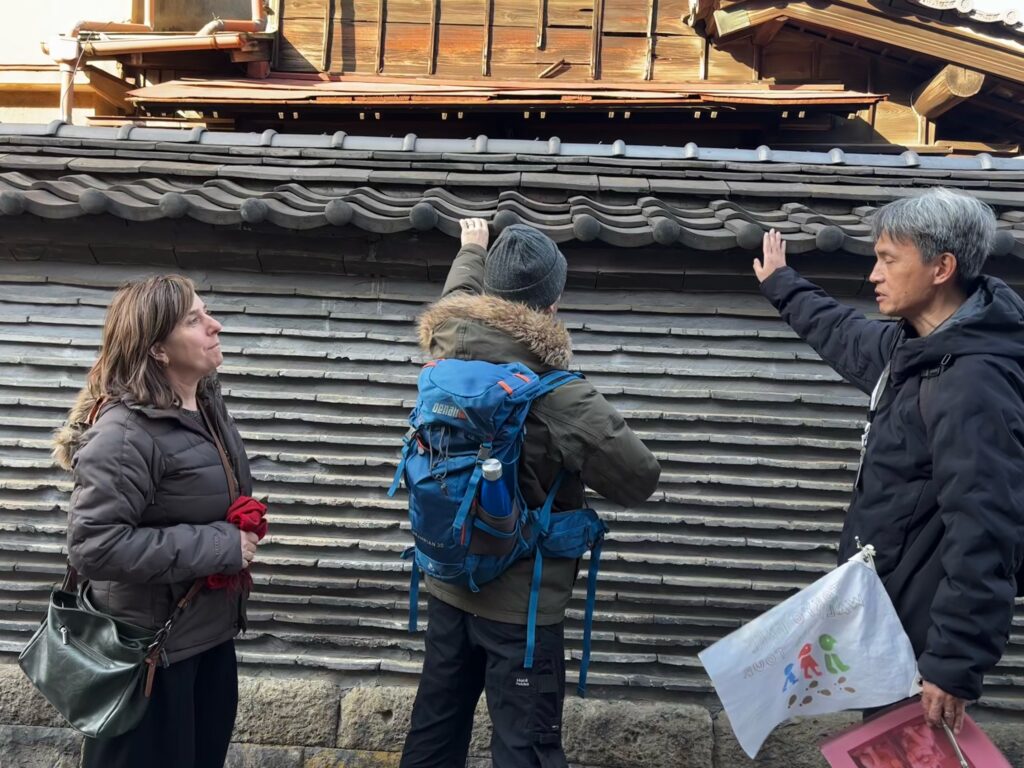
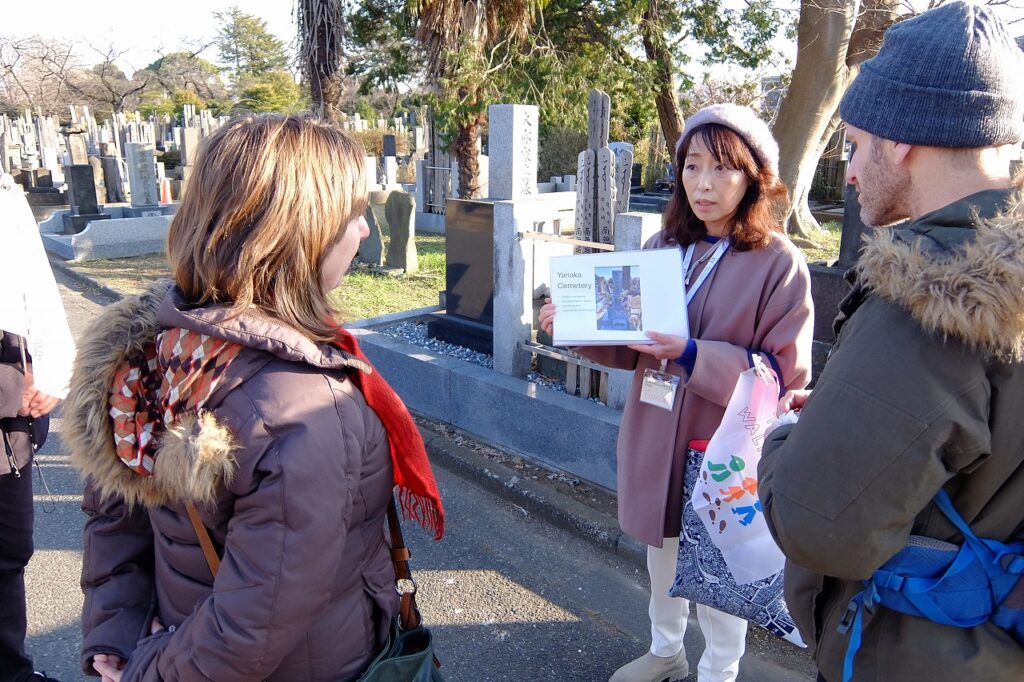
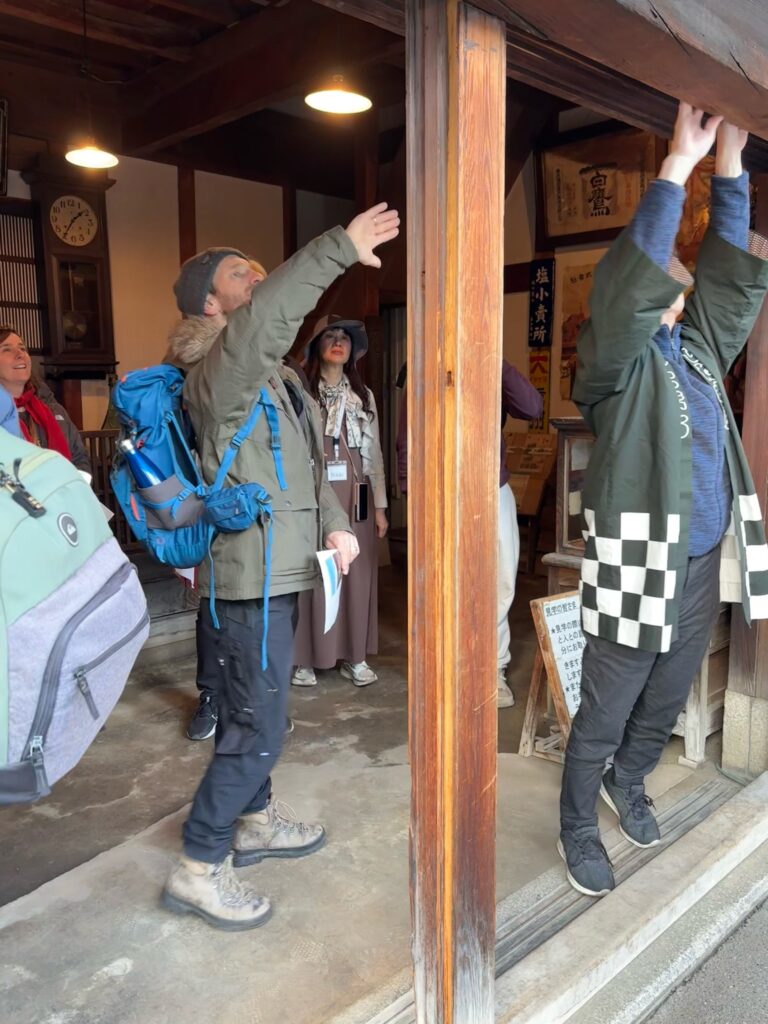
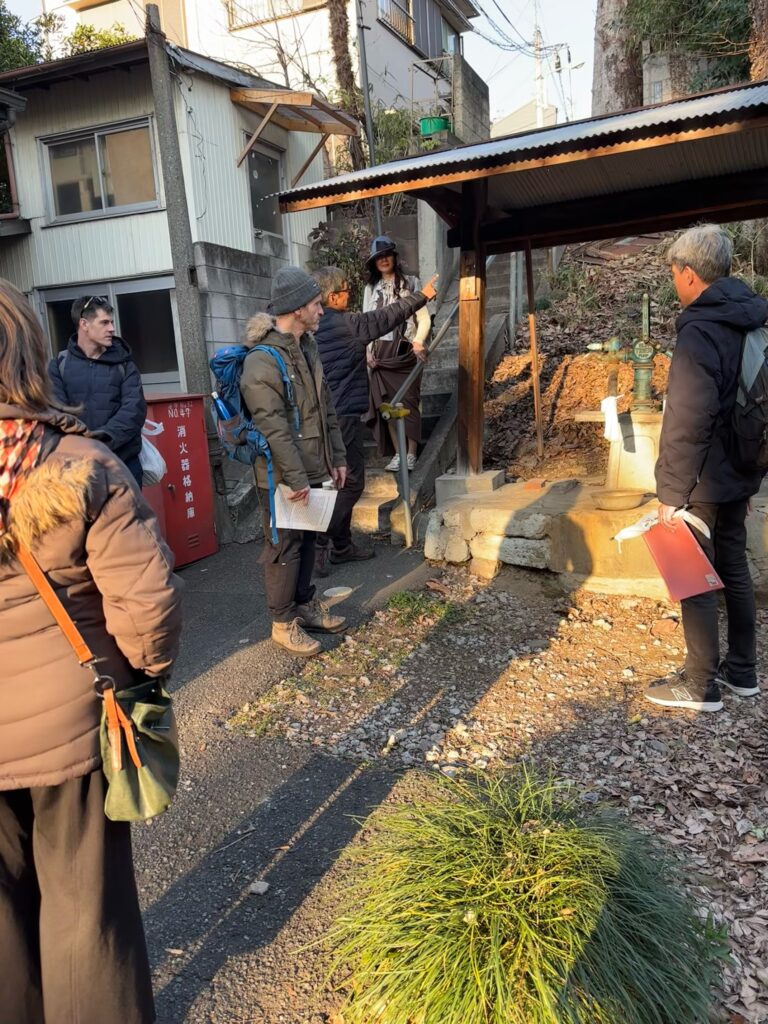
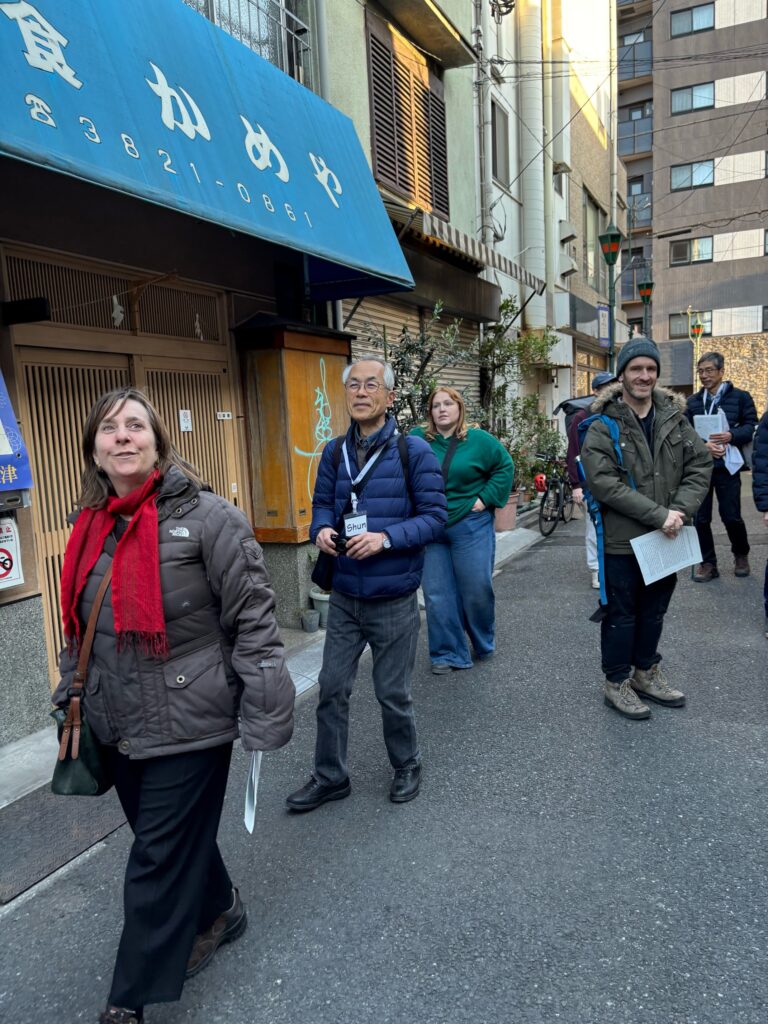
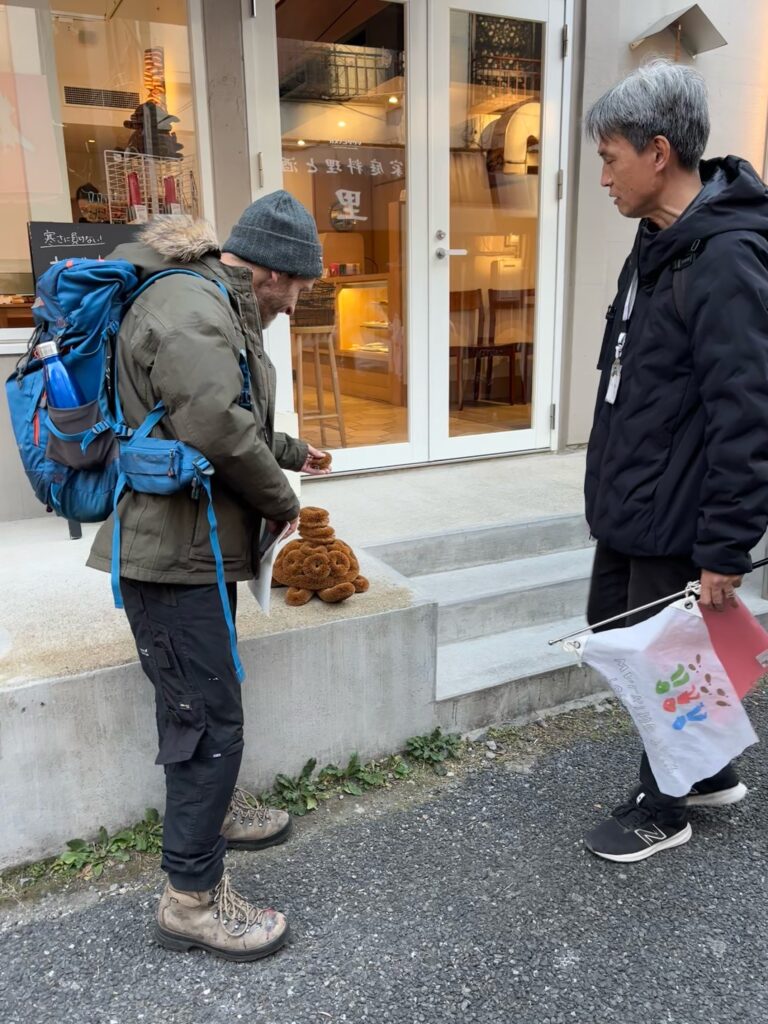
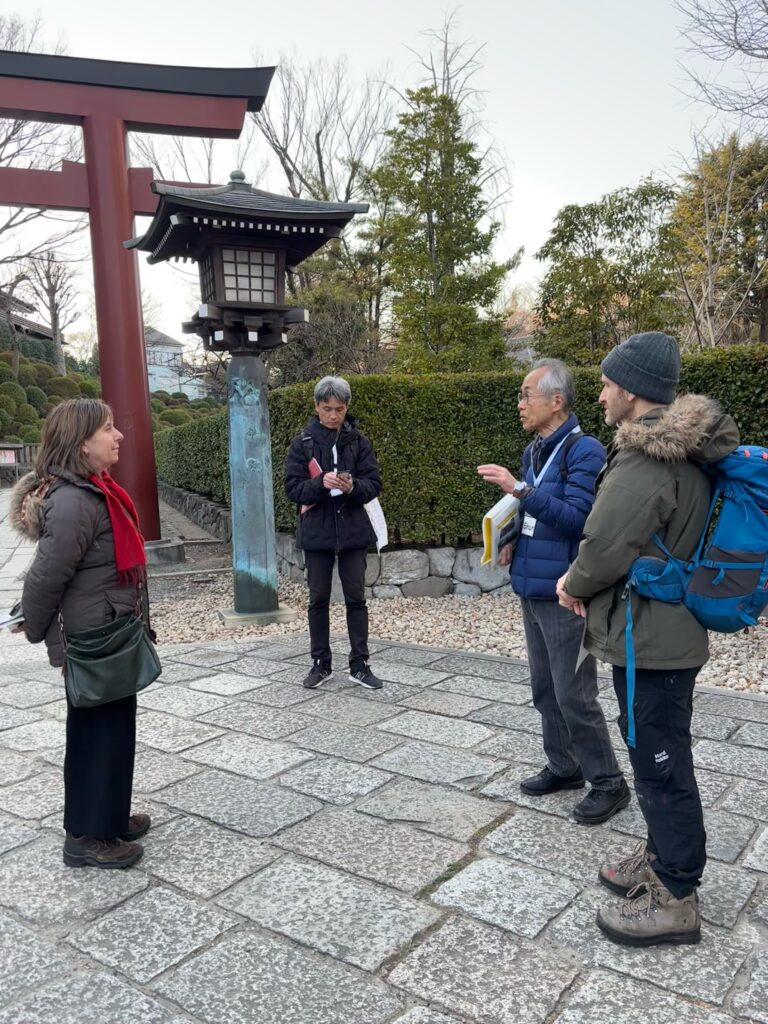
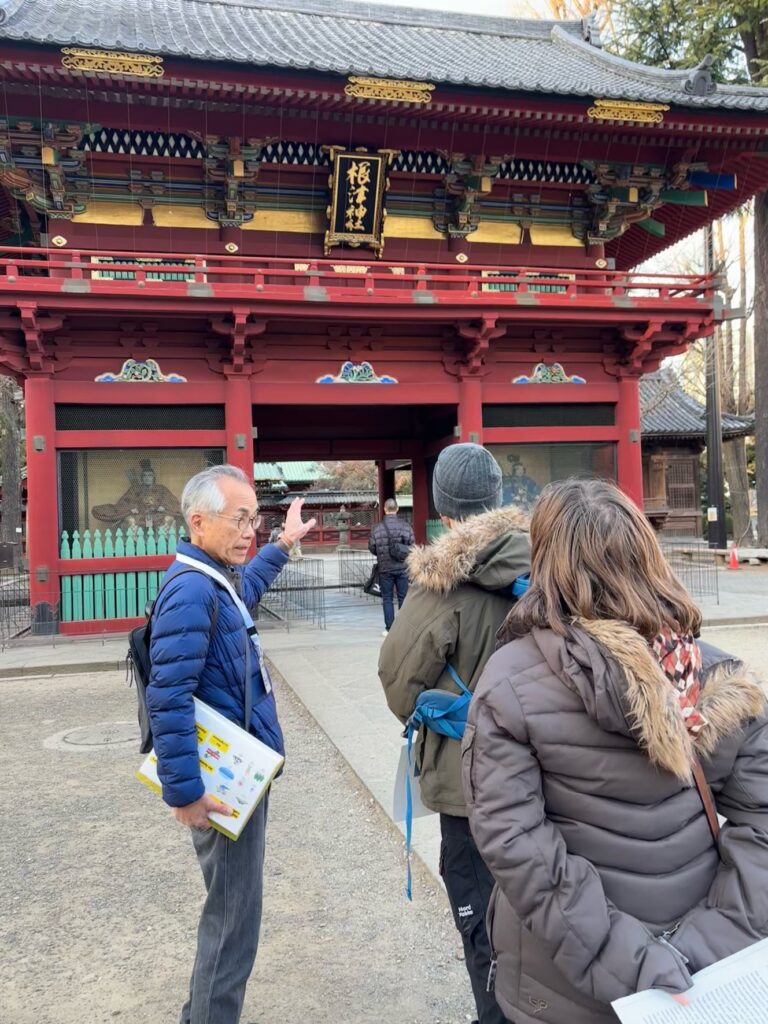
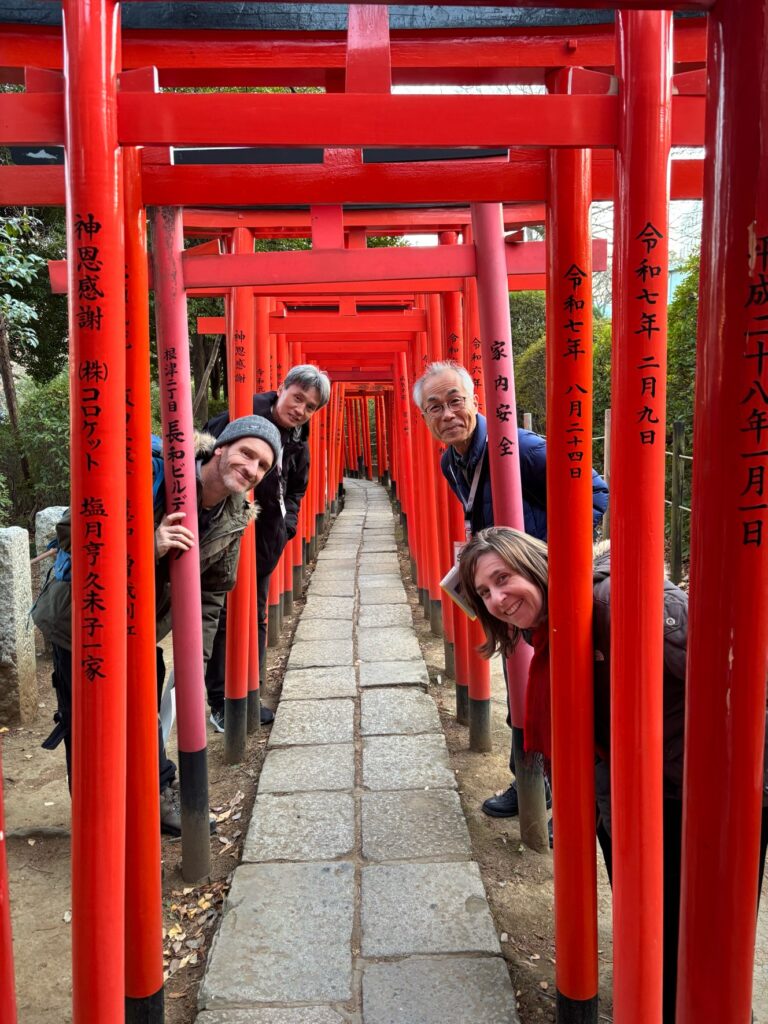
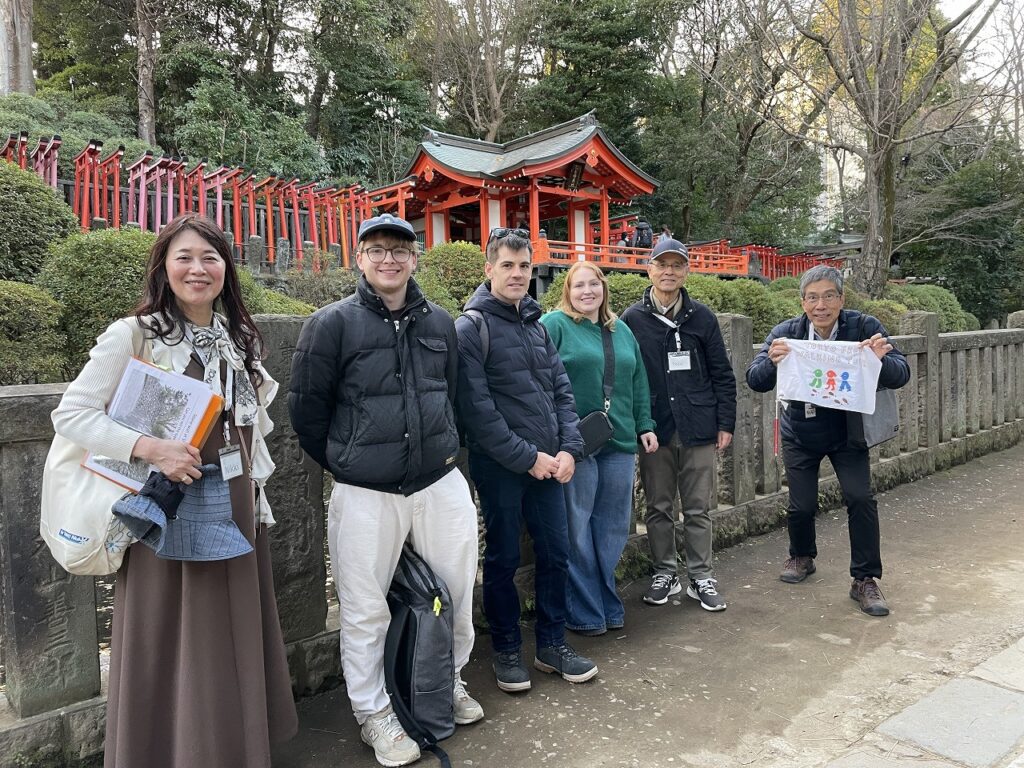
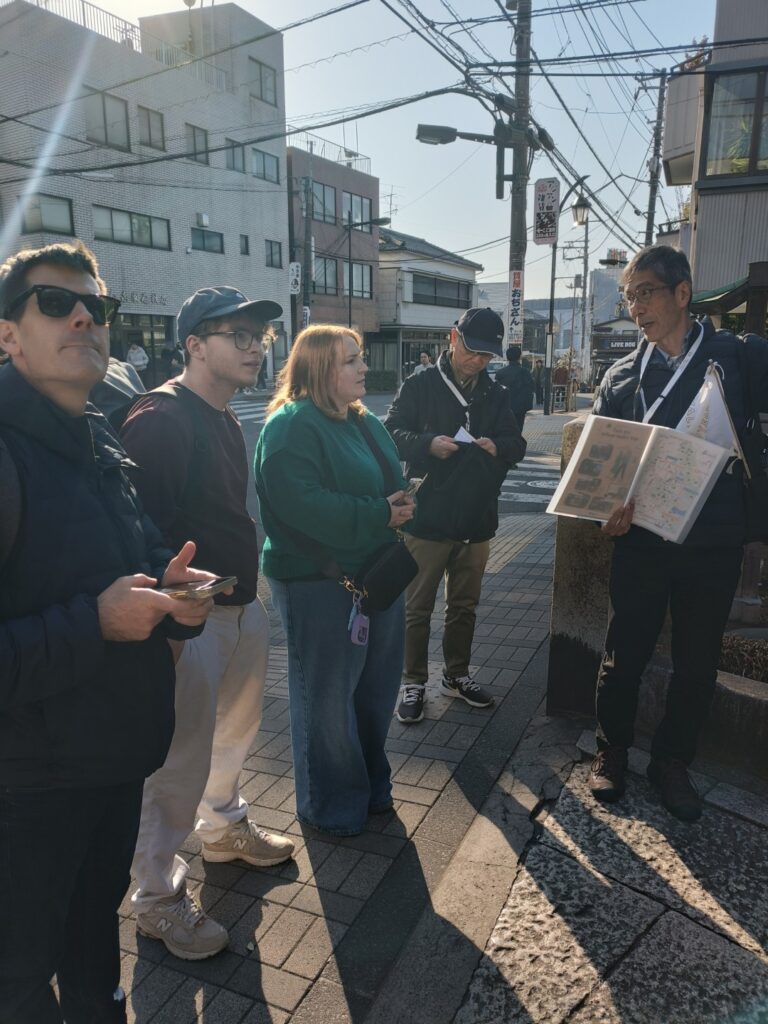
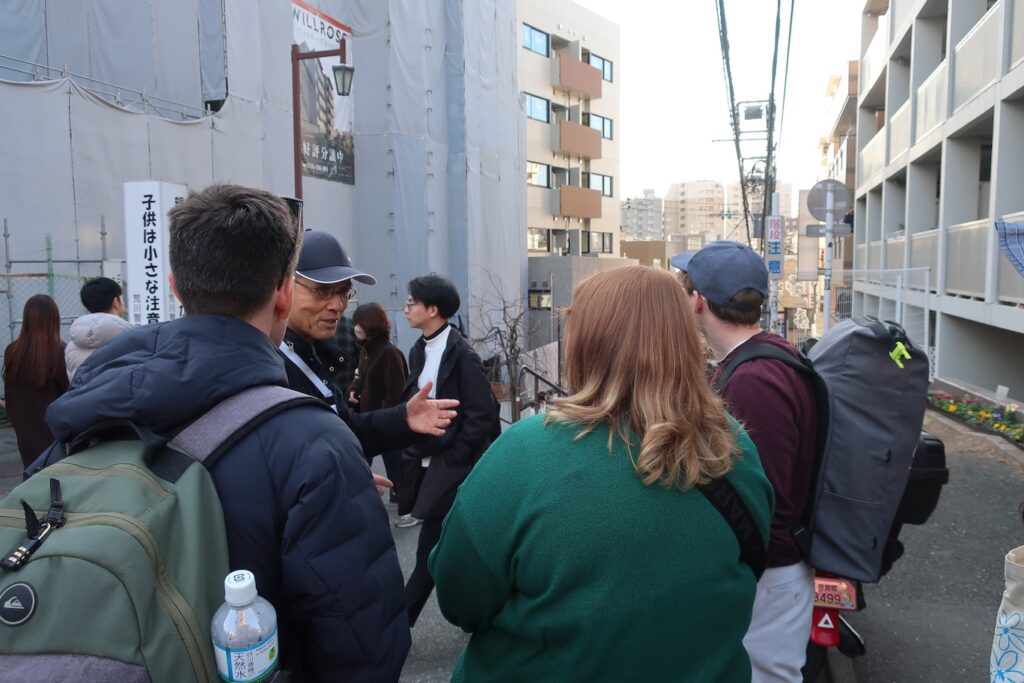
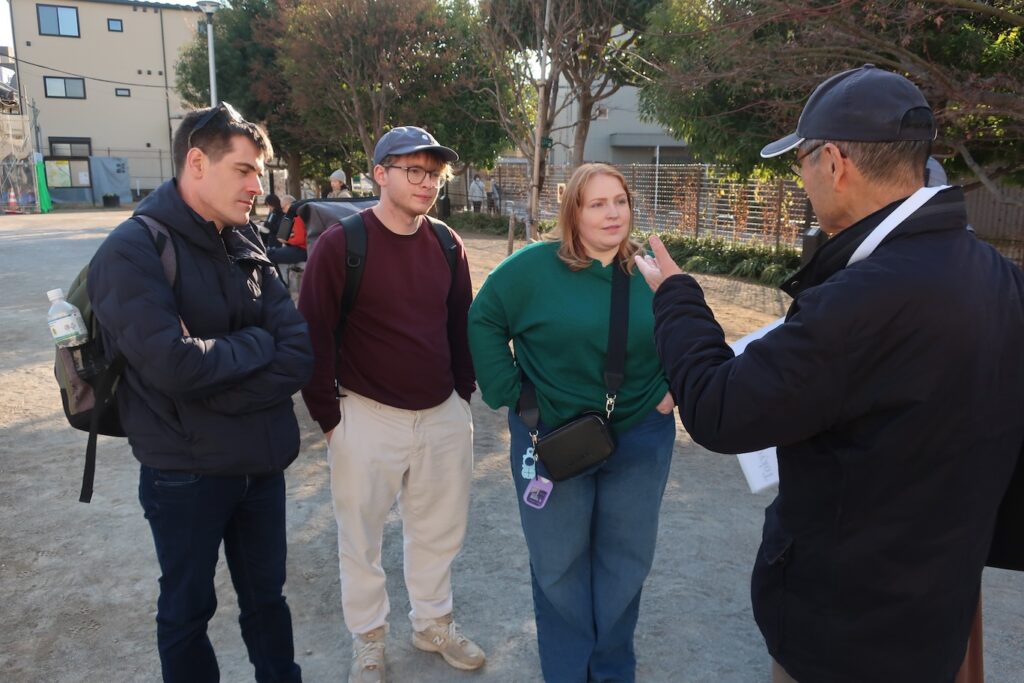
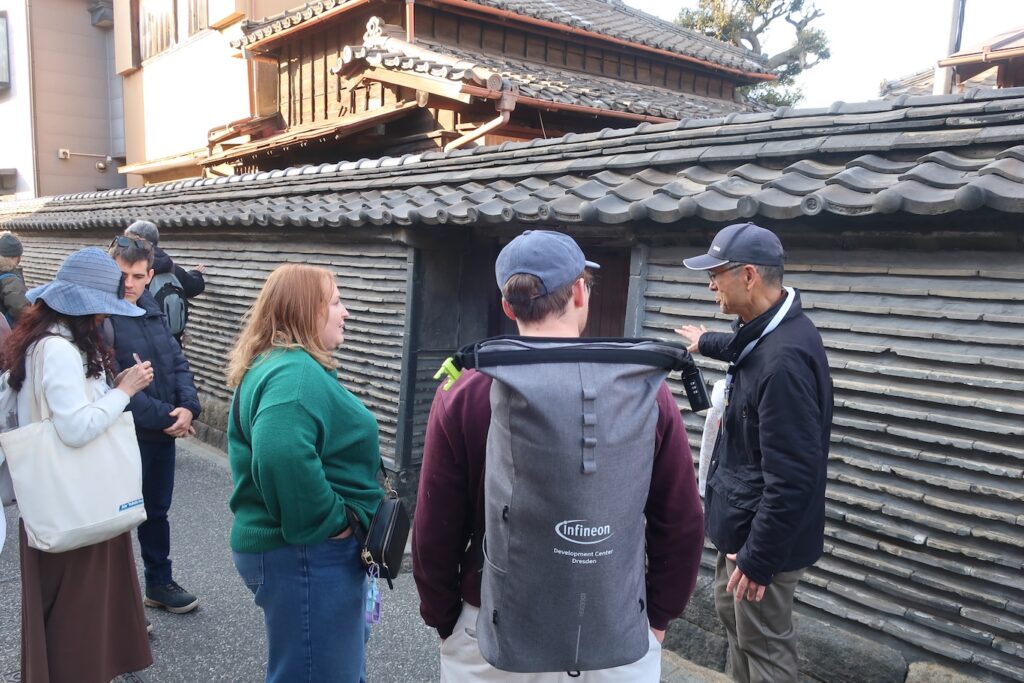
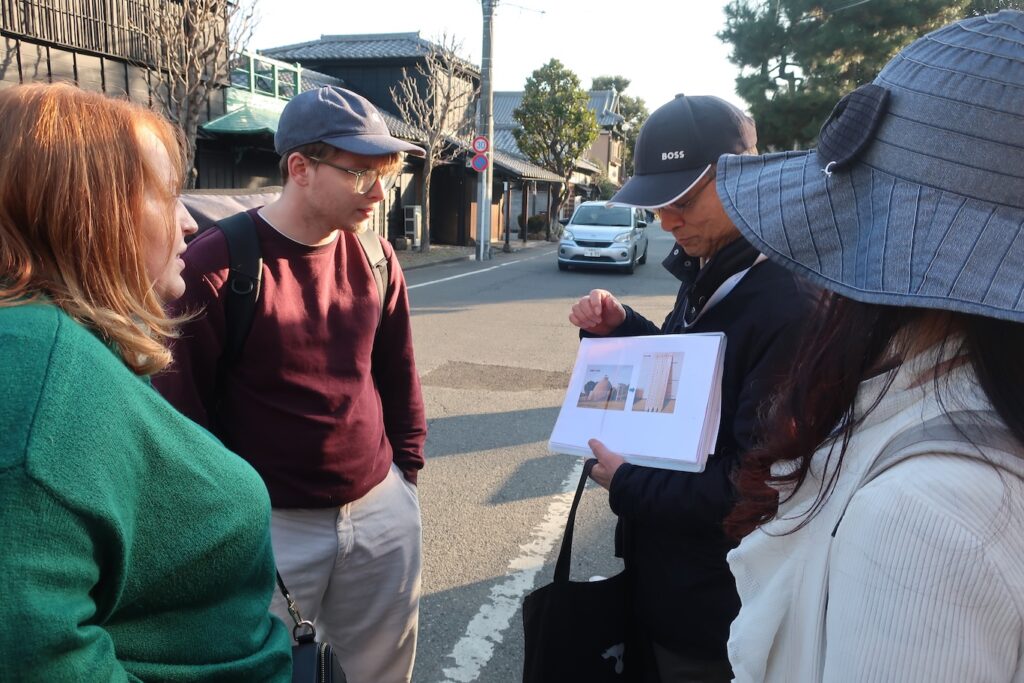
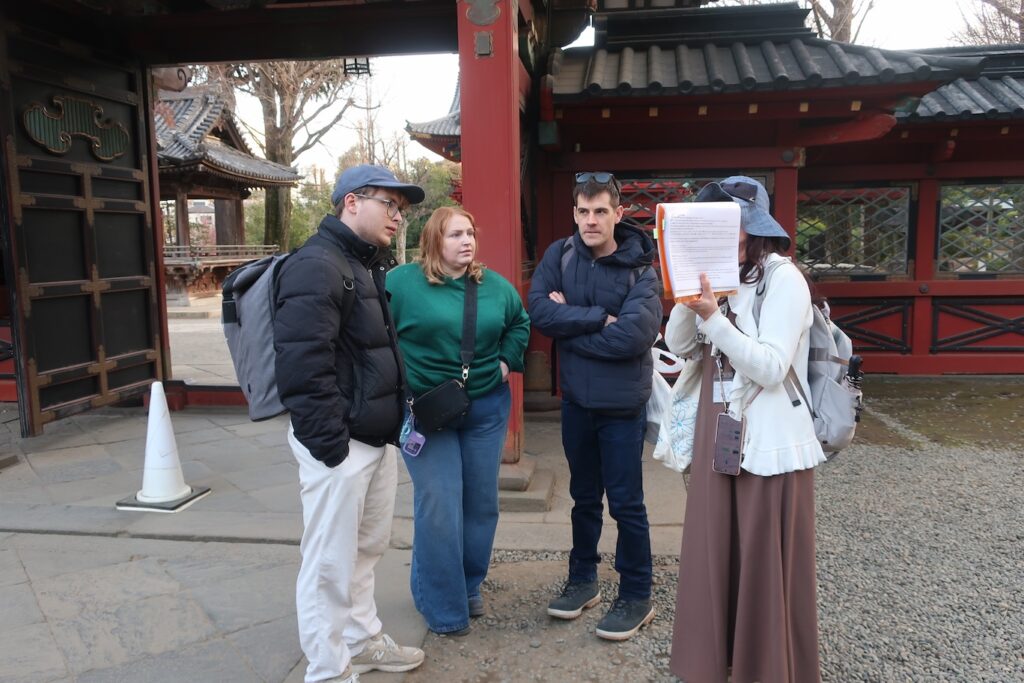
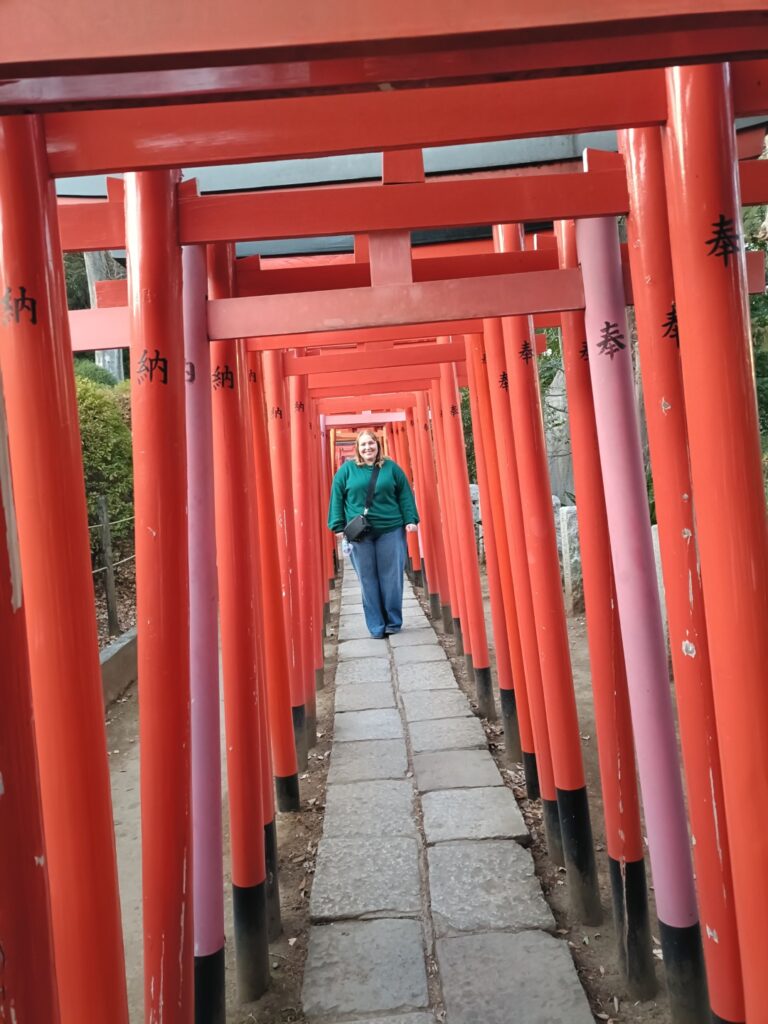
Group photos and snapshots are posted below so you can look back on the fun moments we shared during the tour.
And … the answer to the quiz is in the latter part of this blog.

Now, the answer to the quiz: graves.
It is often misunderstood, but Meiji Shrine is not a mausoleum. The main hall enshrines Emperor Meiji and Empress Shoken, who were deified according to the Shinto tradition of honoring great historical figures as kami. Their actual burial sites are imperial mausoleums located in southern Kyoto, a city that represents Japan’s long imperial history.
You may think Meiji Shrine is a just special case. Well, no, shrines generally do not have cemeteries on their grounds. Why?
In Shinto, shrines are primarily places for performing rituals. Death-related matters have traditionally been regarded as Kegare or ritual impurity and are therefore avoided. That said, it is not that funerals aren’t held in Shinto at all. In fact, about 10% or less of funerals in Japan are conducted in Shinto style. These ceremonies are usually held at private homes or funeral halls, not at shrines, and graves are usually located in private or public cemeteries without strict religious restrictions. One well-known example in Tokyo is Yanaka Cemetery, a public cemetery open to all religions.
Now let’s turn to the topic of Buddhist-style graves. In Japan, most graves are connected with Buddhism. And in Yanaka, for example, with more than 70 Buddhist temples that have their own graveyards, and Yanaka Cemetery that has more than 7,000 graves, the total number would probably add up to more than 10,000.
For your reference, some characteristics of Buddhist-style graves are: mostly family graves rather than individual ones; Buddhist long wooden memorial tablets (sotoba) set behind grave stones; incense, modestly colored flowers, and maybe, other offerings (even a can of beer) placed at grave stones.
If you have the chance to visit both Meiji Shrine and Yanaka/Nezu, then, by comparing the two, you’ll be able to understand Japanese religious culture better, and hear other hidden stories that you won’t find in guidebooks. We’d be delighted to share them with you on our tour. Why don’t you join us next time?
Once again, thank you very much for joining Tokyo Free Walking Tour during your stay in Tokyo. If you have another opportunity to visit the city, we would be happy to help you enjoy more wonderful experiences in places such as the East Gardens of the Imperial Palace, Asakusa, Meiji Shrine and Harajuku, Ueno, and Yanaka/Nezu.
For more information about our tours, please visit our website or social media pages:
https://tfwt.jp/top/
https://www.facebook.com/TokyoFWT
Tokyo Free Walking Tour on TripAdvisor: https://www.tripadvisor.jp/
Posted by Shun