
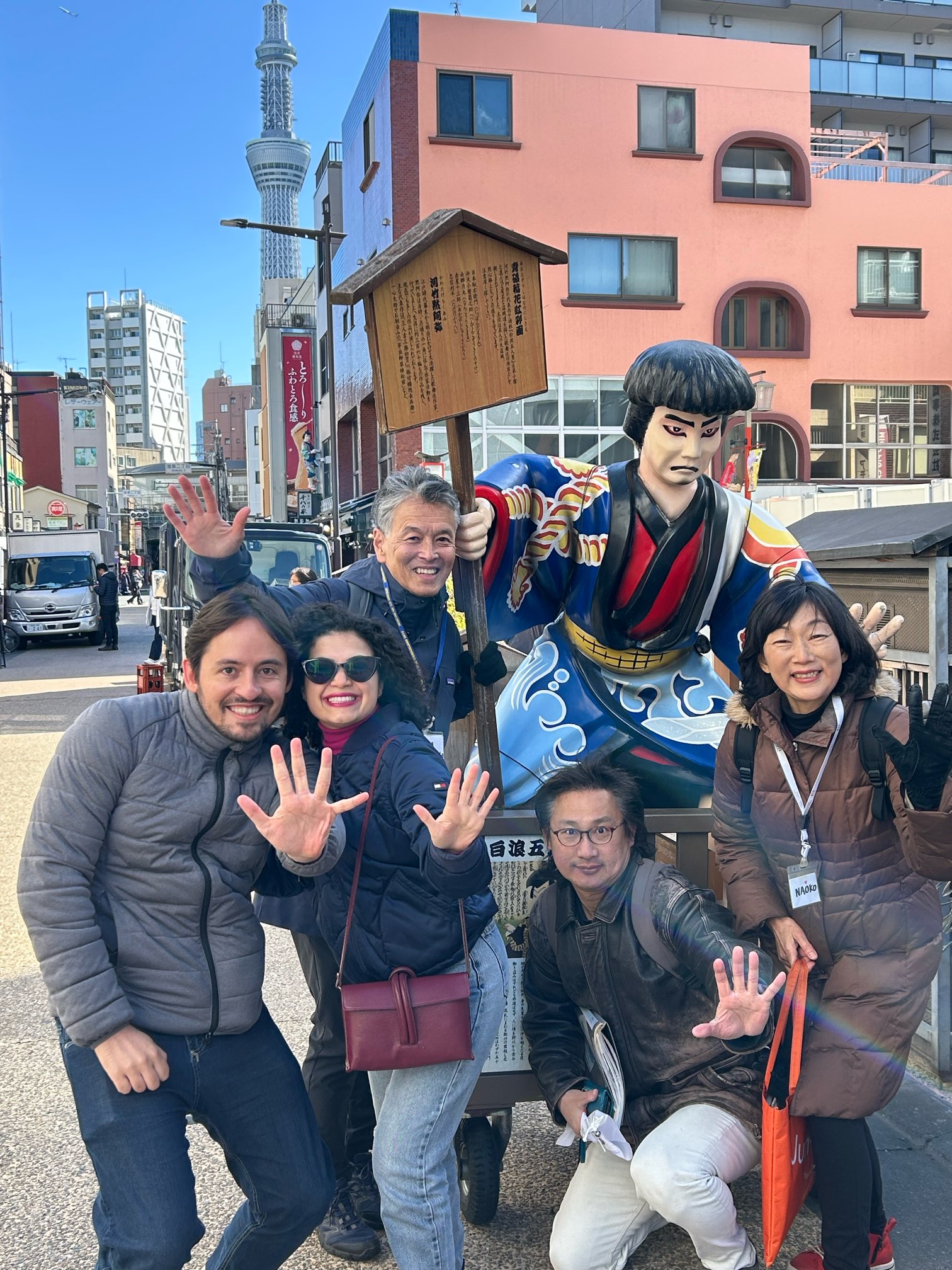
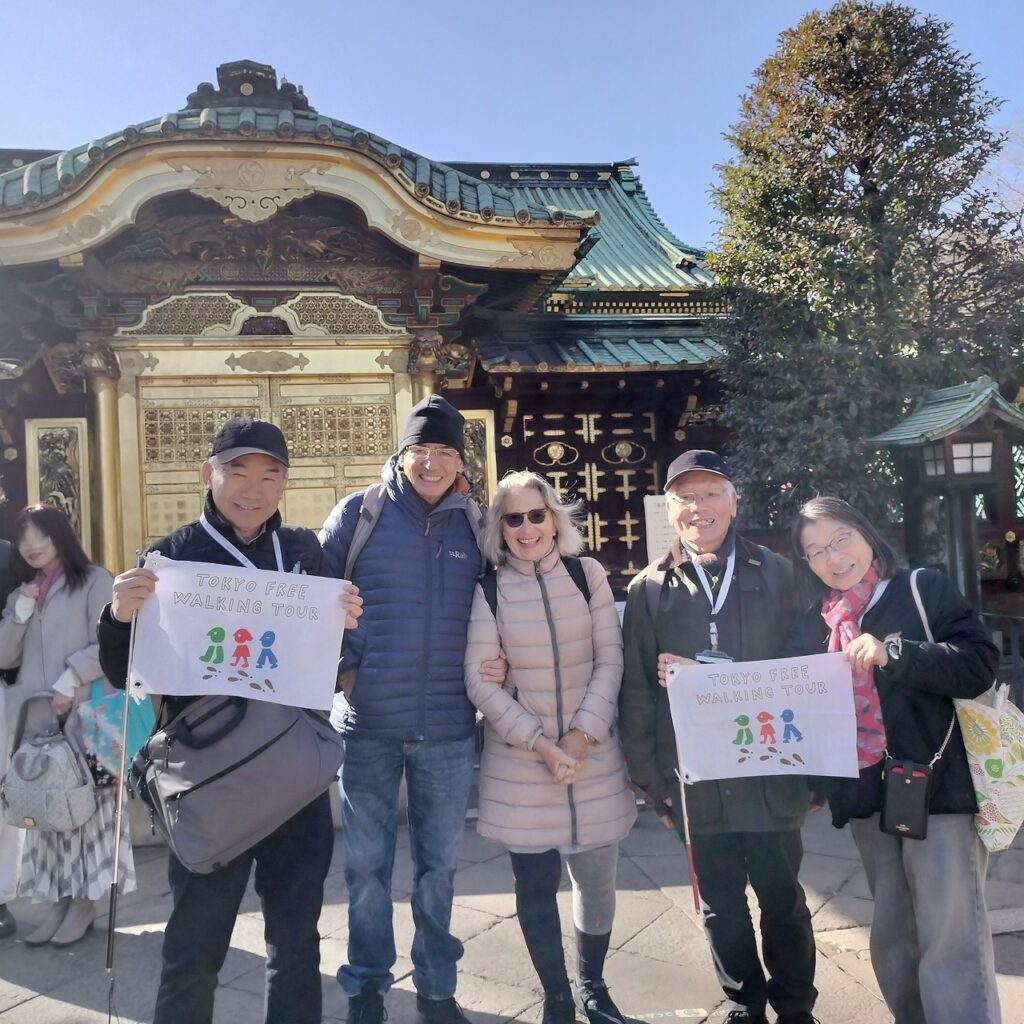
Thank you for choosing our tour at Asakusa and Ueno on February 19. We welcomed 9 people from U.S.A , Brazil , Denmark and Canada.
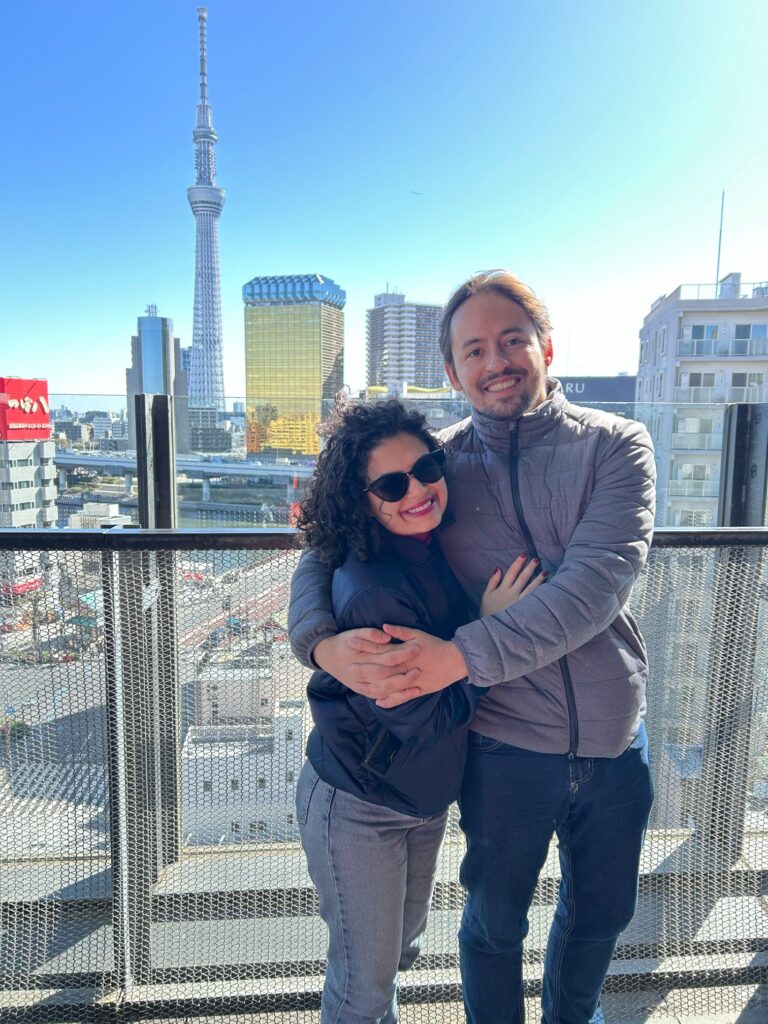
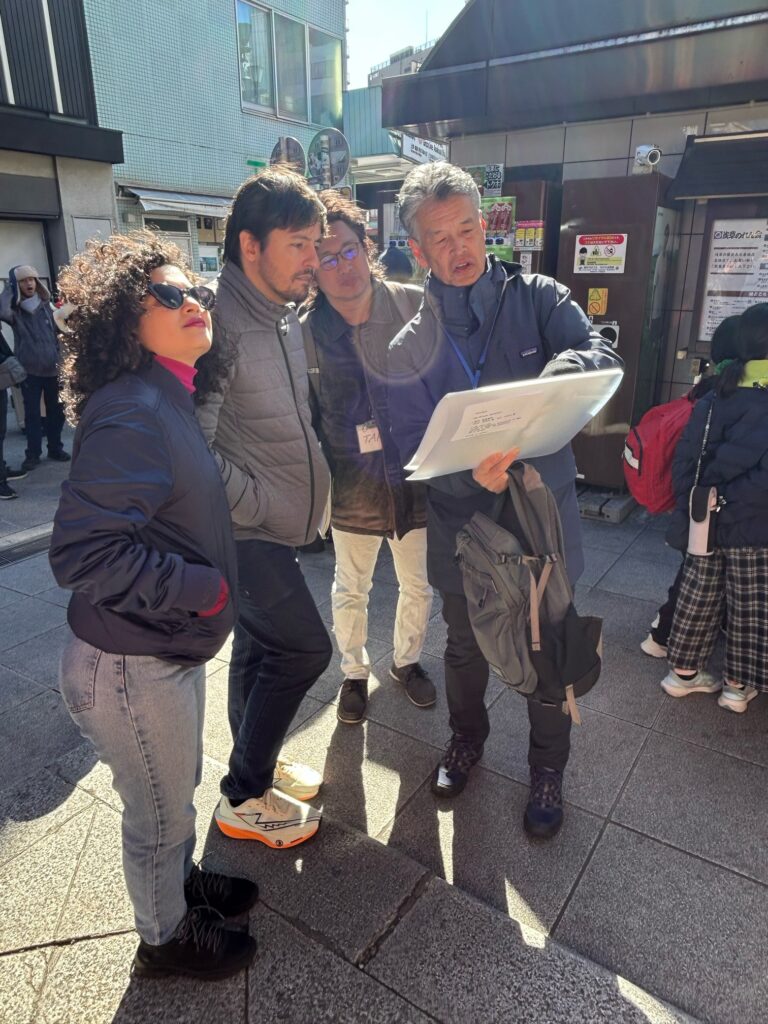
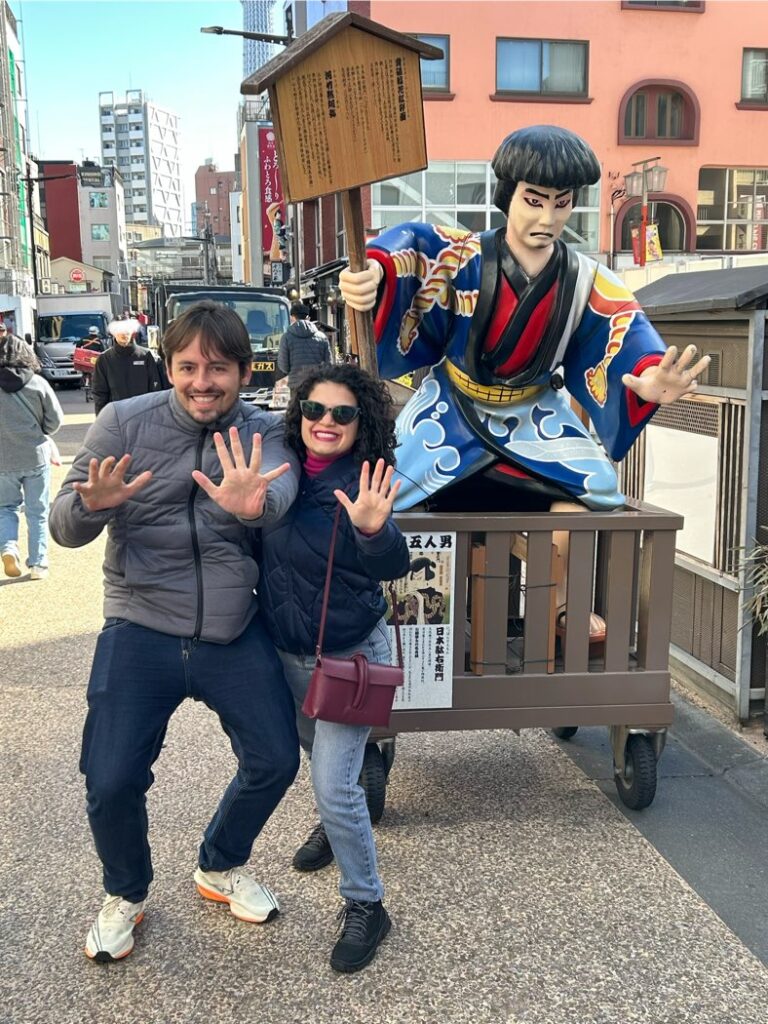
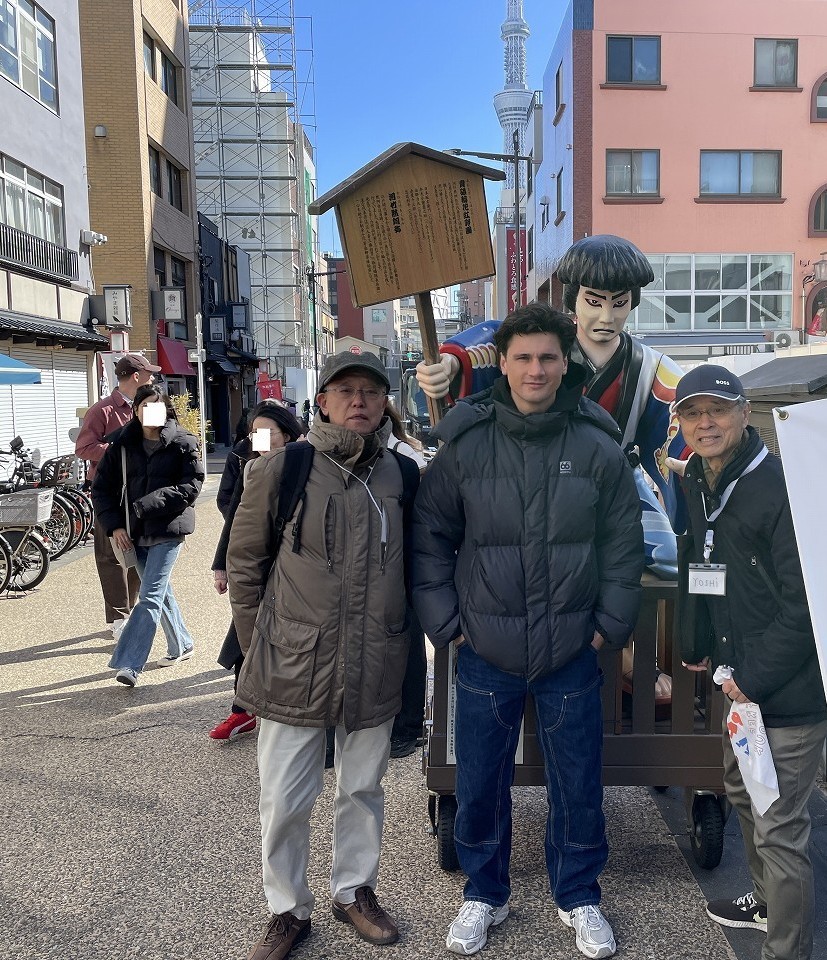
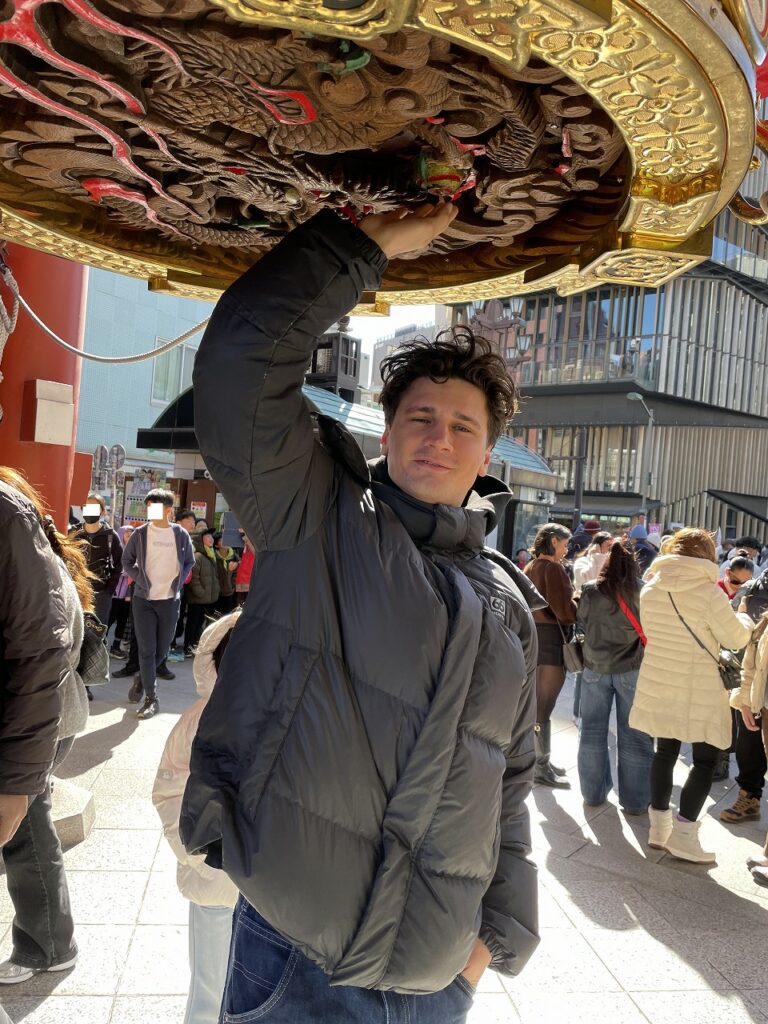
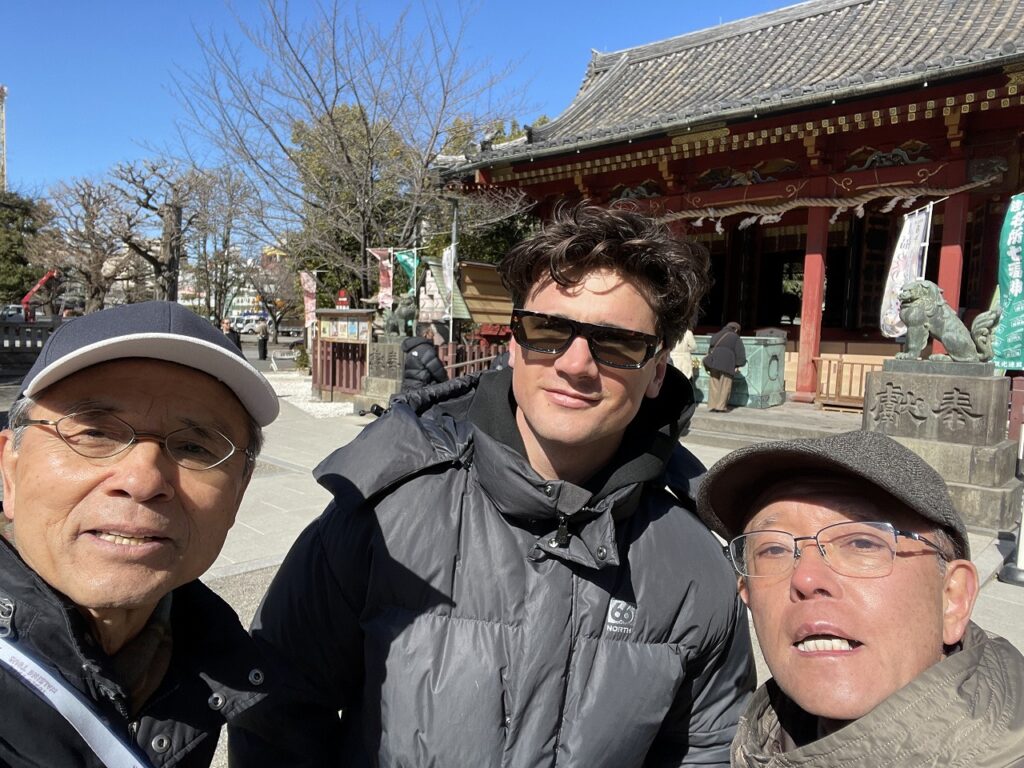
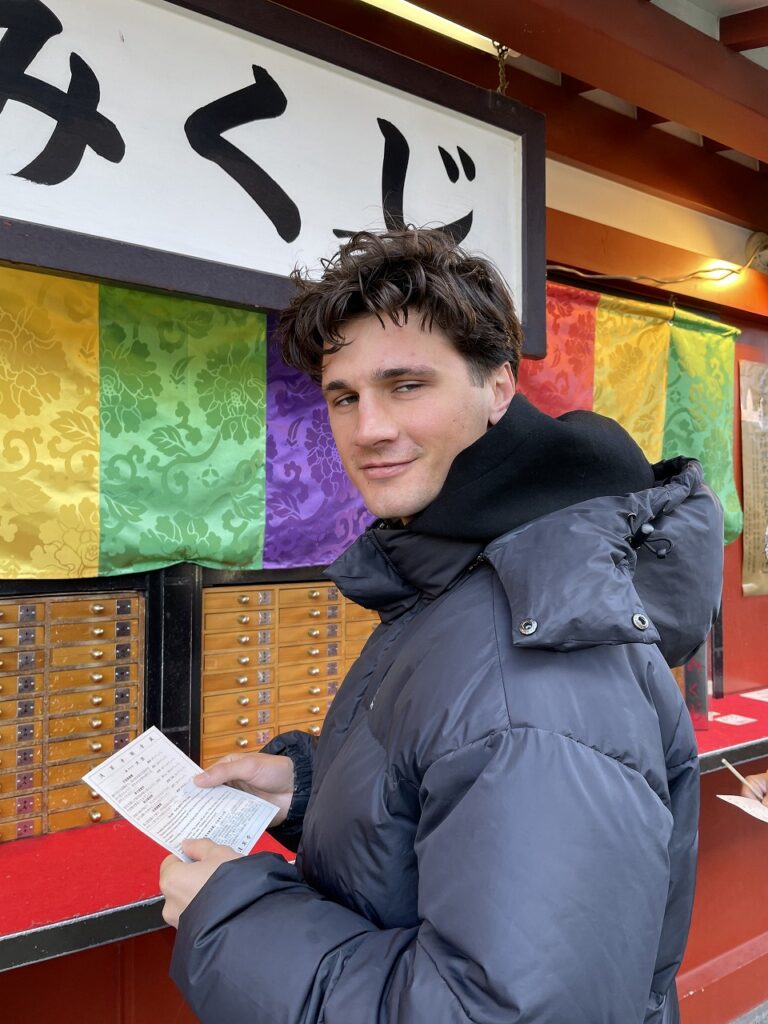
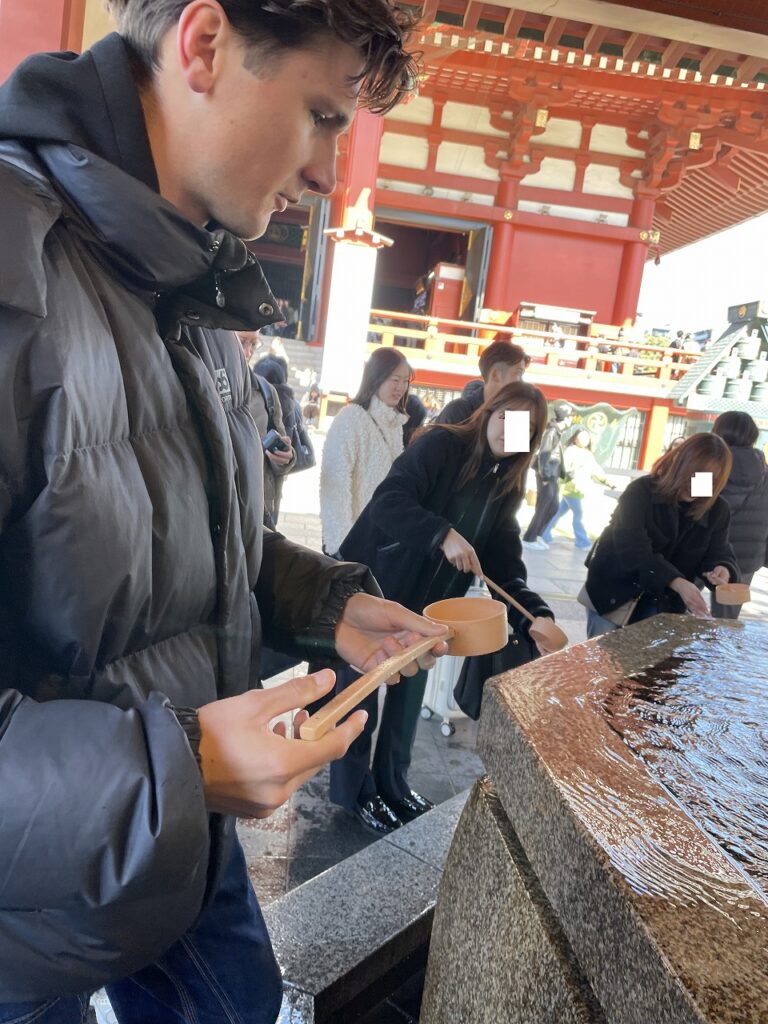
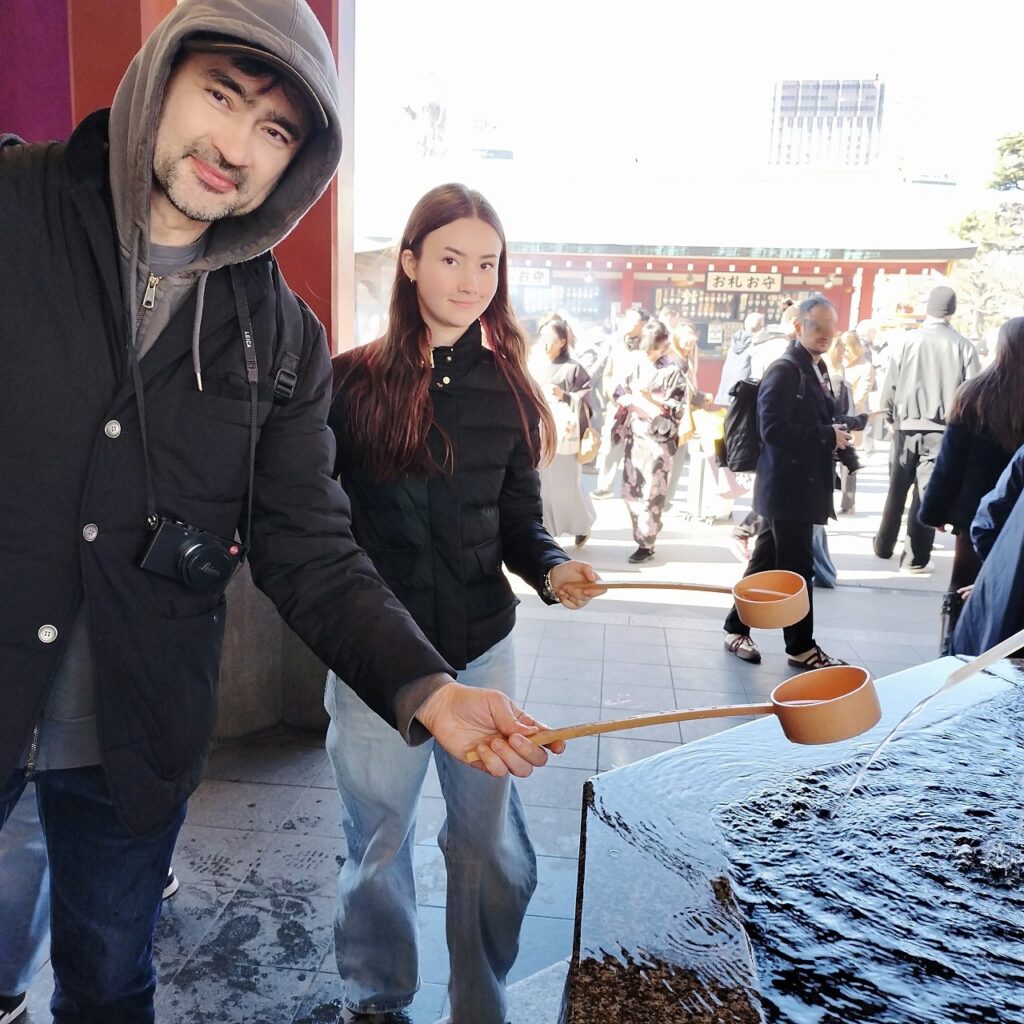
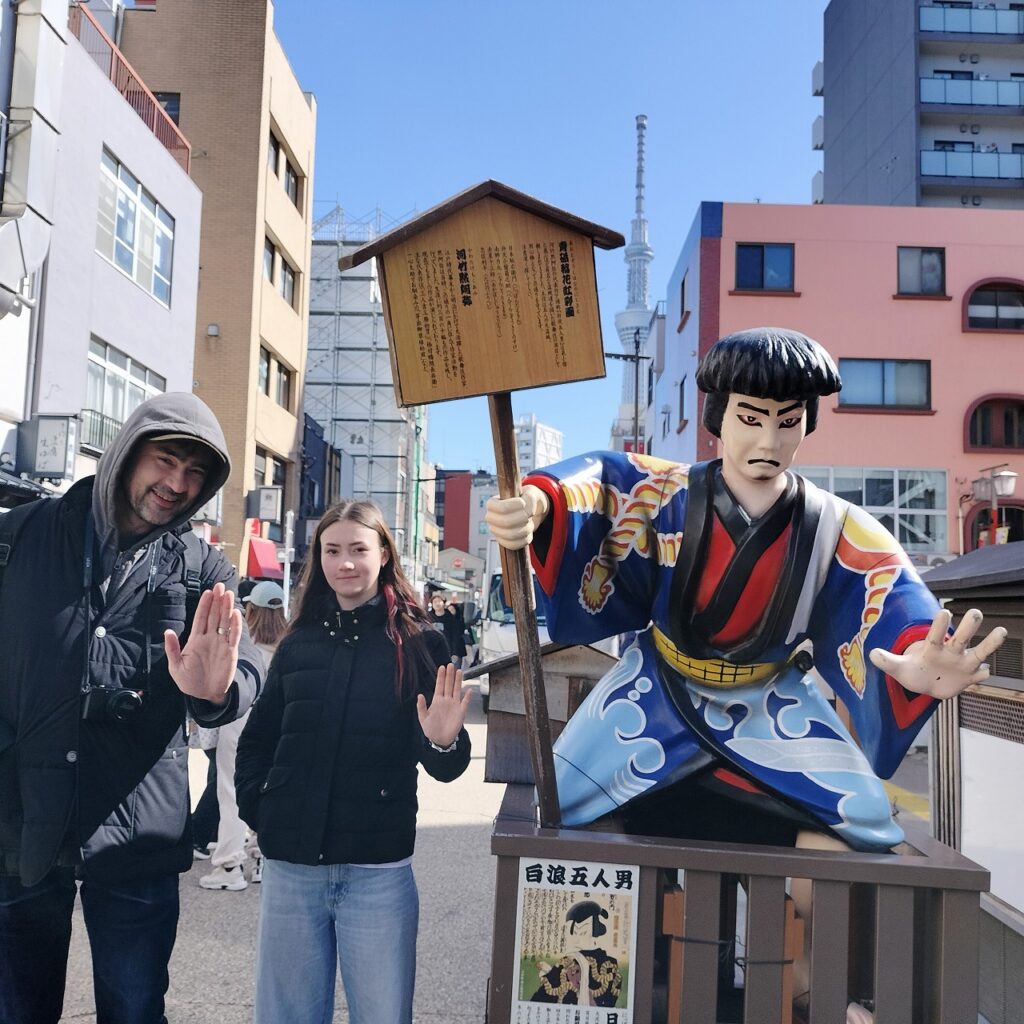
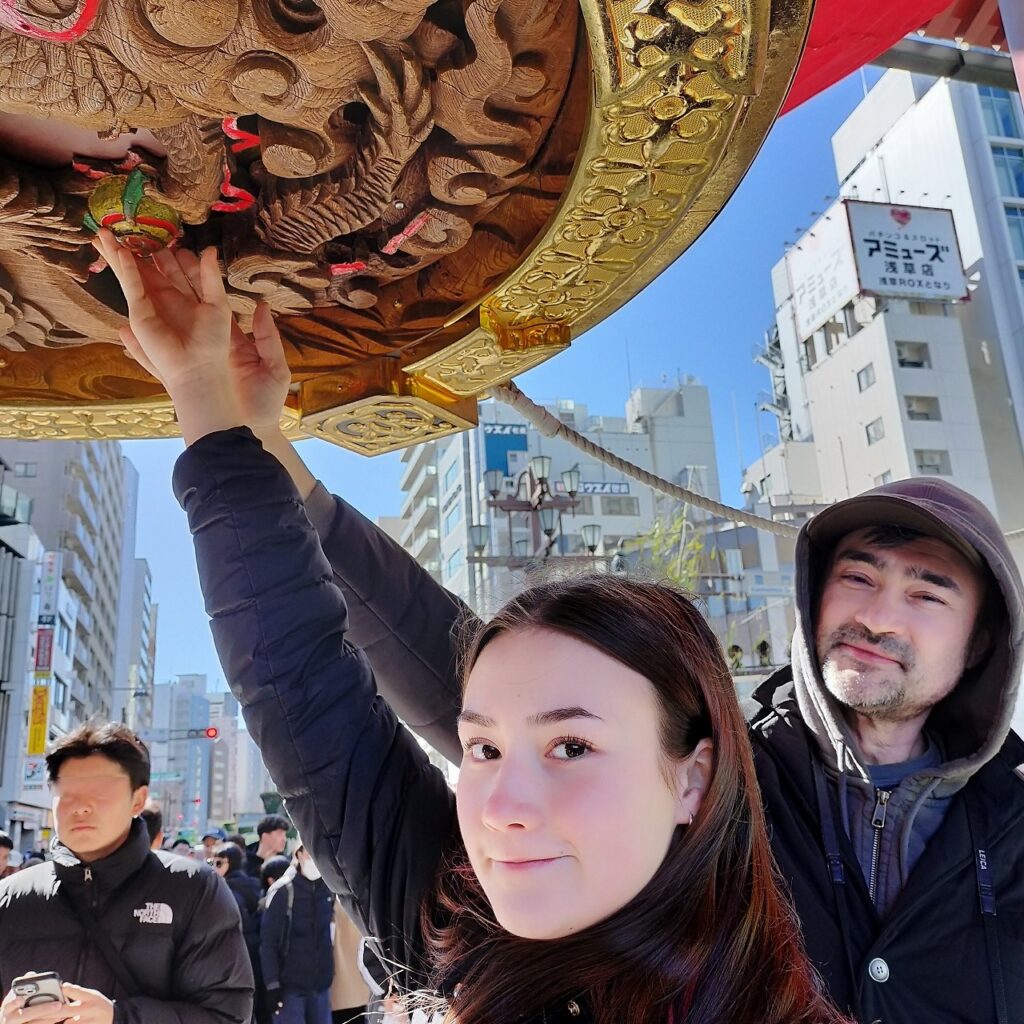
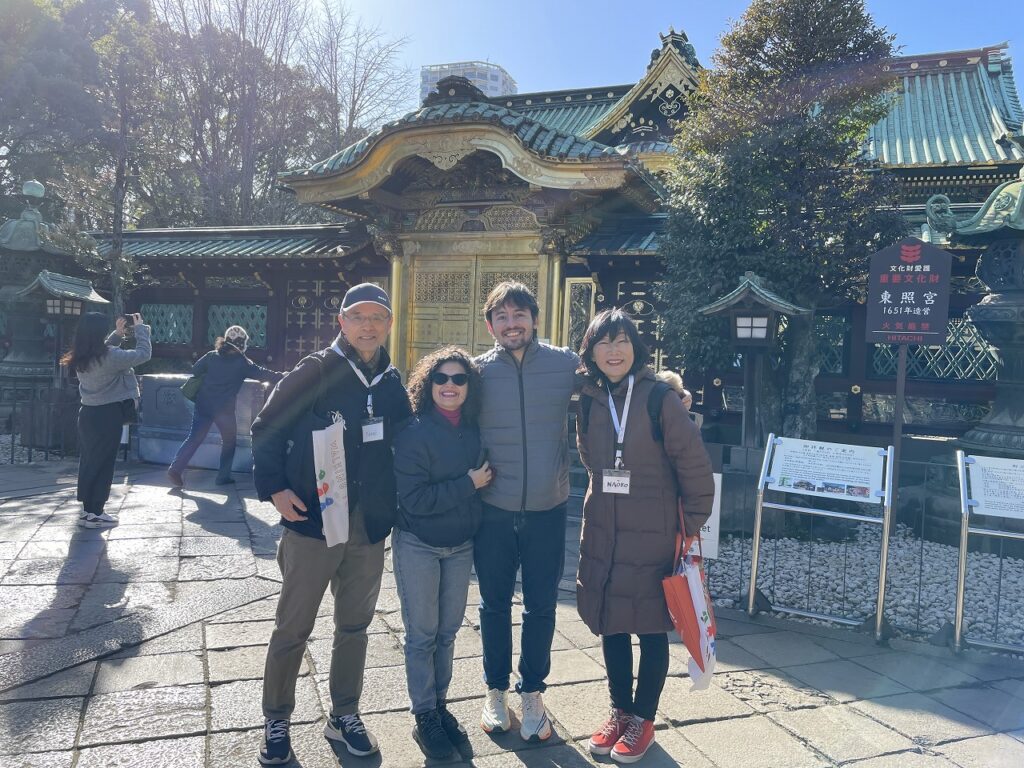
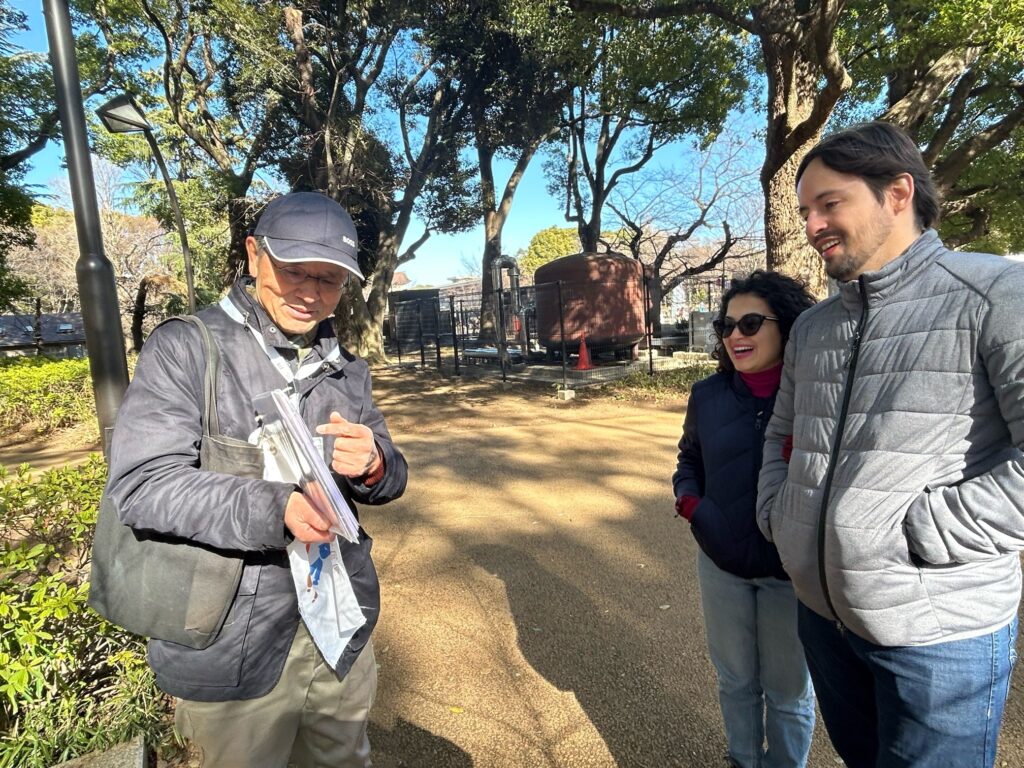
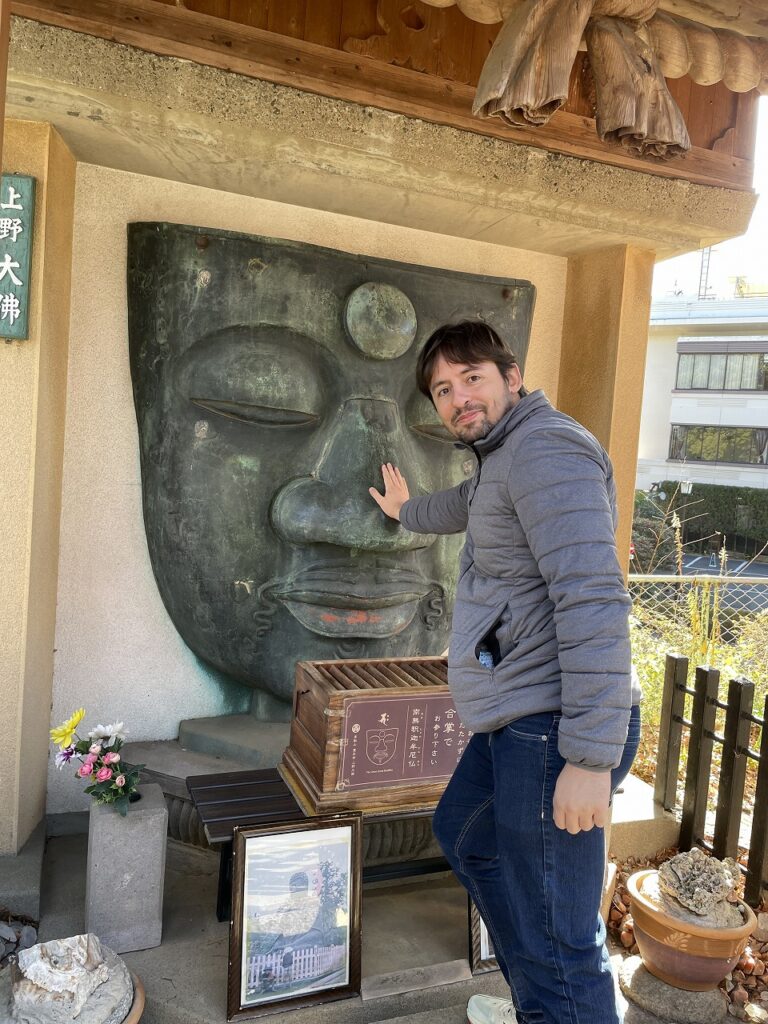
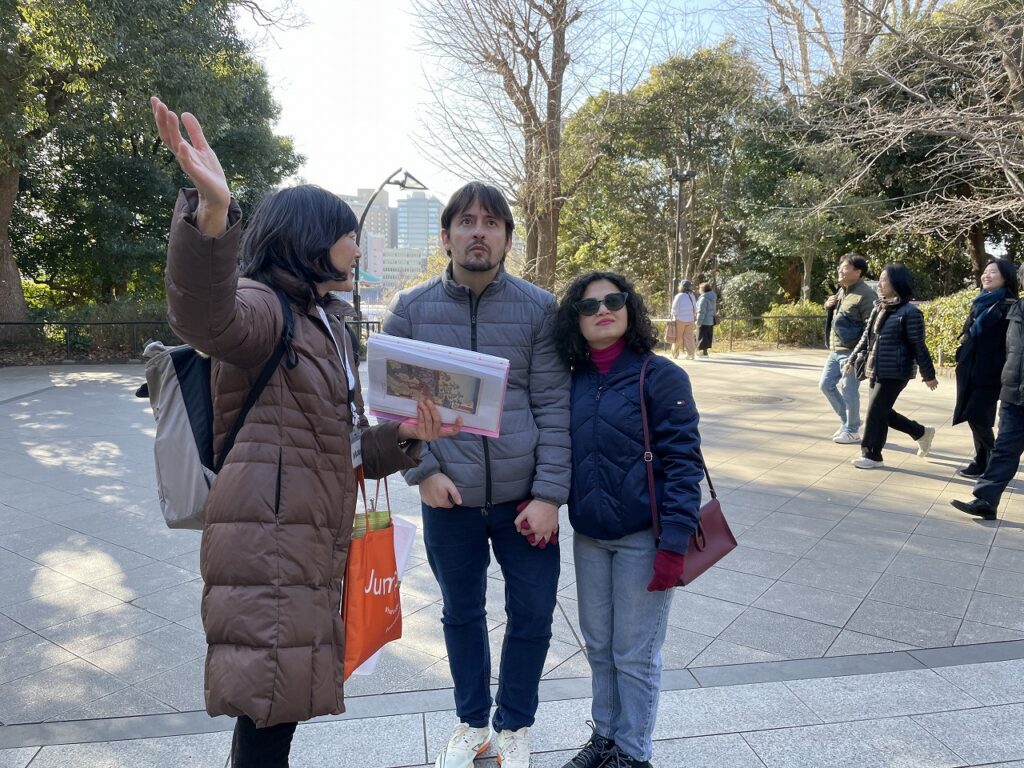
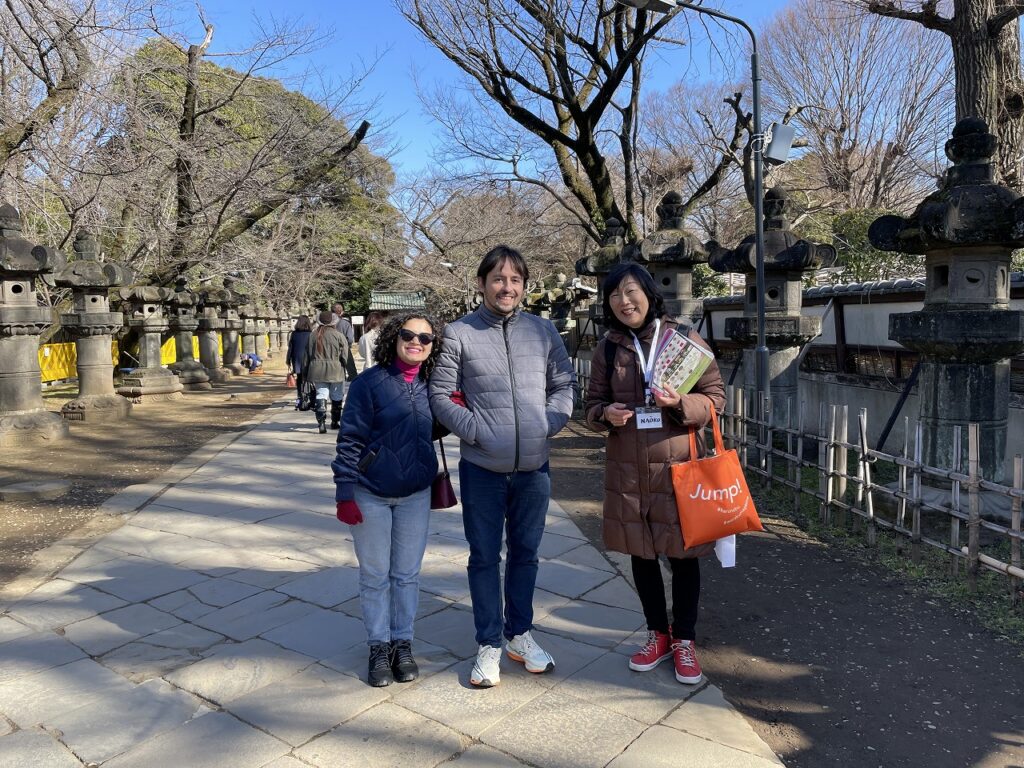
I hope all of you enjoyed and shared interesting conversations with us during the tour. As promised, group photos and snapshots are attached to remember the fun times we had.
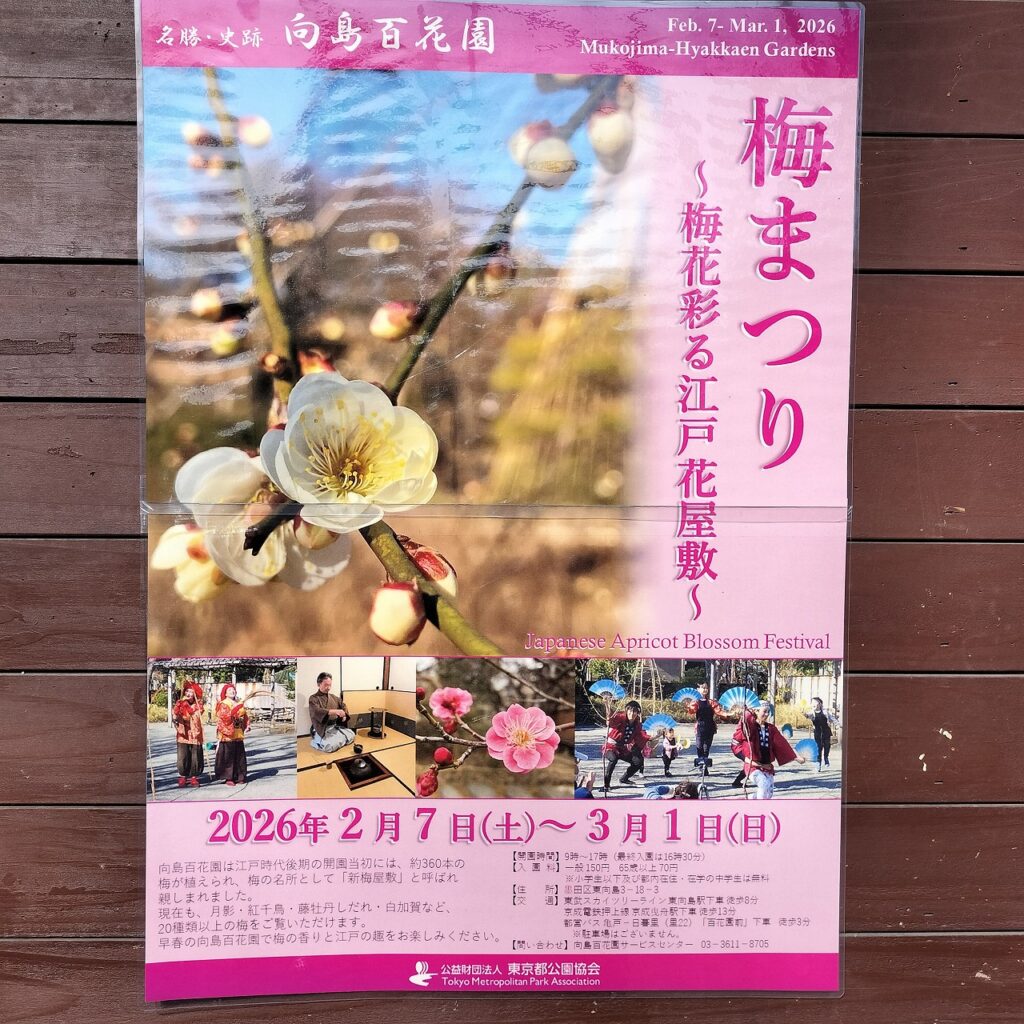
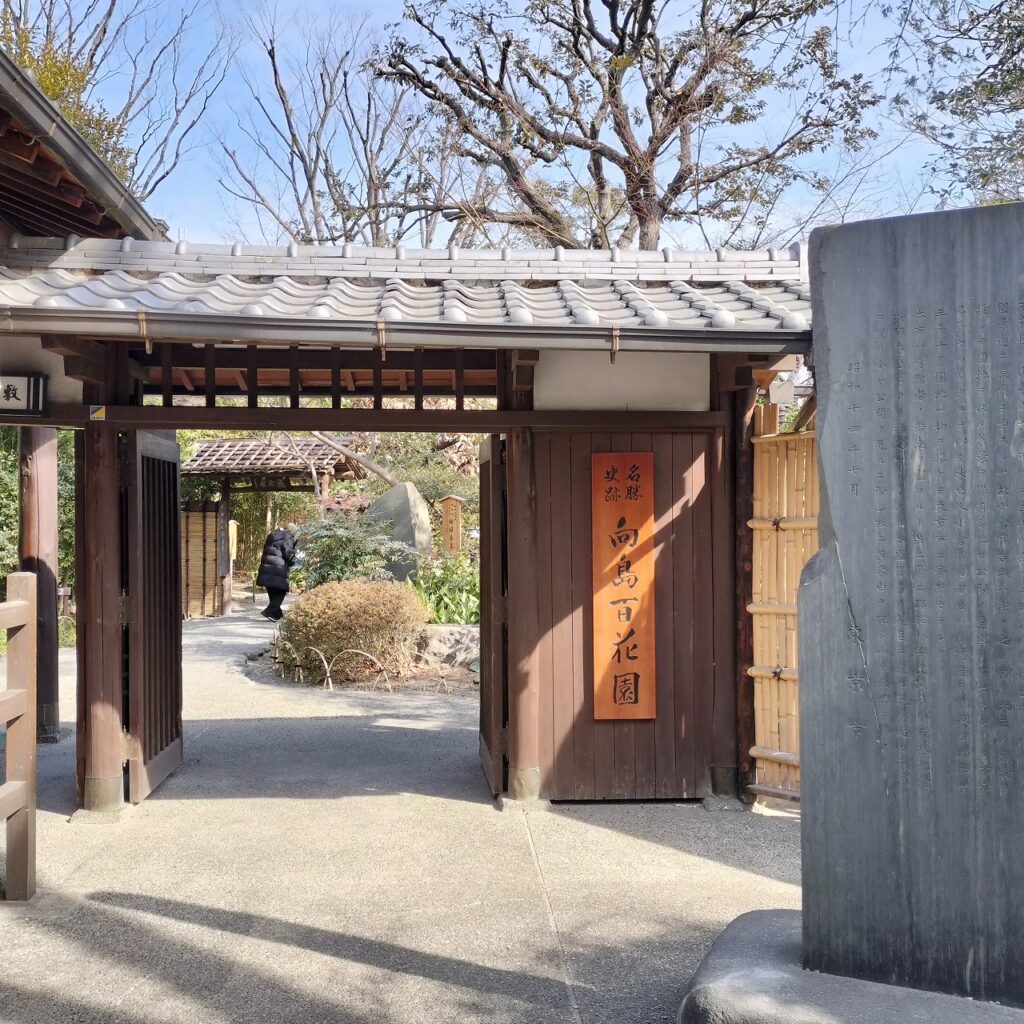
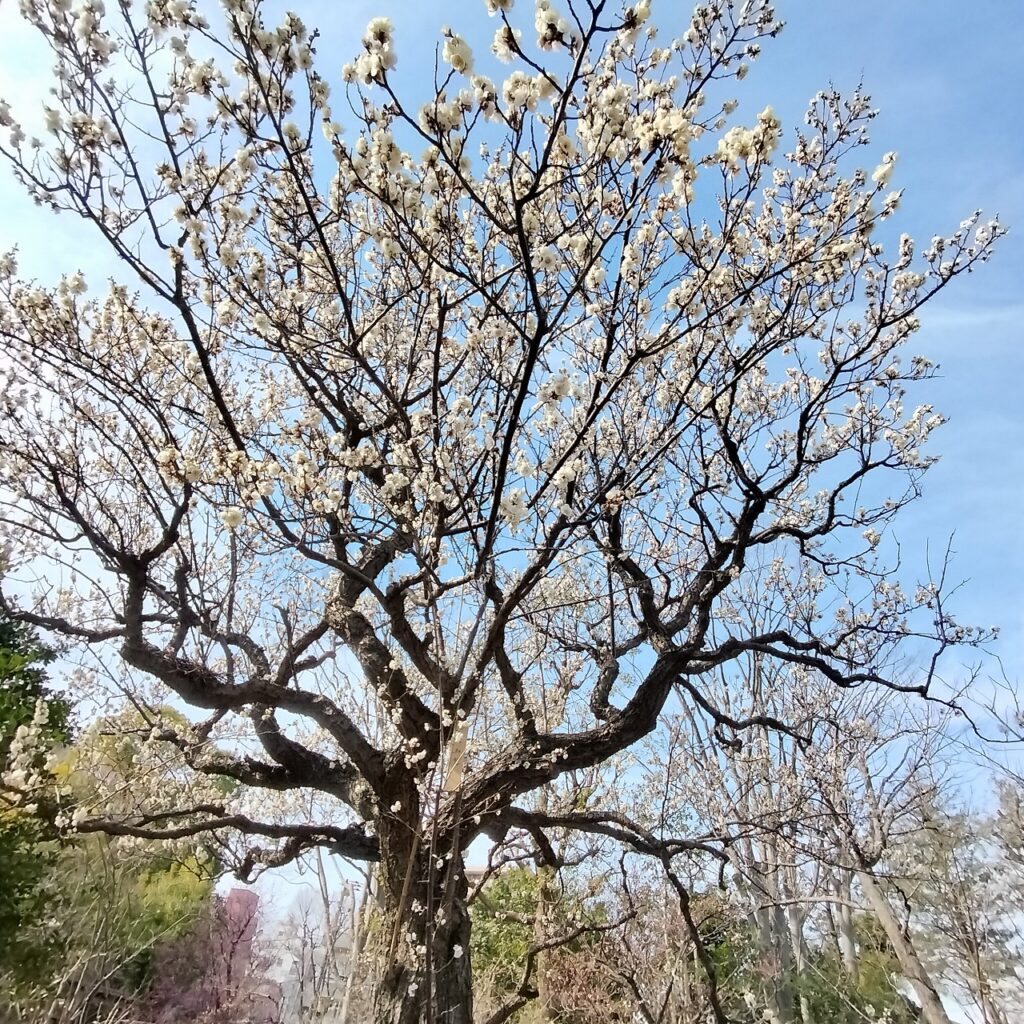
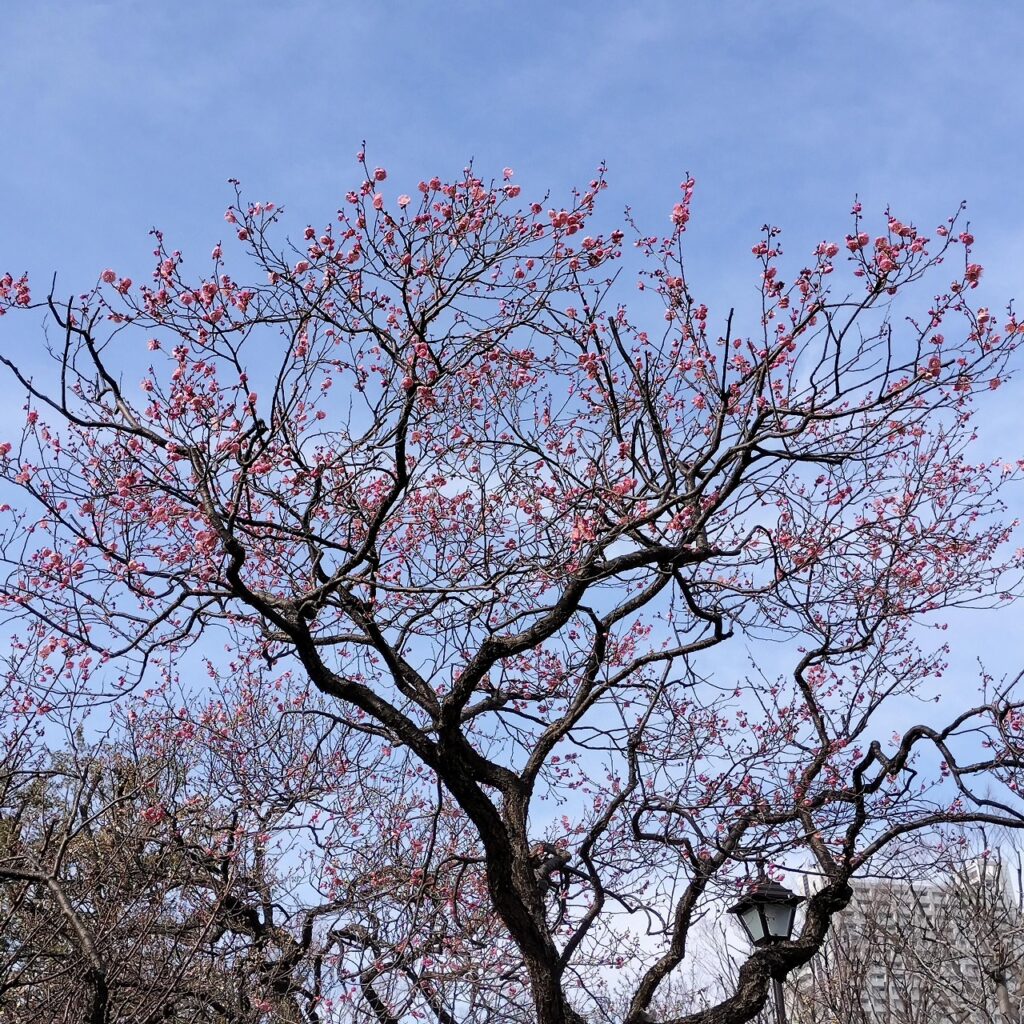
The season for admiring the blooming of plum blossoms has arrived. Mukojima Hyakkaen, located near Asakusa, was established in the late Edo period and was affectionately known as “Shin-Ume-Yashiki” (New Plum Residence). The best time to see the plum blossoms is from mid-February to early March and the Japanese Apricot Blossom Festival is held here from February 7 to March 1. During the festival, various events including tea ceremony, sparrow dance etc. are held.
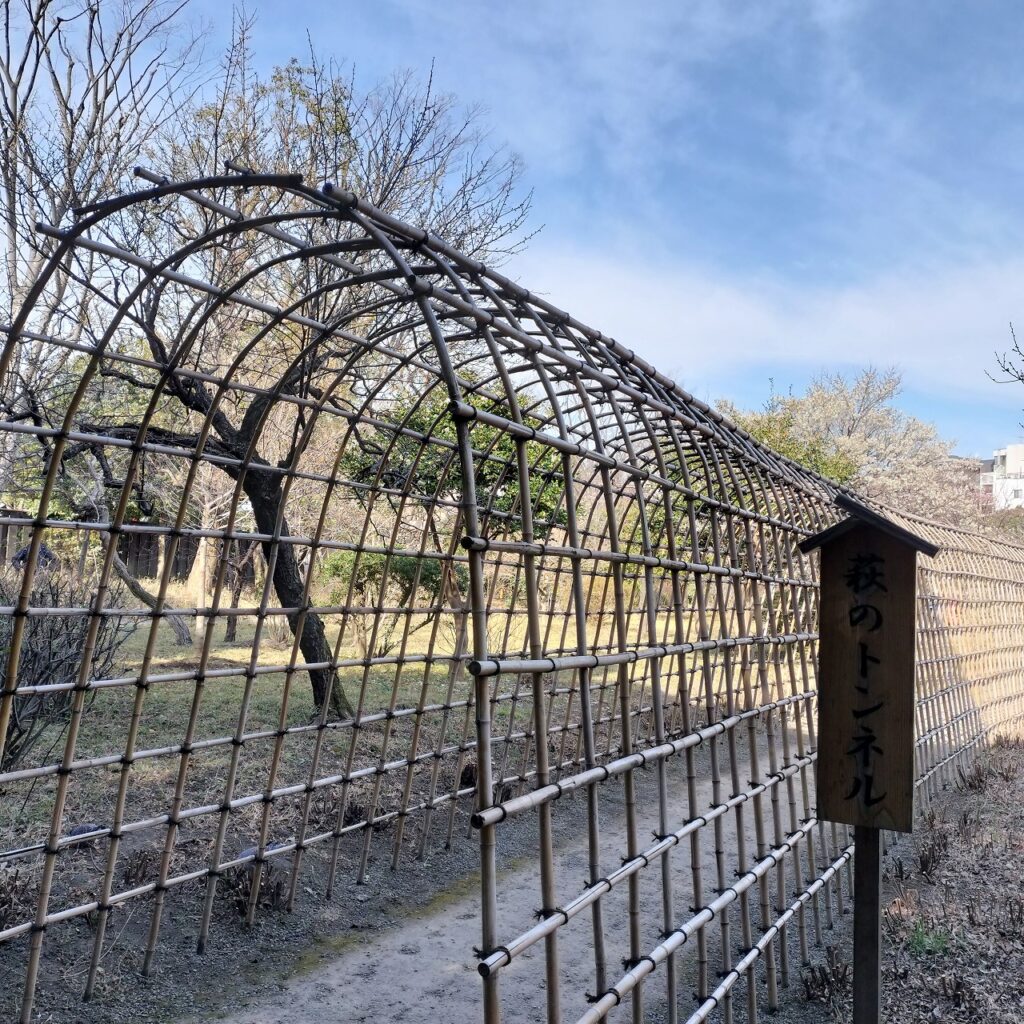
As its name suggests “Hyakkaen” (Garden of a Hundred Flowers) allows visitors to enjoy various flowers, wildflowers and plants throughout the year. Particularly notable are the plum blossoms in February, bush clovers in September, and the seven spring herbs (haru no nanakusa) and the seven autumn herbs (aki no nanakusa).
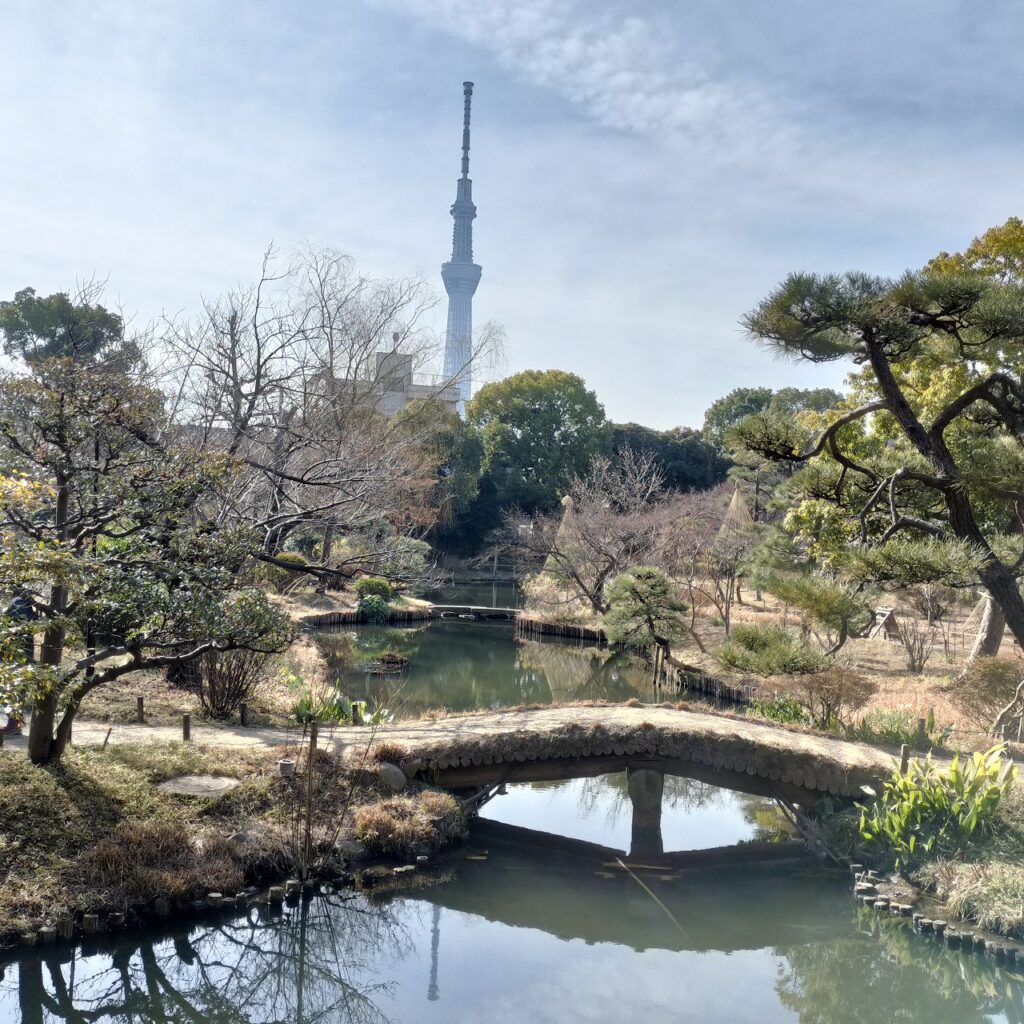
In Tokyo, there are several notable “daimyo” gardens which originally established by feudal lords of the Edo period. After the policy of “sankin-kotai” (alternate attendance) was established in 1635, it became popular for many feudal lords to build residences with gardens, including upper, middle and lower residences. These gardens, typically designed as “chisen-kaiyushiki” (strolling gardens with ponds), still remain in Tokyo, with around 10 preserved to this day. Prominent “daimyo” gardens include Hama-Rikyu Garden, Kyu Shiba-Rikyu Garden, Rikugien Garden, Koishikawa Korakuen Garden, and Kiyosumi Garden.
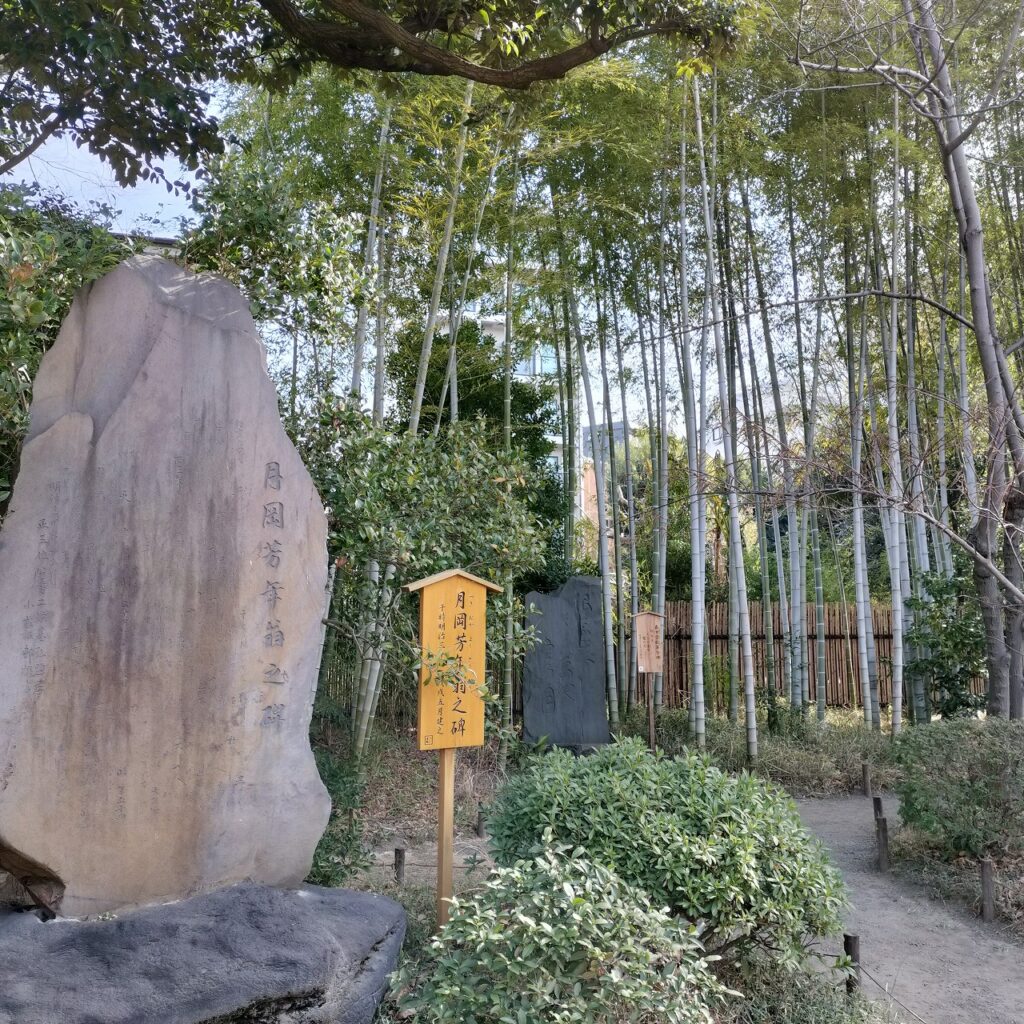
Among these gardens dating back to the Edo period, Mukojima Hyakkaen stands out for its unique origins. Unlike other “daimyo” gardens, a distinctive feature is that Mukojima Hyakkaen was created not by feudal lord, but by townspeople in the early 19th century. It was established by a retired antique dealer named Sahara Kikuu, with the support of literary and artistic people, during the flourishing period of Edo’s merchant culture. Although the garden was loved for its plum trees, bush clovers and various other plants, it was unfortunately destroyed during the air raids of World War II. However, due to the dedication of many people, it was revived just a few years after the war and has continued to thrive. One of its features is that the vegetation is planted in almost natural form.
Visiting Mukojima Hyakkaen and comparing it with daimyo gardens created by feudal loads and those created by townspeople might be an interesting experience.
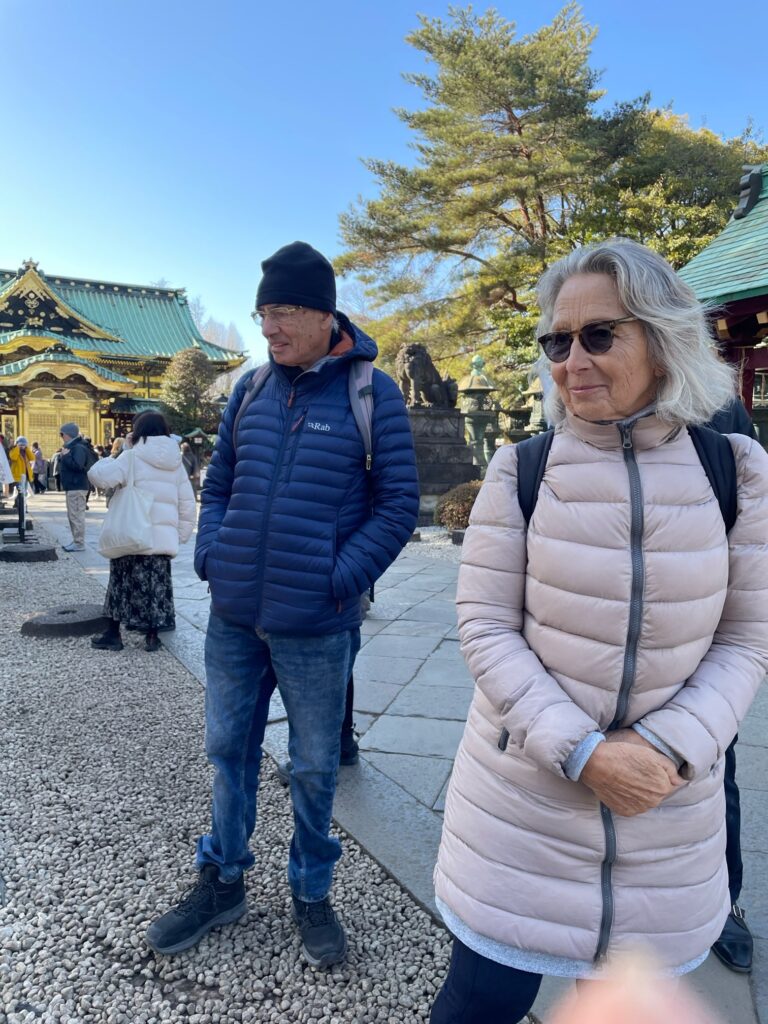
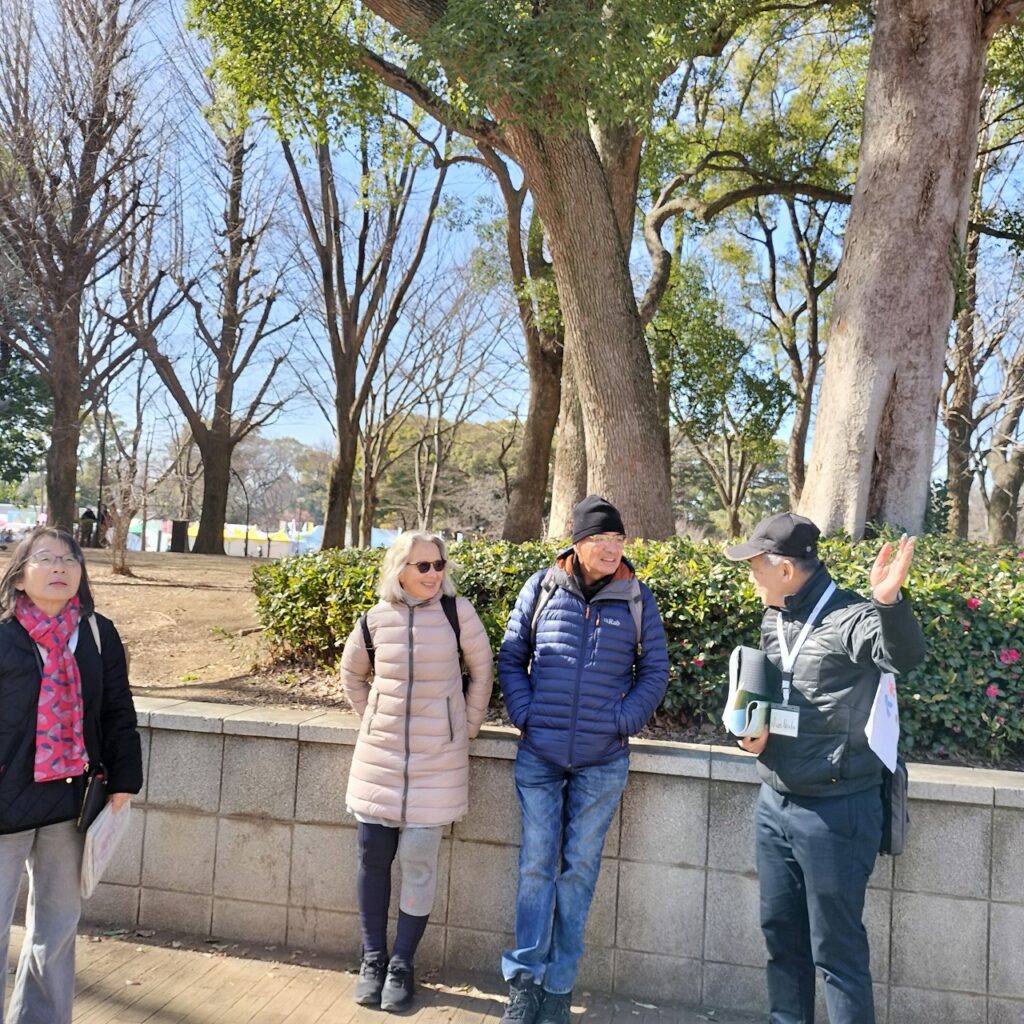
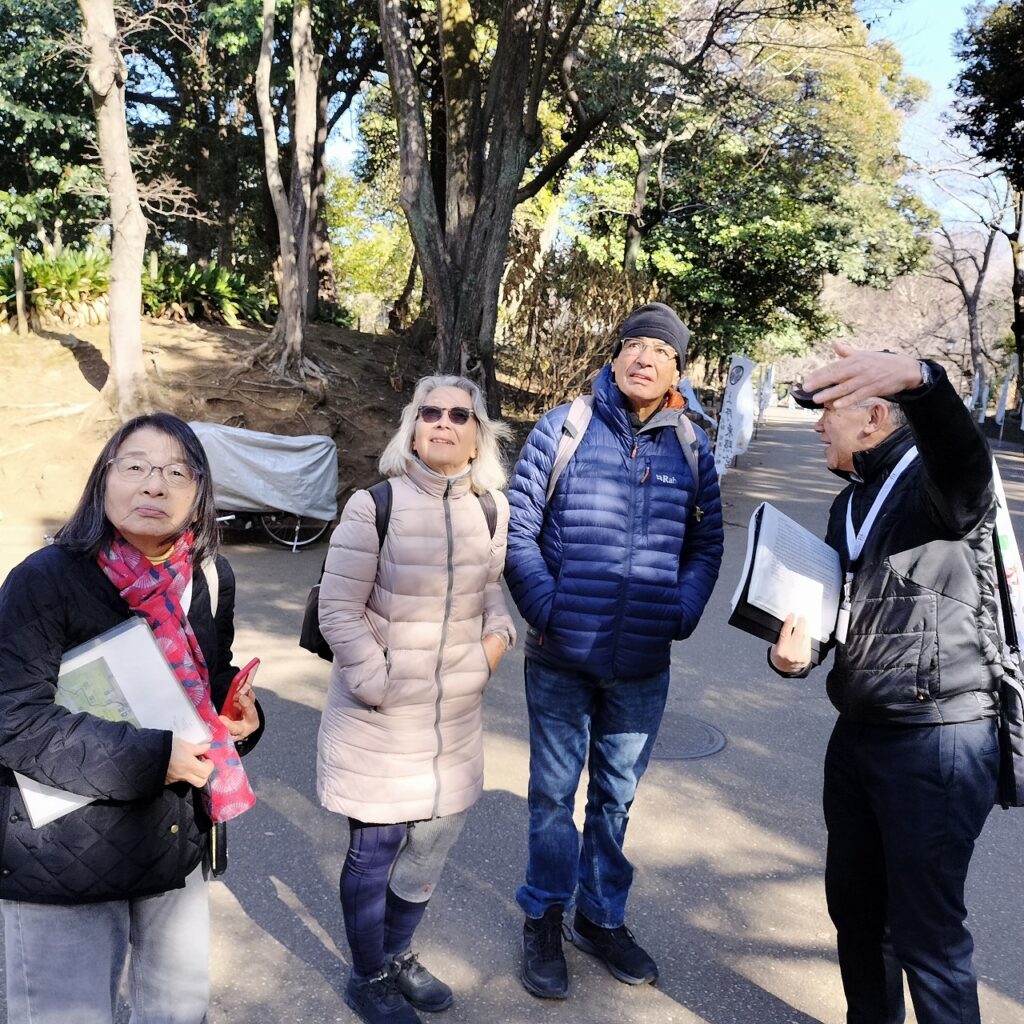
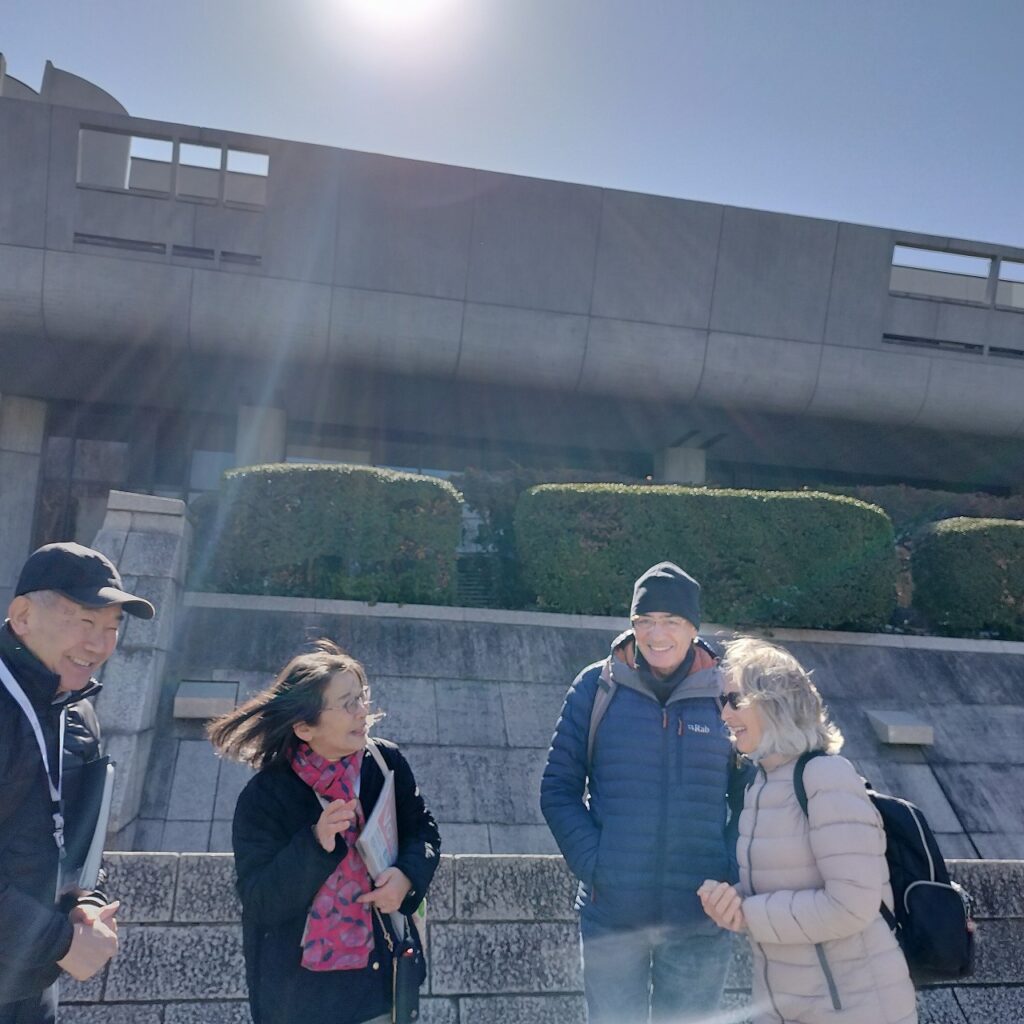
We always strive to give high-quality tours. Your feedback is very important and useful
to us. If you have a moment, please consider posting comments about the tour on our
TripAdvisor /Facebook etc. Your remarks will certainly help us improve and continue
developing our tours. Also, please tell your family and friends about us. Next time
you’re in Tokyo, please come to another one of our tours. Once again thank you very
much.
(posted by Kuma)