
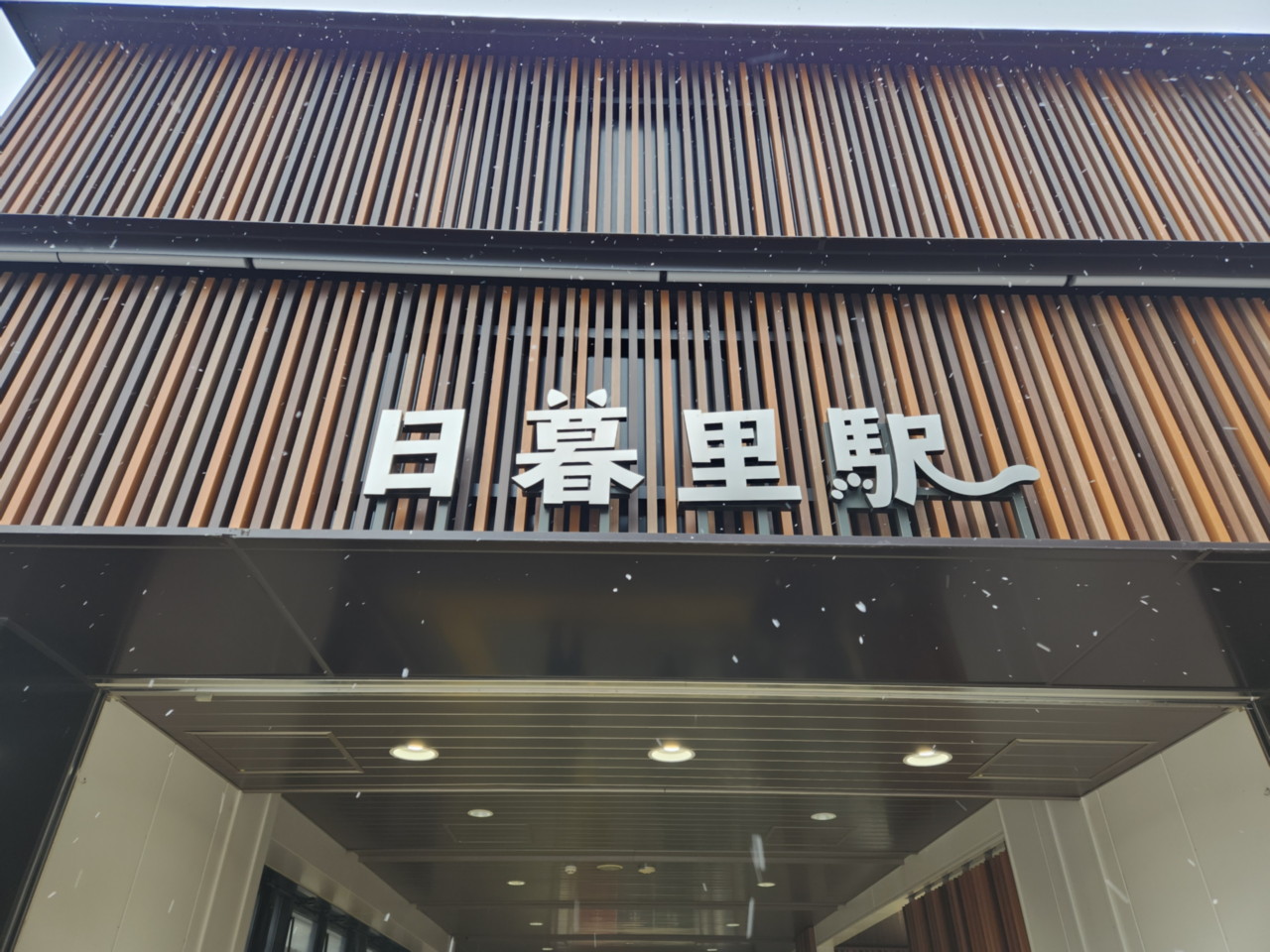
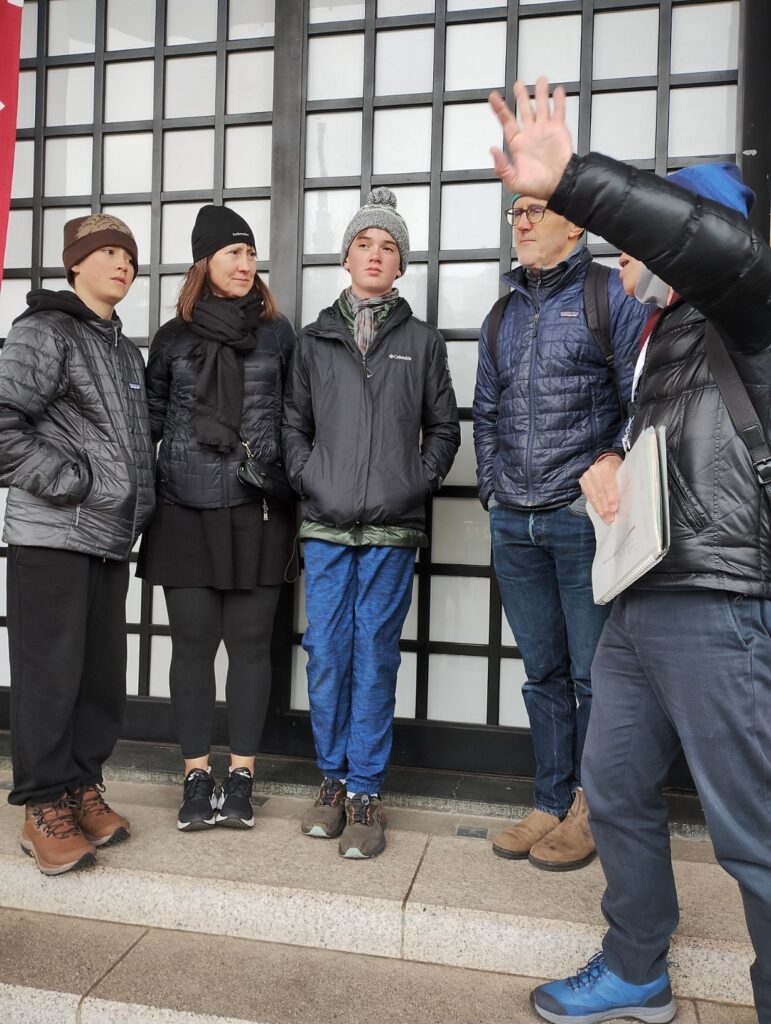
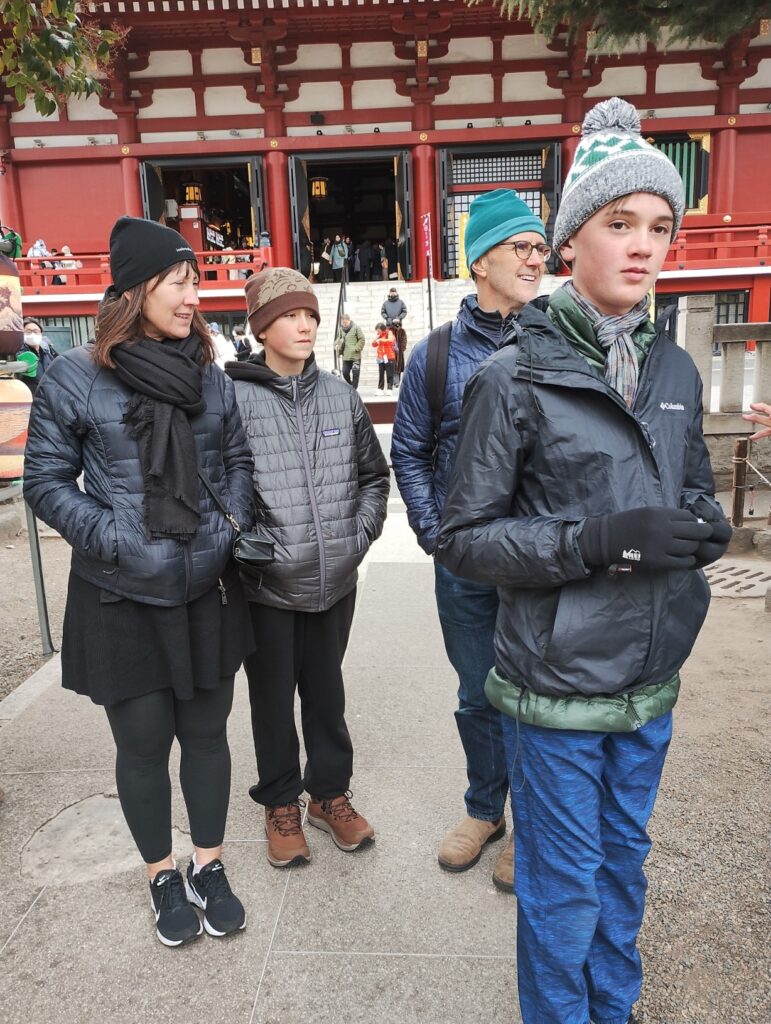
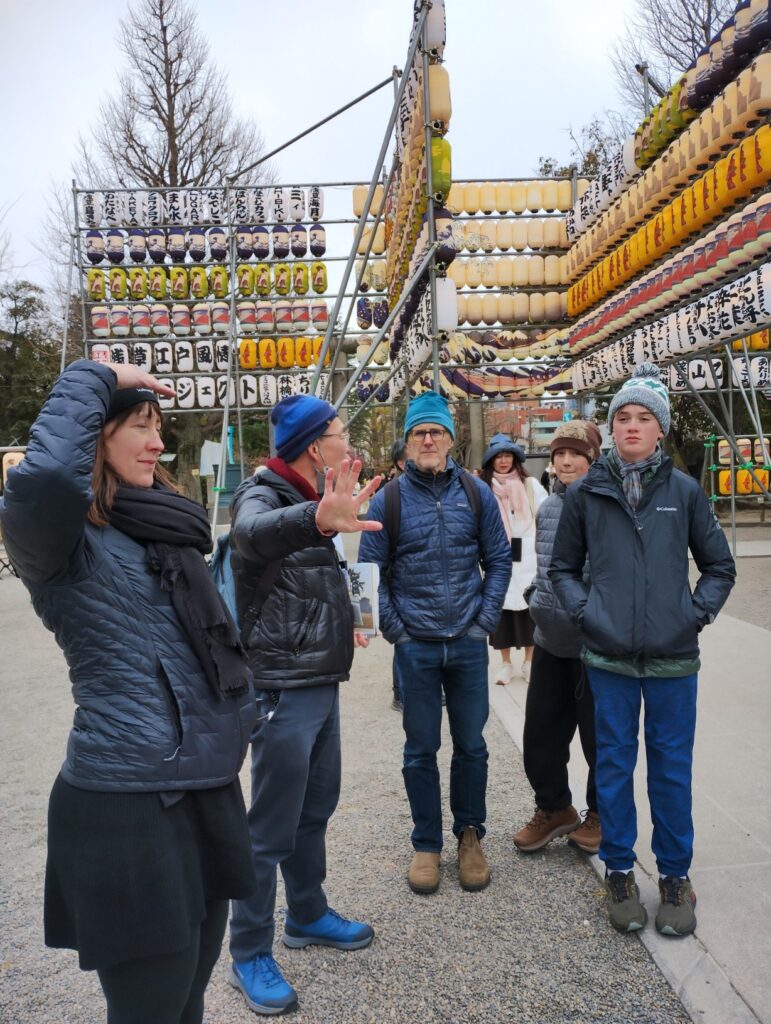
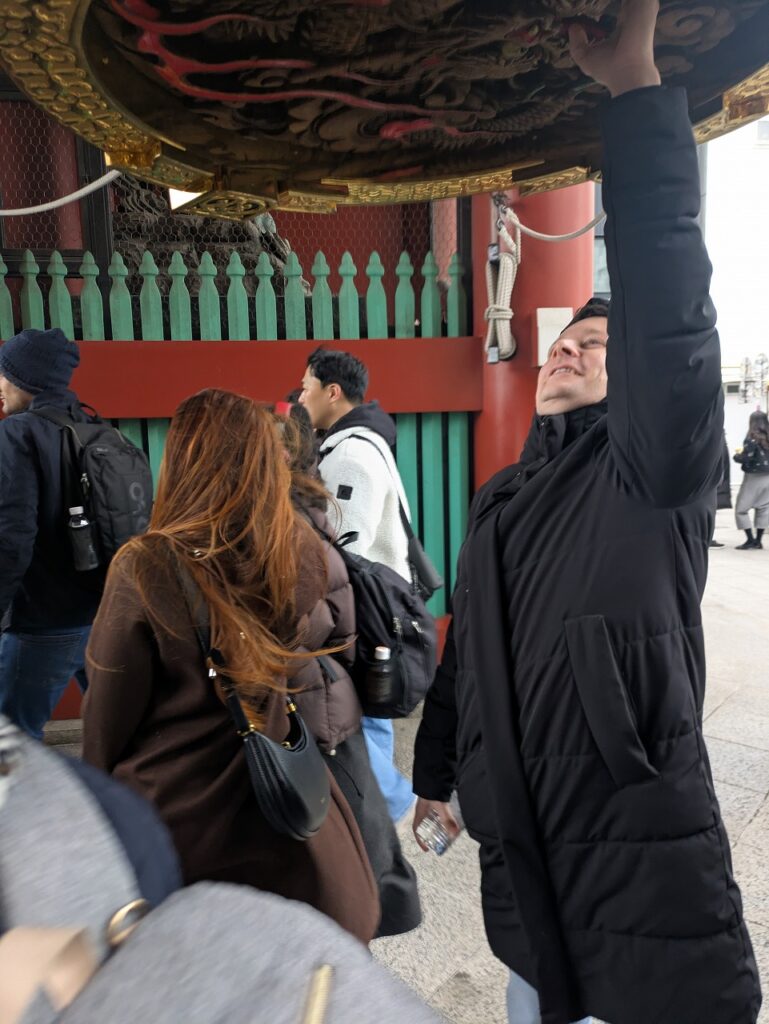
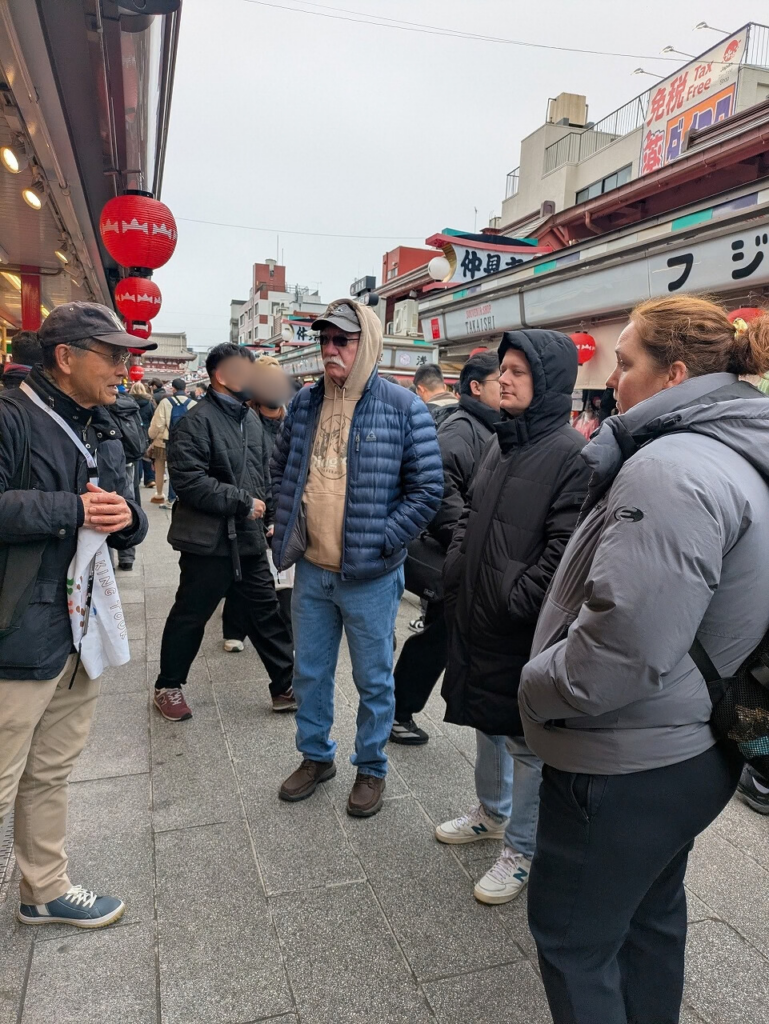
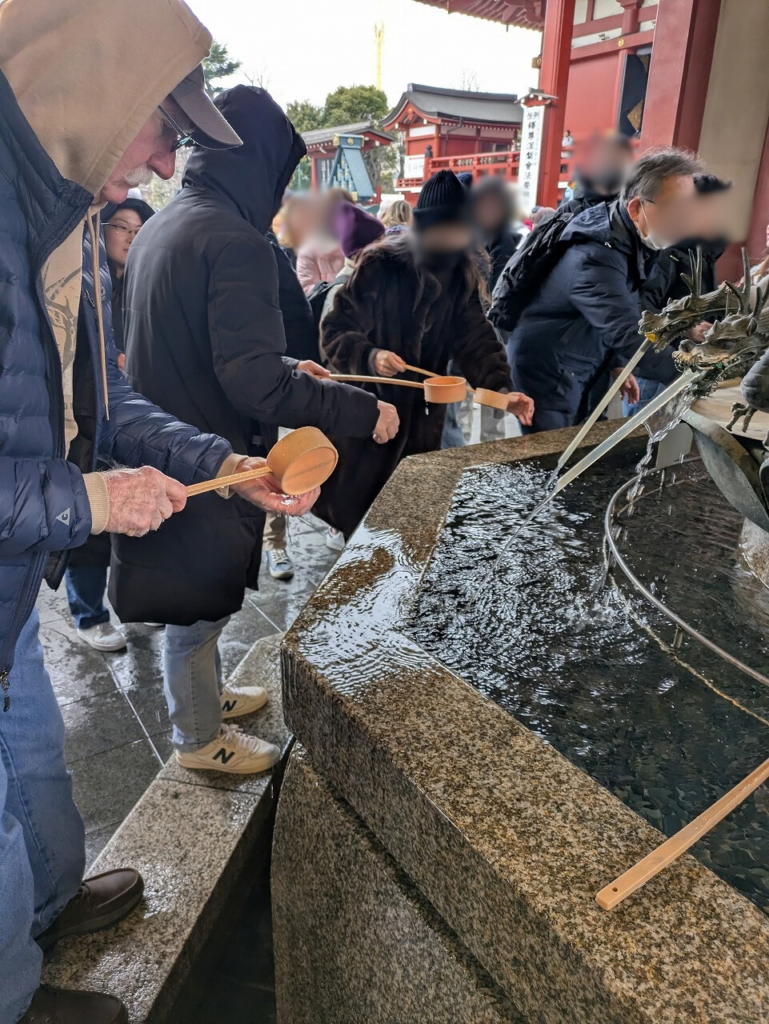
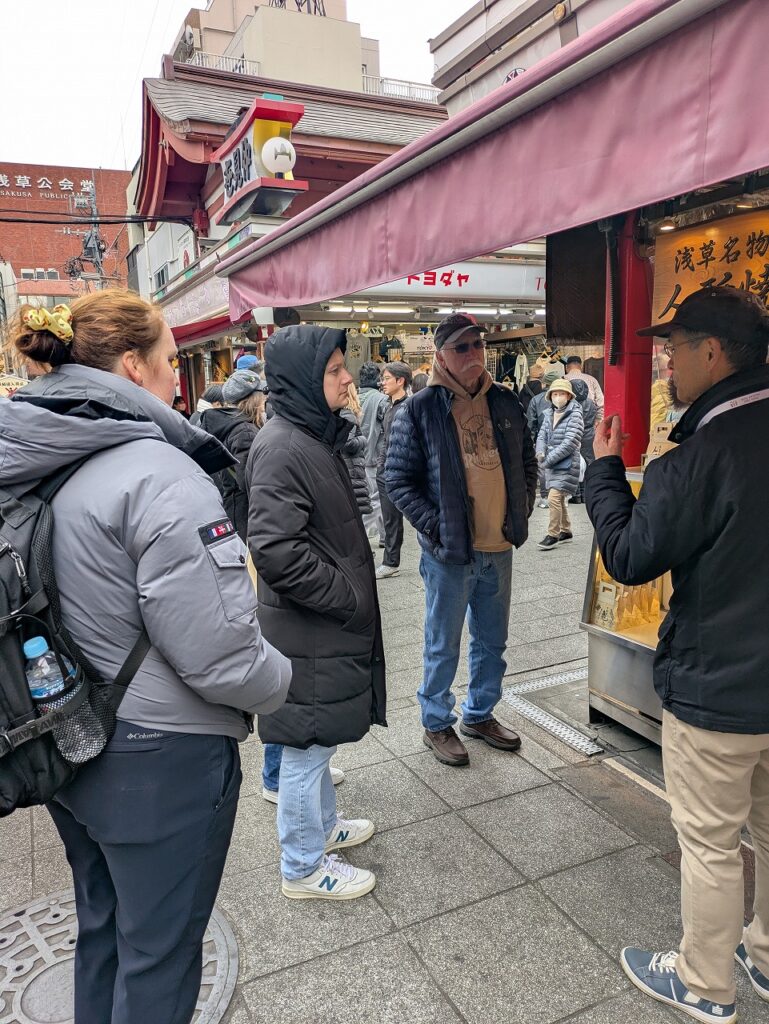
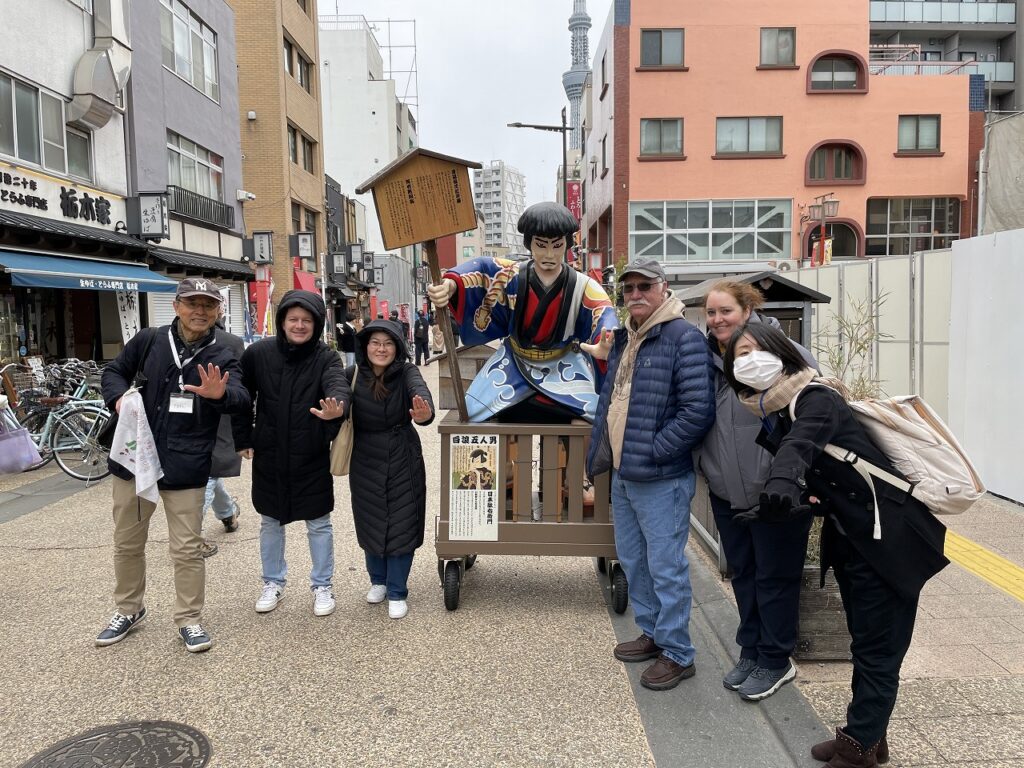
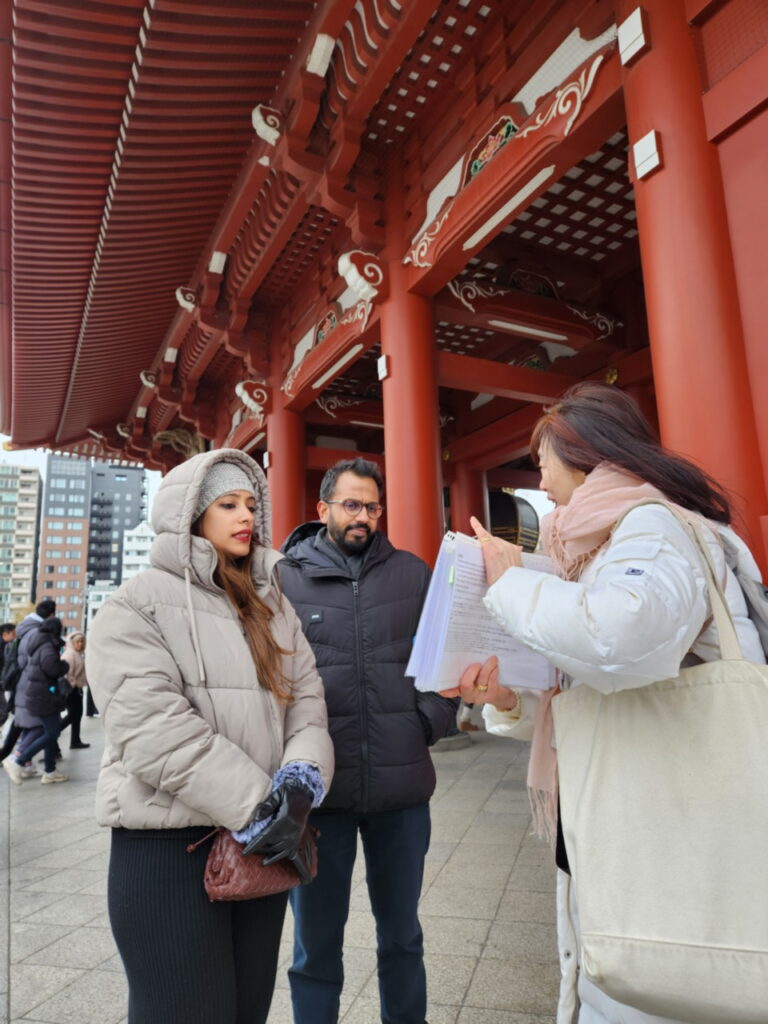
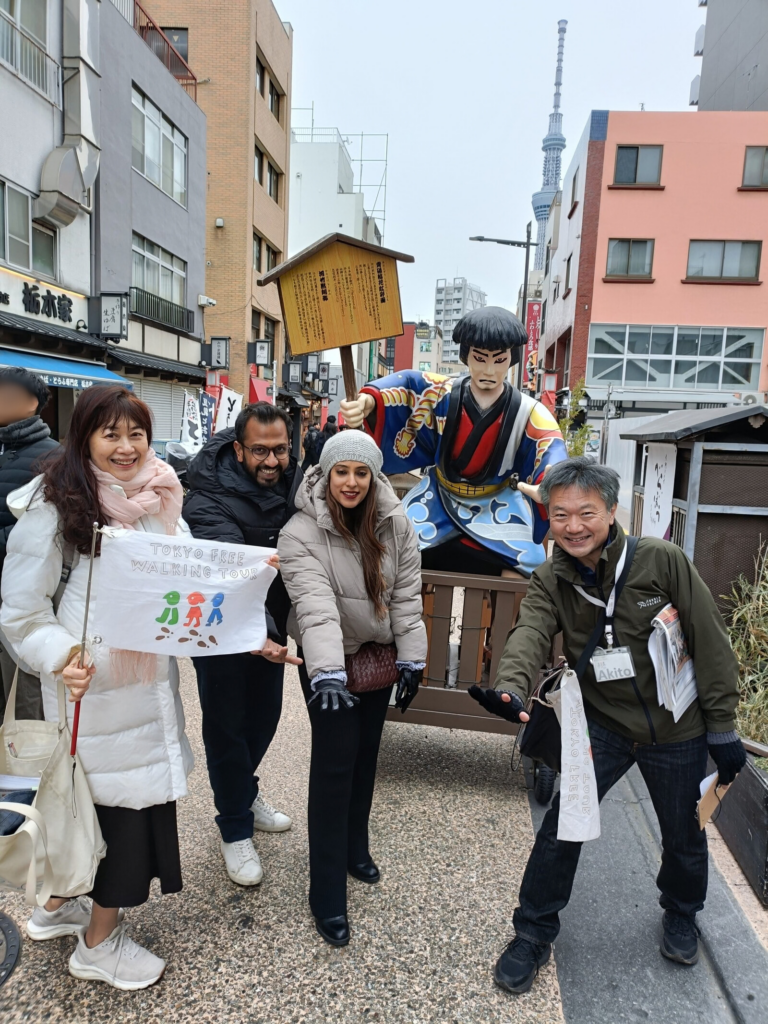
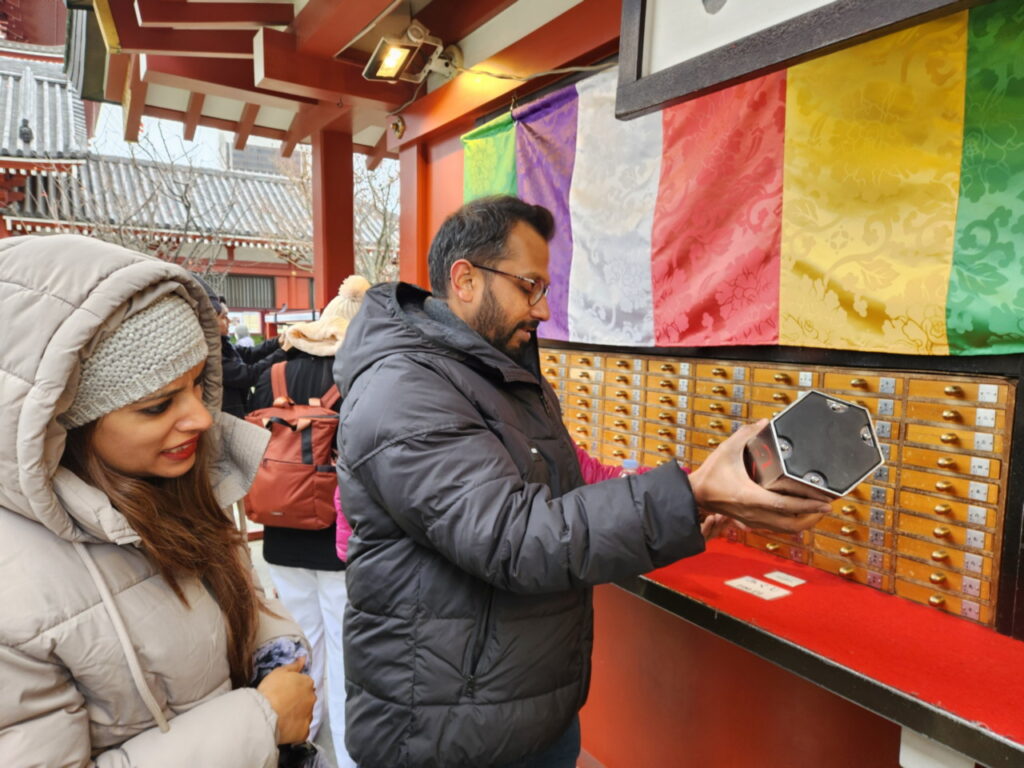
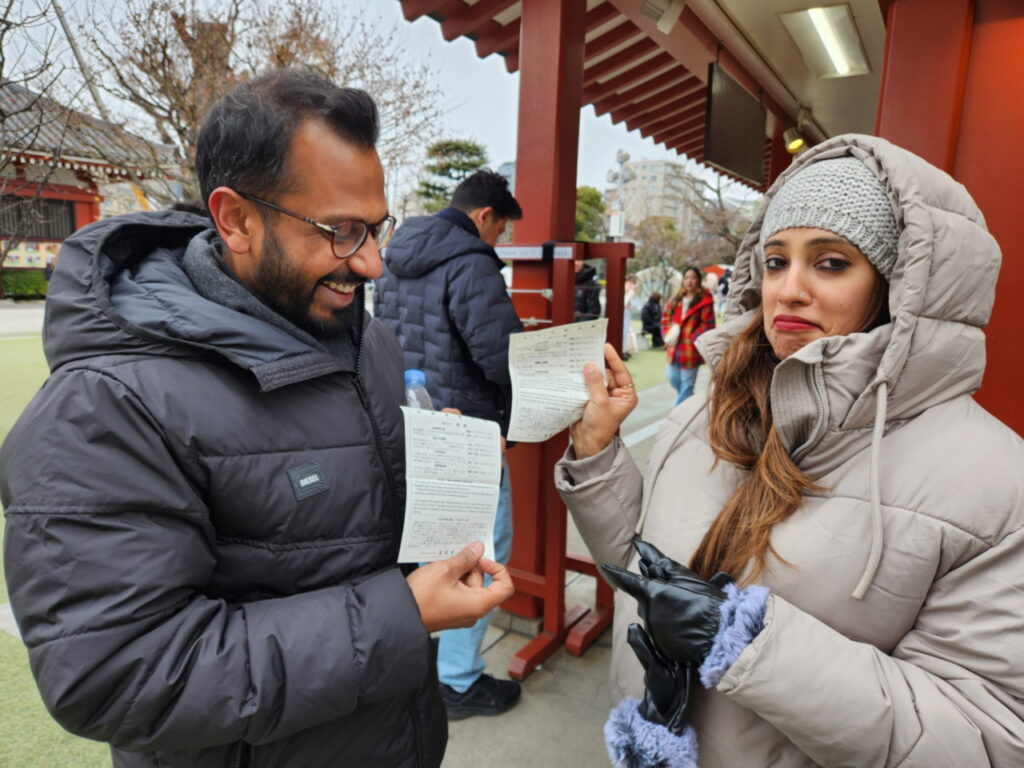
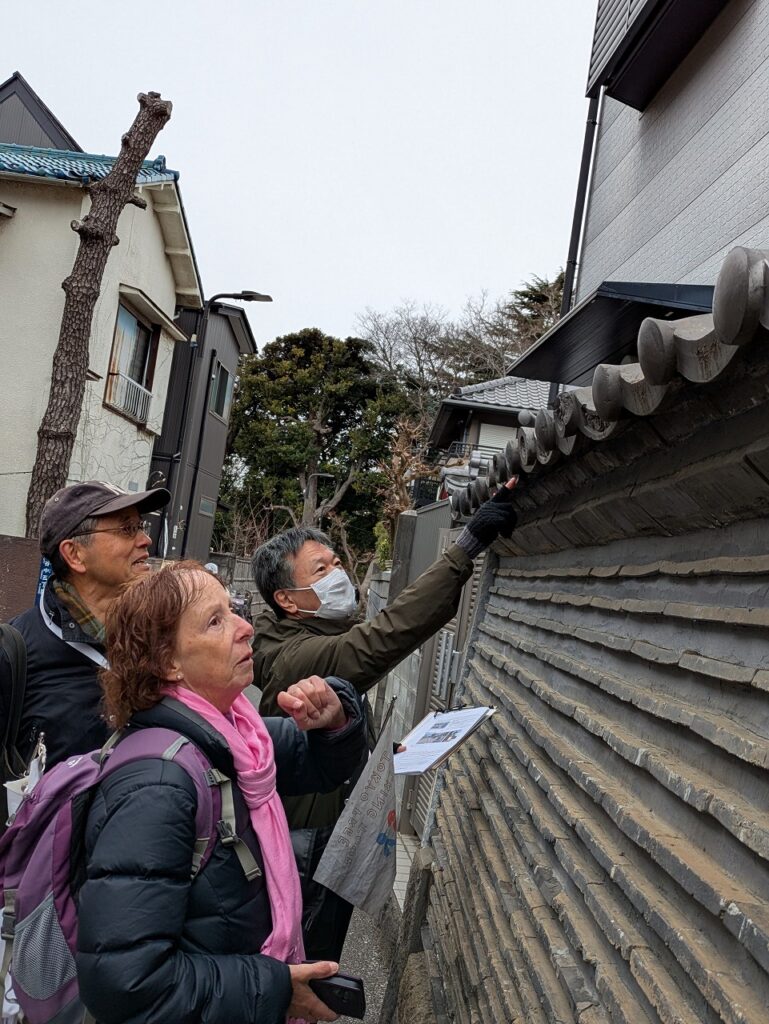
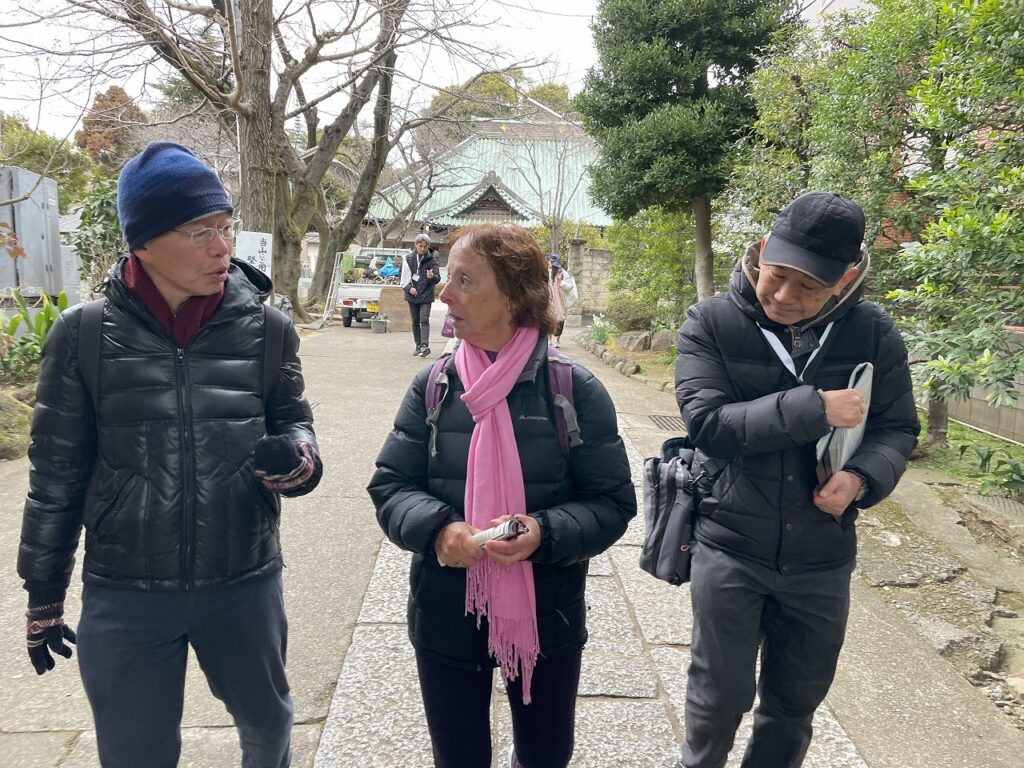
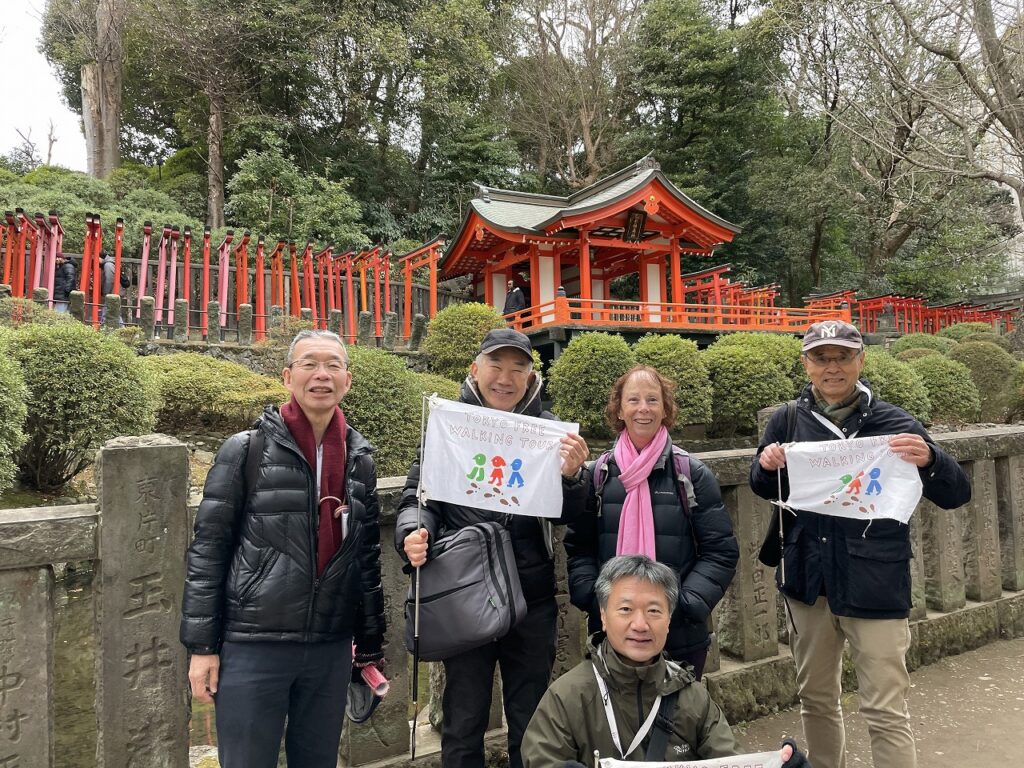
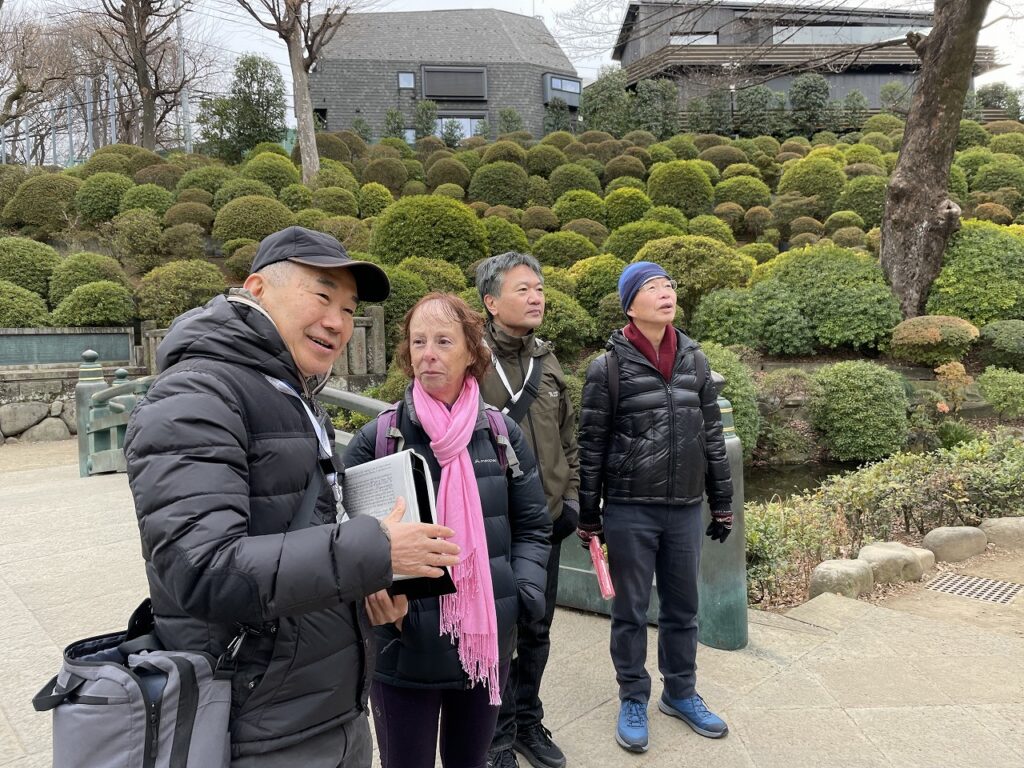
Your participation in our tours in Asakusa and Yanaka & Nezu tours on February 7 are greatly appreciated. 13 guests were welcomed from USA, Germany, India, Austria and New Zealand. Despite the severe cold wave bringing bitterly cold weather all day, our guests enjoyed the tour while taking precautions against the cold. We’ve posted group photos and snapshots so that you can look back on the fun times we had.
Asakusa Tour Photos
A-group
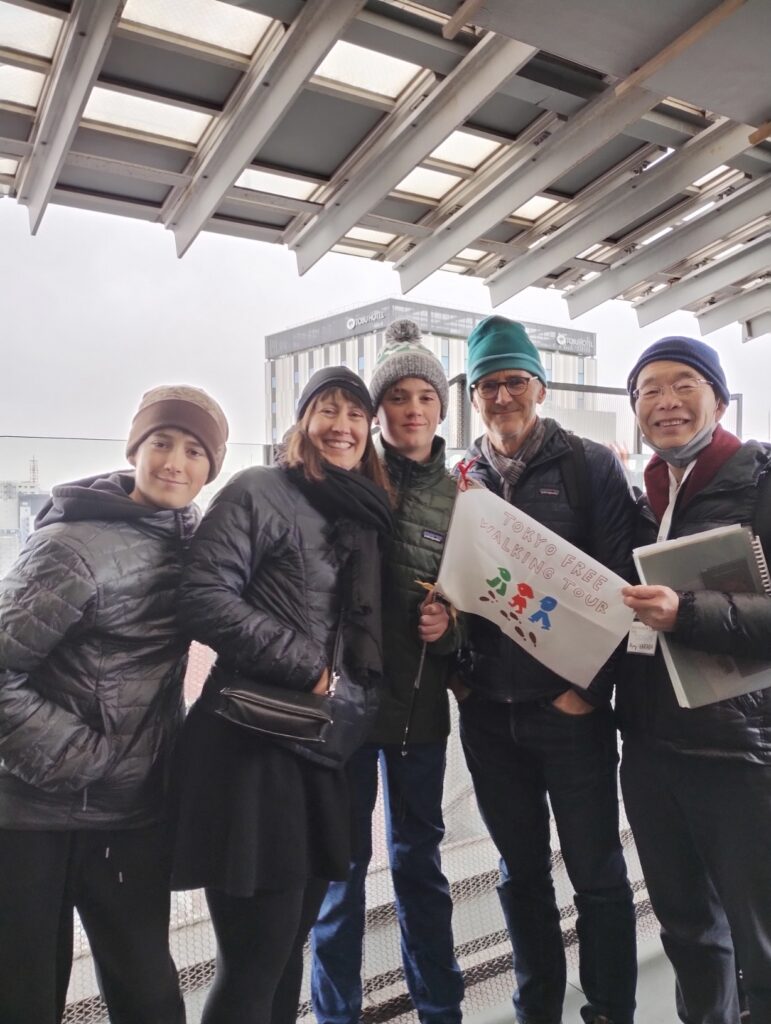
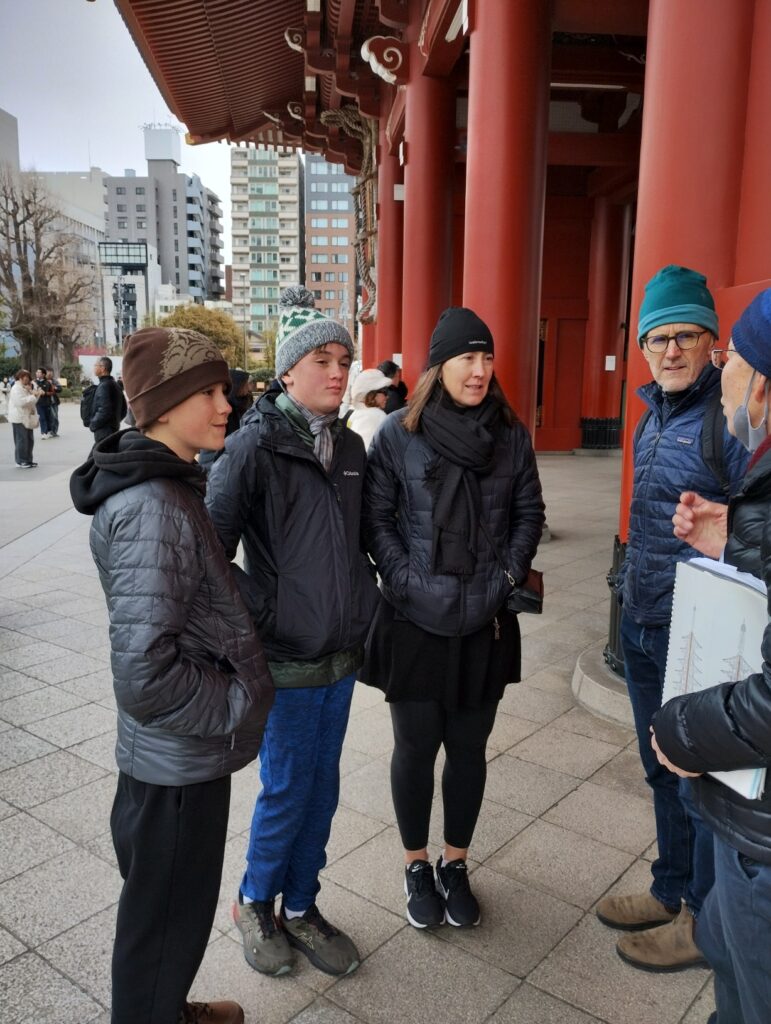
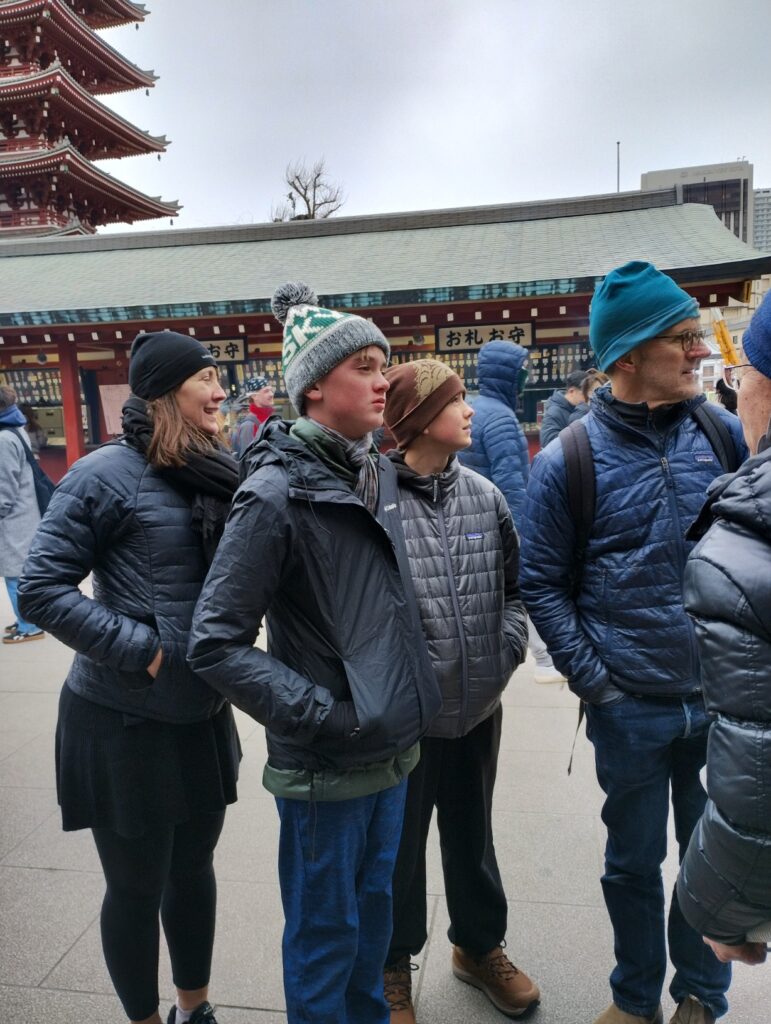
B-group
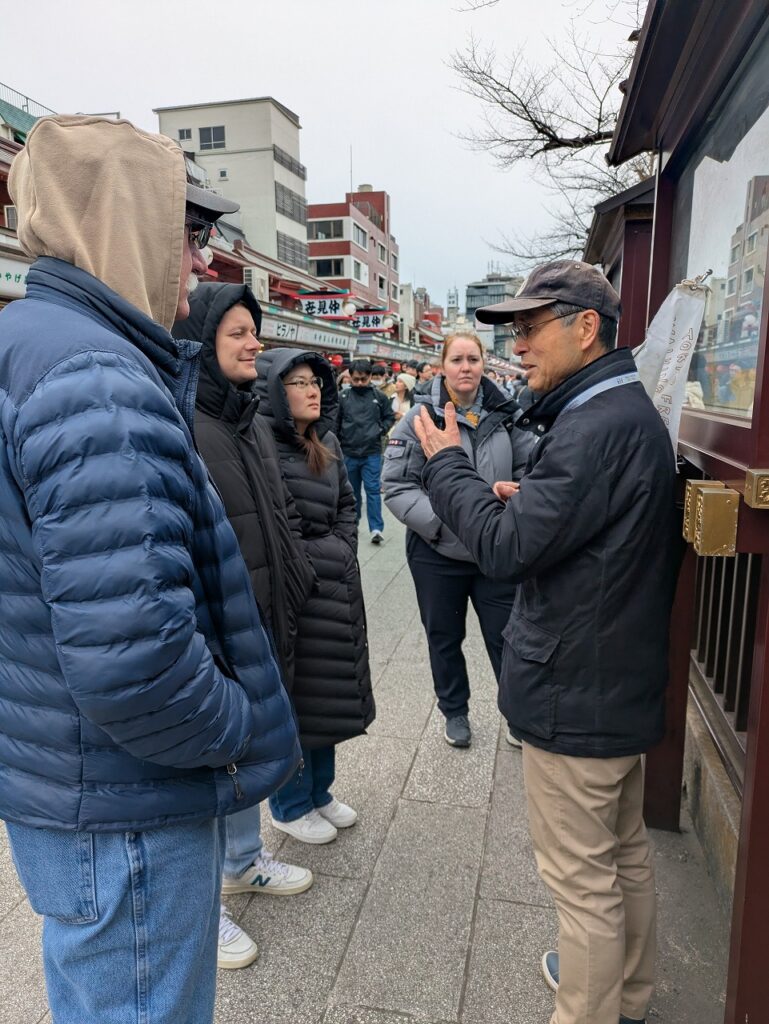
C-group
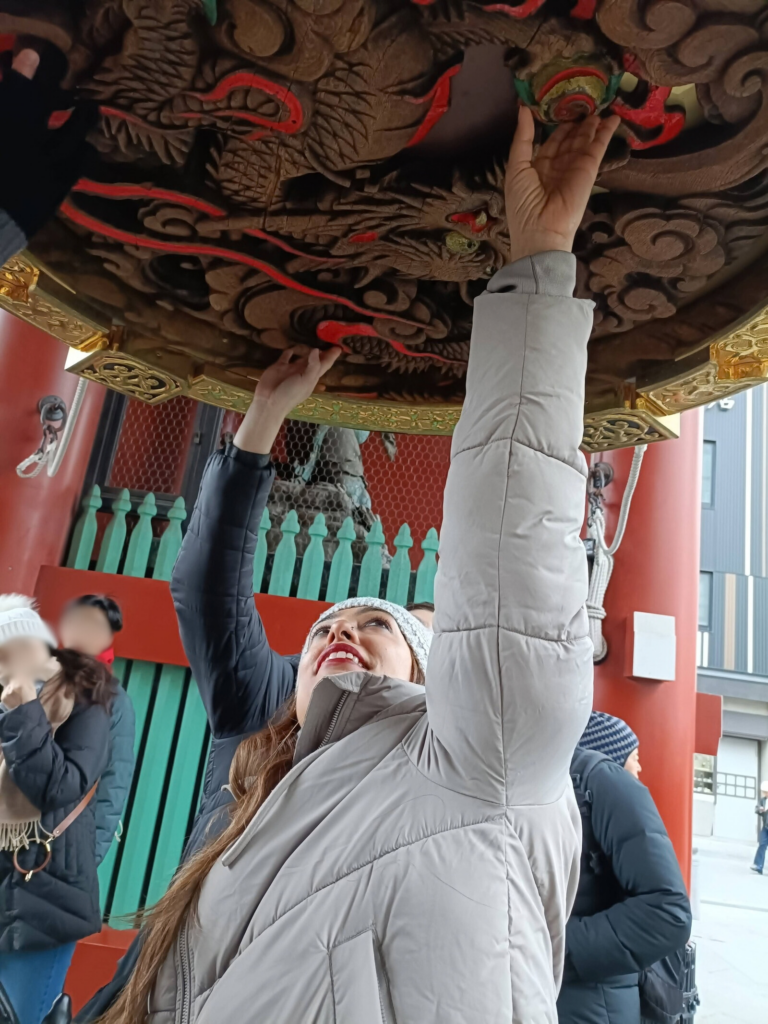
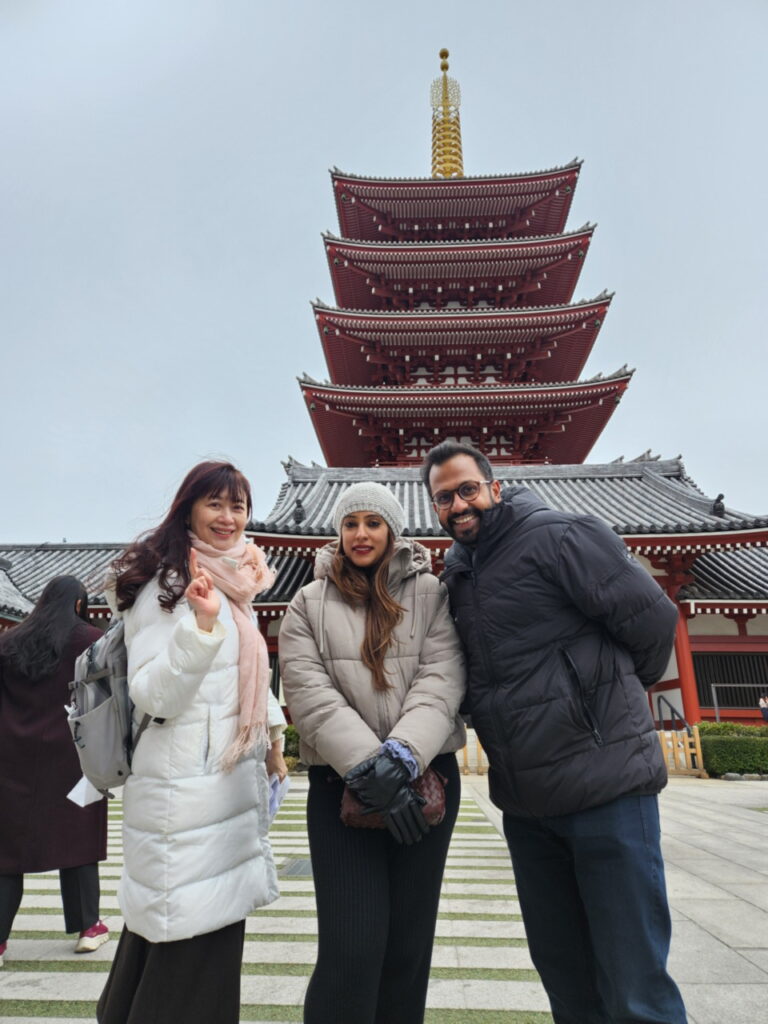
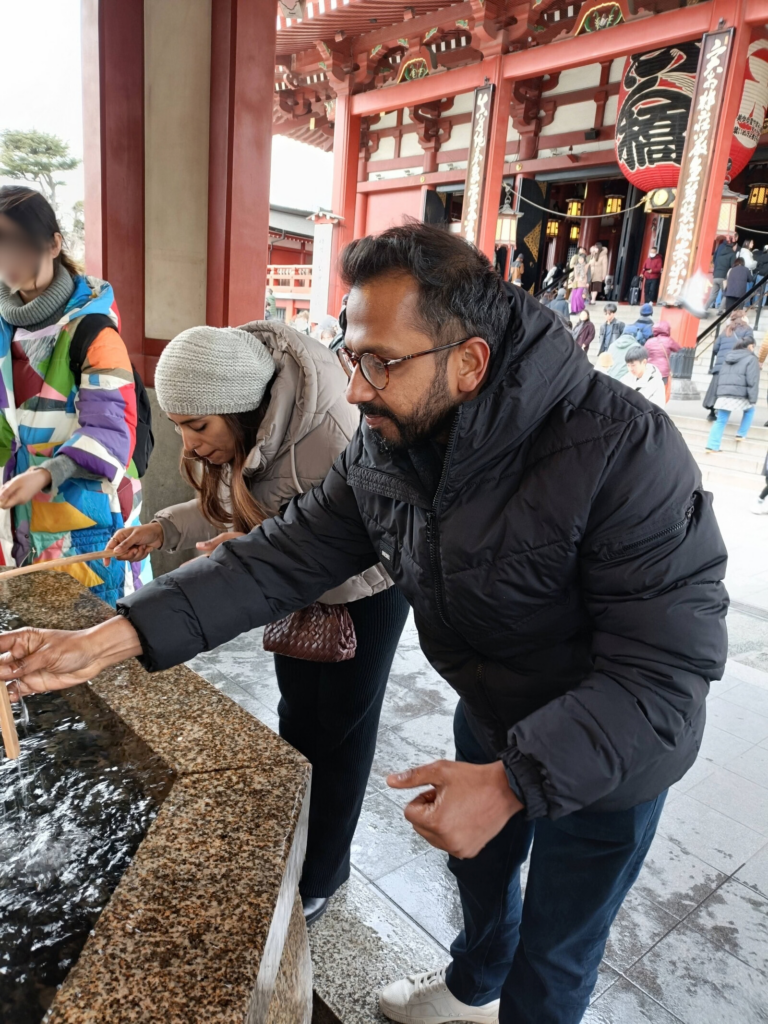
Yanaka & Nezu Tour Photos
A-group
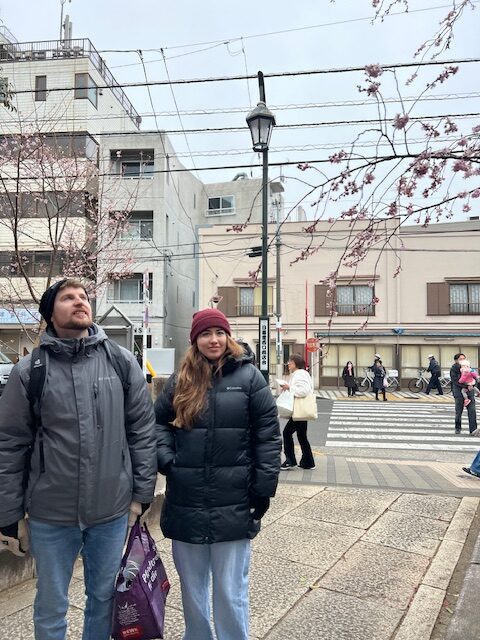
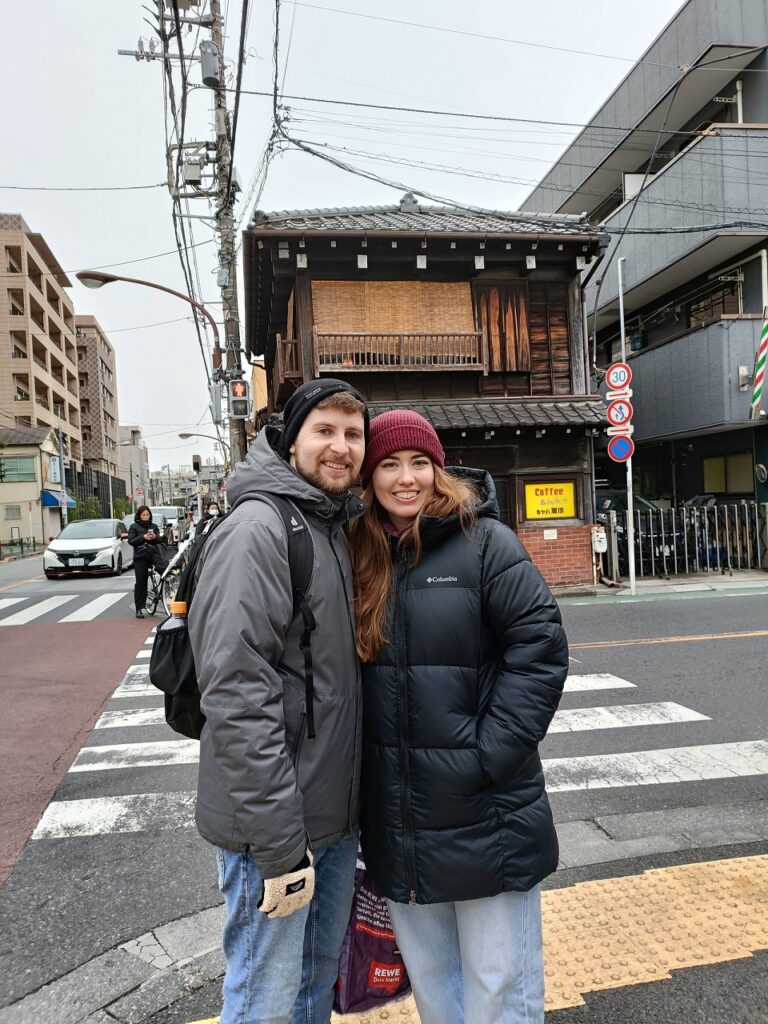
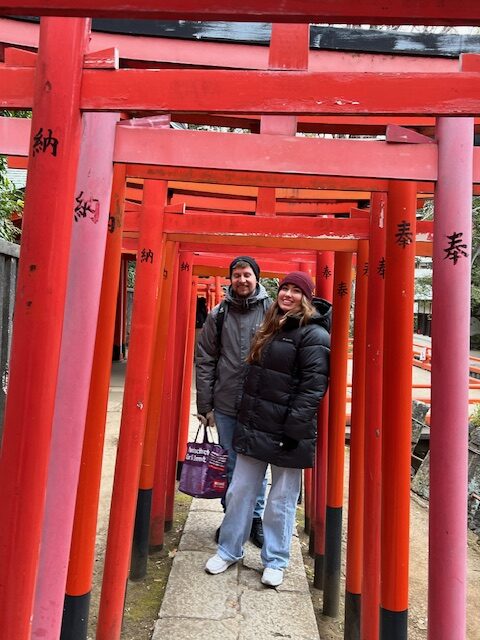
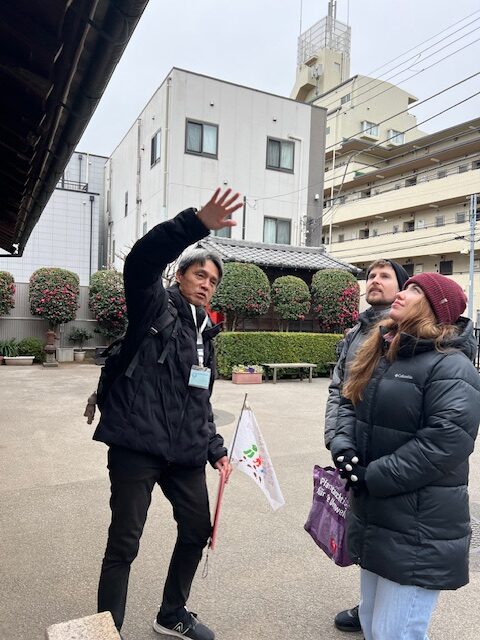
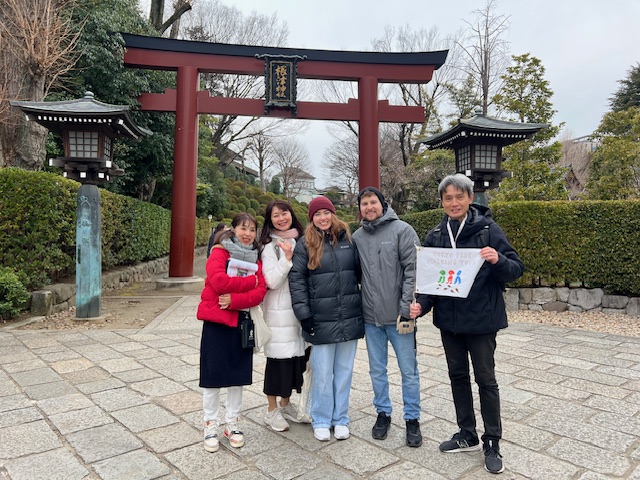
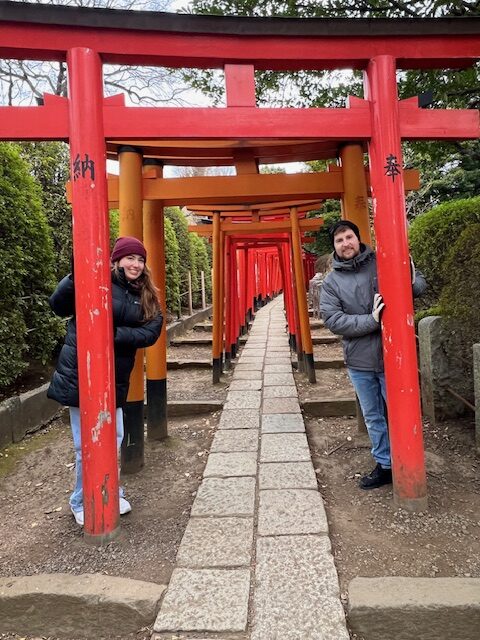
B-group
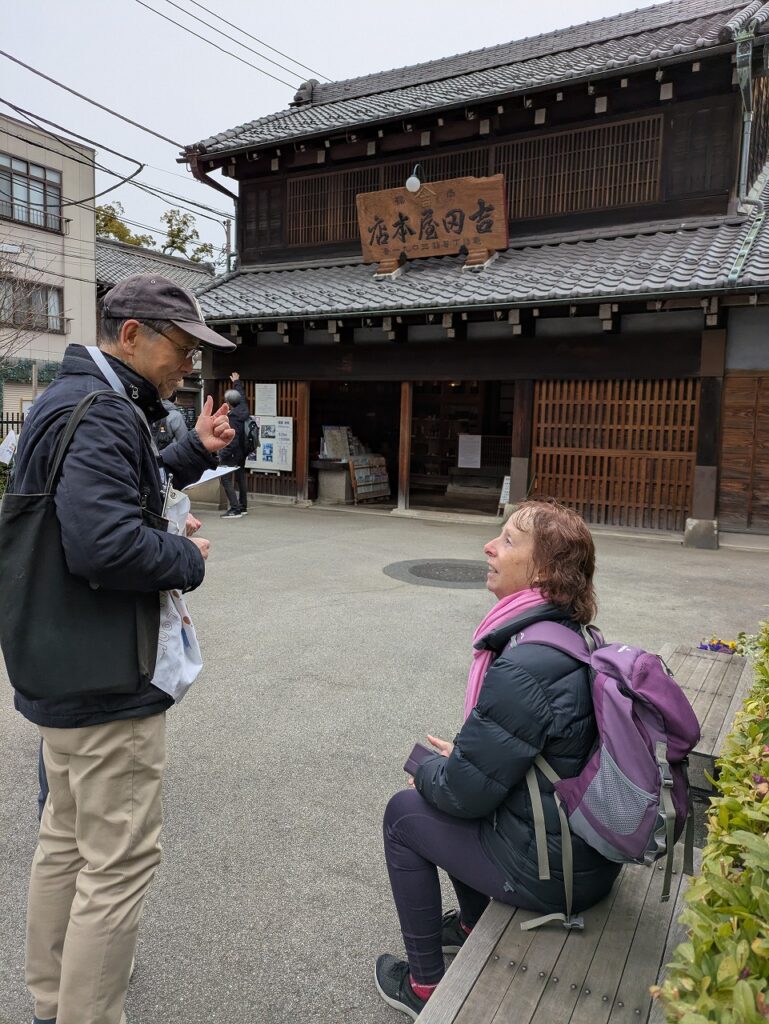
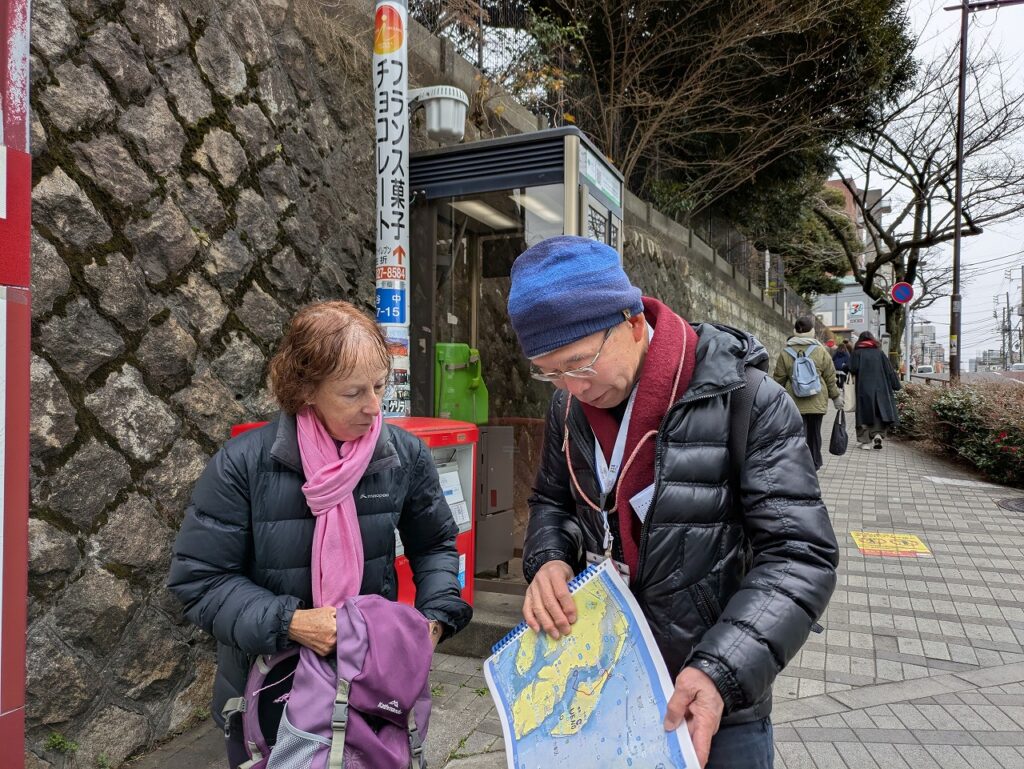
On February 7th, soft snow began falling in the afternoon, making it a very cold day in Tokyo. Since snow rarely falls in Tokyo, seeing Asakusa and Nippori covered in gentle snow felt like a special and memorable experience.
Although the cold was sharp, it brought some unexpected good moments. One of them was visiting Kameju, a very popular Japanese sweets shop in Asakusa that usually has a long line. Thanks to the snowy weather, I was able to enter more easily and buy some souvenirs.
Trying Famous Japanese Sweets at Kameju
Since it was a perfect opportunity, I decided to try several of Kameju’s signature sweets:
- Dorayaki (white bean paste and red bean paste)
- Matsukaze
- Monaka
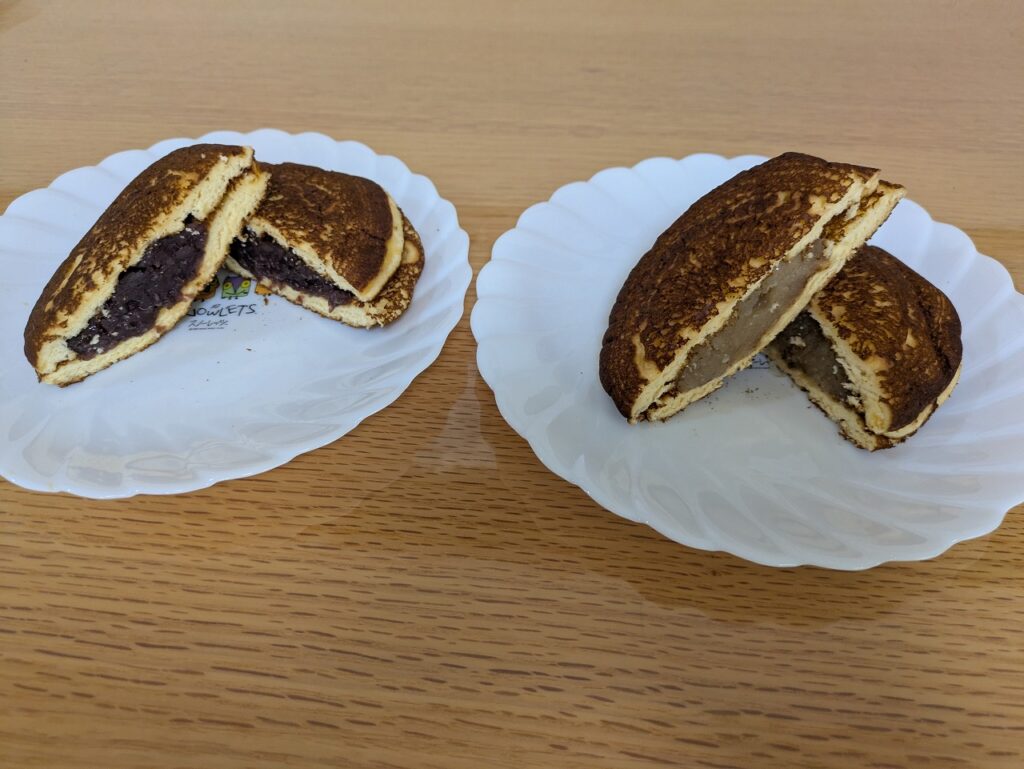
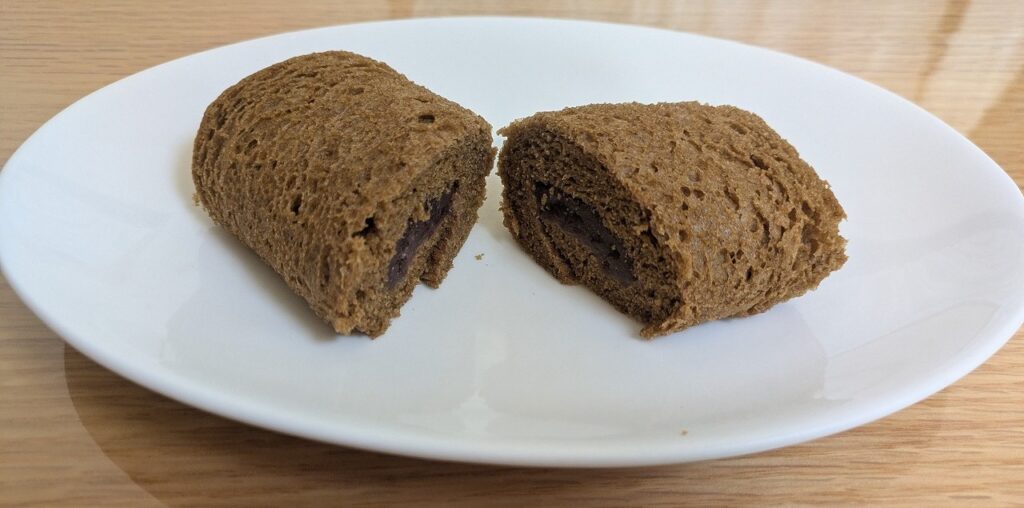
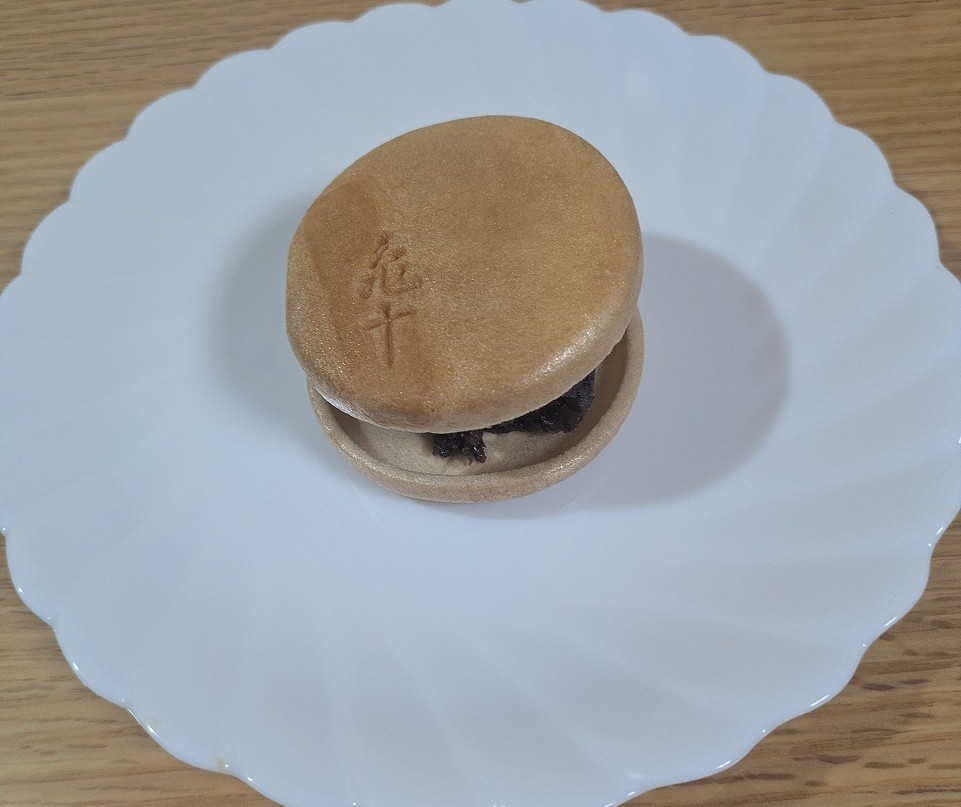
Kameju’s dorayaki is especially famous. The dough is soft and fluffy, almost like sponge cake, with a pleasantly chewy texture.
Both fillings were delicious, but if I had to choose, I would highly recommend the classic dorayaki with red bean paste. It is a must-try when visiting Asakusa.
Matsukaze has a fluffy brown sugar-flavored dough that pairs beautifully with the sweet bean filling. Enjoying it with a cup of tea made for a very relaxing moment.
The monaka was also excellent, with its thin, crispy, and fragrant wafer shell providing a lovely contrast to the smooth filling inside.
Discovering the Depth of Japanese Sweetness
Japanese sweets, known as wagashi, are usually centered around sweet bean paste and wrapped in different types of dough or shells.
What I find fascinating is how each outer layer can either enhance or gently balance the sweetness of the bean paste, creating a completely different taste experience each time.
Exploring Wagashi in Asakusa and Yanaka
There are many other traditional Japanese sweets to discover along Nakamise Street at Sensoji Temple and in Yanaka Ginza Shopping Street.
On our Asakusa walking tours and Yanaka–Nezu area tours, we focus on introducing the history and culture of Tokyo, while also sharing local recommendations for traditional sweets and shops that you can enjoy after the tour at your own pace.
Tokyo’s streets change their atmosphere with the seasons and even the weather.
On a winter day in Asakusa, you might be lucky enough to experience a rare snowy view—and warm your heart with sweet Japanese wagashi at the same time.
Your feedback is important and helpful to us. If you enjoyed our tour, please consider posting a review on our TripAdvisor/Facebook etc. Your comments will help contribute to higher-quality tours. Once again, thank you for choosing Tokyo Free Walking Tour
during your precious time in Tokyo. In case you happen to be back in Tokyo, please join another one of our tours.
If you want more info about our tour, check out our Website/ Facebook/ Instagram pages, or “Tokyo Free Walking Tour” on TripAdvisor.
(Posted by Miki)